
 EU
EU Australia
 United Kingdom
 United States
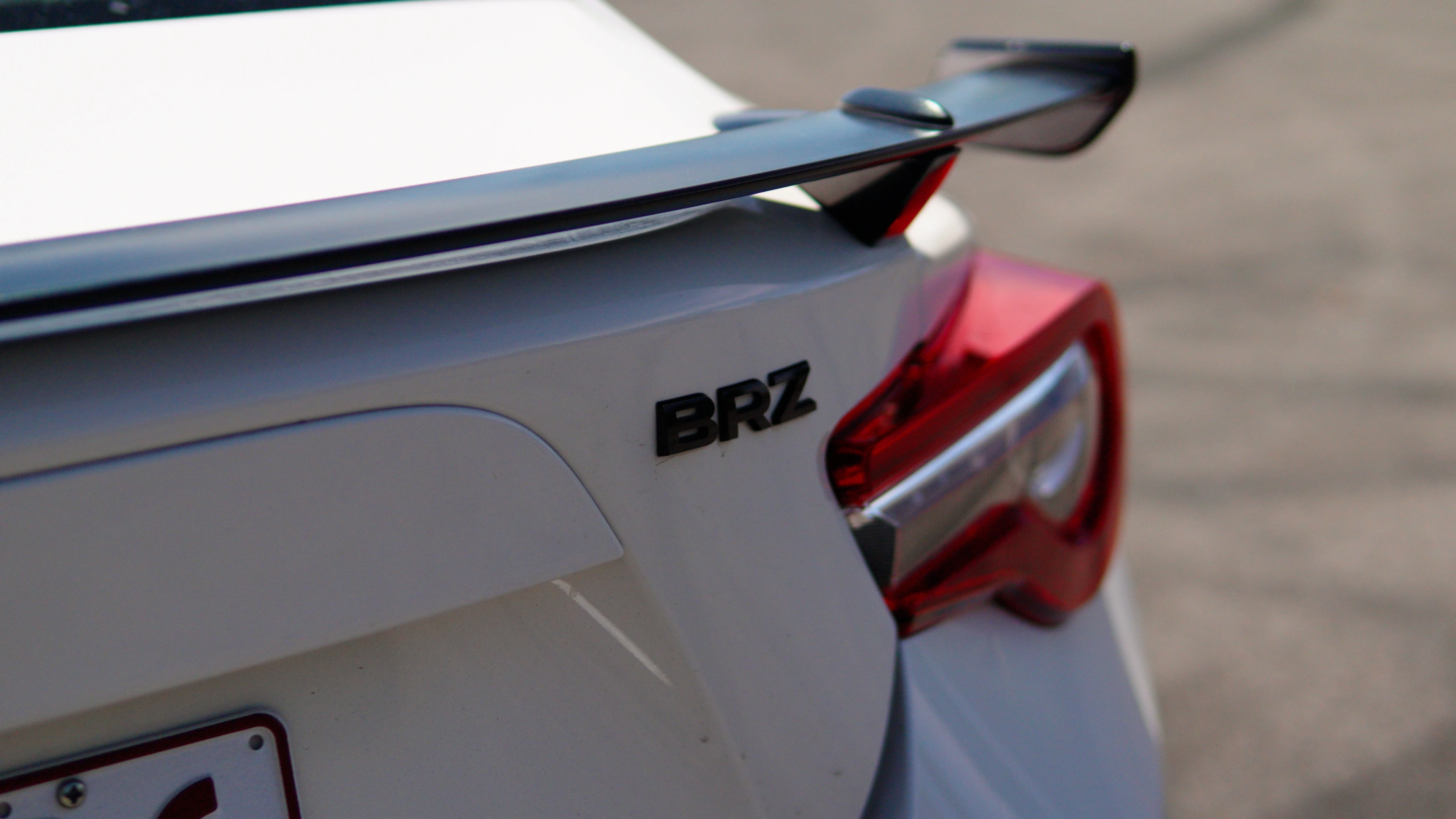

- Whiteline put a mostly stock Gen 1 BRZ up against a near-new Gen 2 BRZ to establish a true pre-build baseline before any upgrades begin.
- Josh and Lucas set close laps in the Gen 1, with Lucas edging ahead (60.63s vs 60.99s).
- Dylan from Skid Control delivered the key reference laps, clocking a 56.5s in the Gen 1 and a 52.74s in the Gen 2.
- The controlled Gen 1 vs Gen 2 gap was 3.76 seconds, showing the Gen 2 is decisively quicker in stock form.
- The baseline now sets the benchmark for the build series, with the next episode aiming to claw back time through suspension refinement and chassis control.
The Subaru BRZ has always been celebrated for balance rather than brute force. It is lightweight, rear-wheel drive and deliberately analogue in a way that modern performance cars rarely are. Drivers talk about its steering feel, its feedback through the chassis and the way it encourages precision rather than masking mistakes. But when the stopwatch comes out, sentiment disappears and numbers take over.
With the Gen 2 BRZ now sitting close to $50K AUD in Australia and clean Gen 1 examples available for roughly $20K AUD, the conversation becomes less about nostalgia and more about measurable performance. Is the newer platform genuinely faster in a way that justifies the price gap, or is there enough potential in a Gen 1 to close that difference through intelligent development?
Before changing suspension components, altering alignment settings or upgrading tyres, there is only one way to answer that question properly. Establish a clean, controlled baseline. Same circuit, same layout, consistent conditions and, most importantly, the same professional driver for direct comparison.
The Test Cars
Two generations of the same philosophy were brought together on a closed circuit featuring sweeping corners and short straights that reward stability under load and expose weaknesses in balance. One car represents the accessible enthusiast entry point, complete with the compromises that come with second-hand ownership. The other reflects Subaru’s latest refinement of the formula.
Whiteline BRZ Gen 1
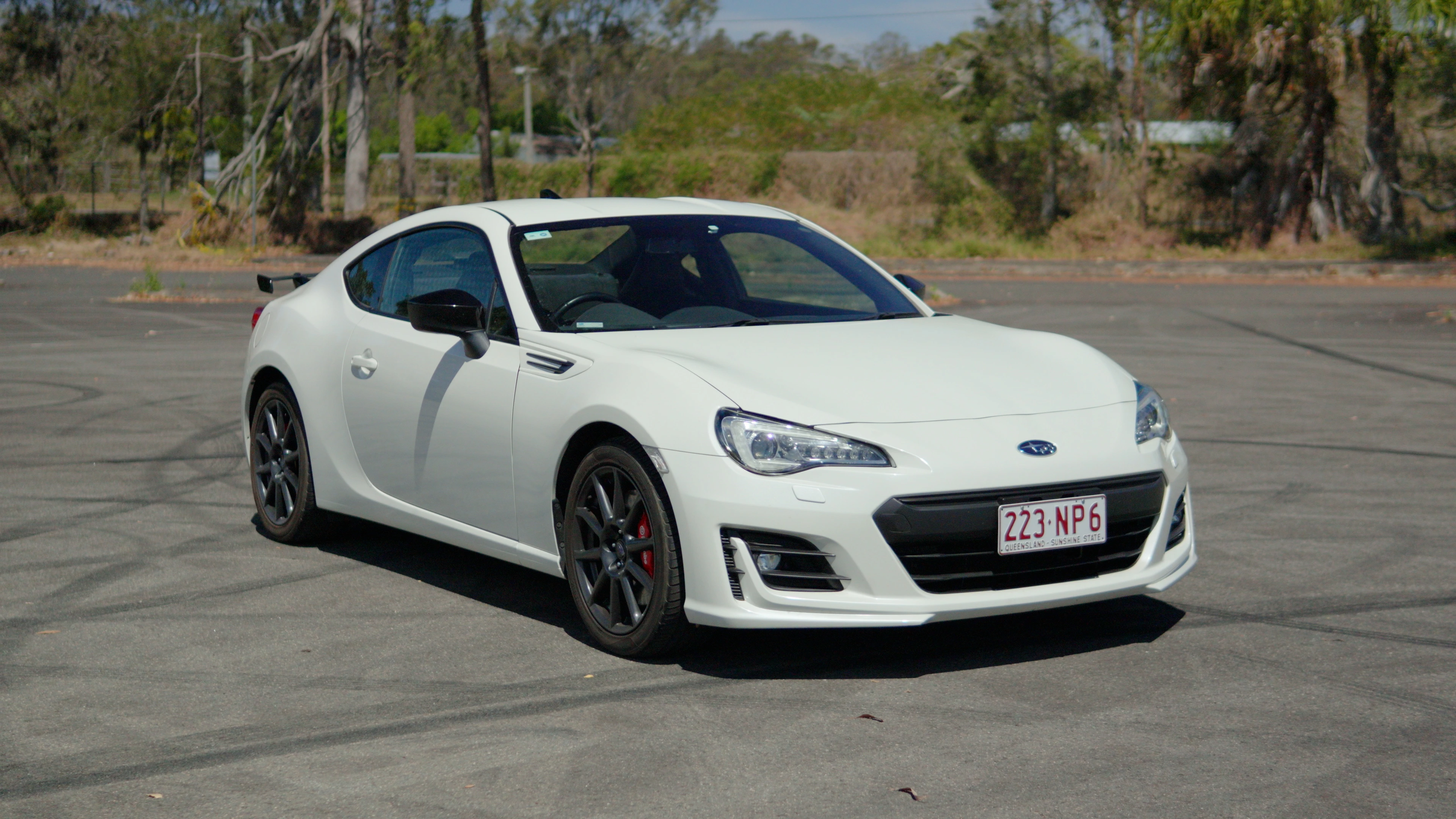
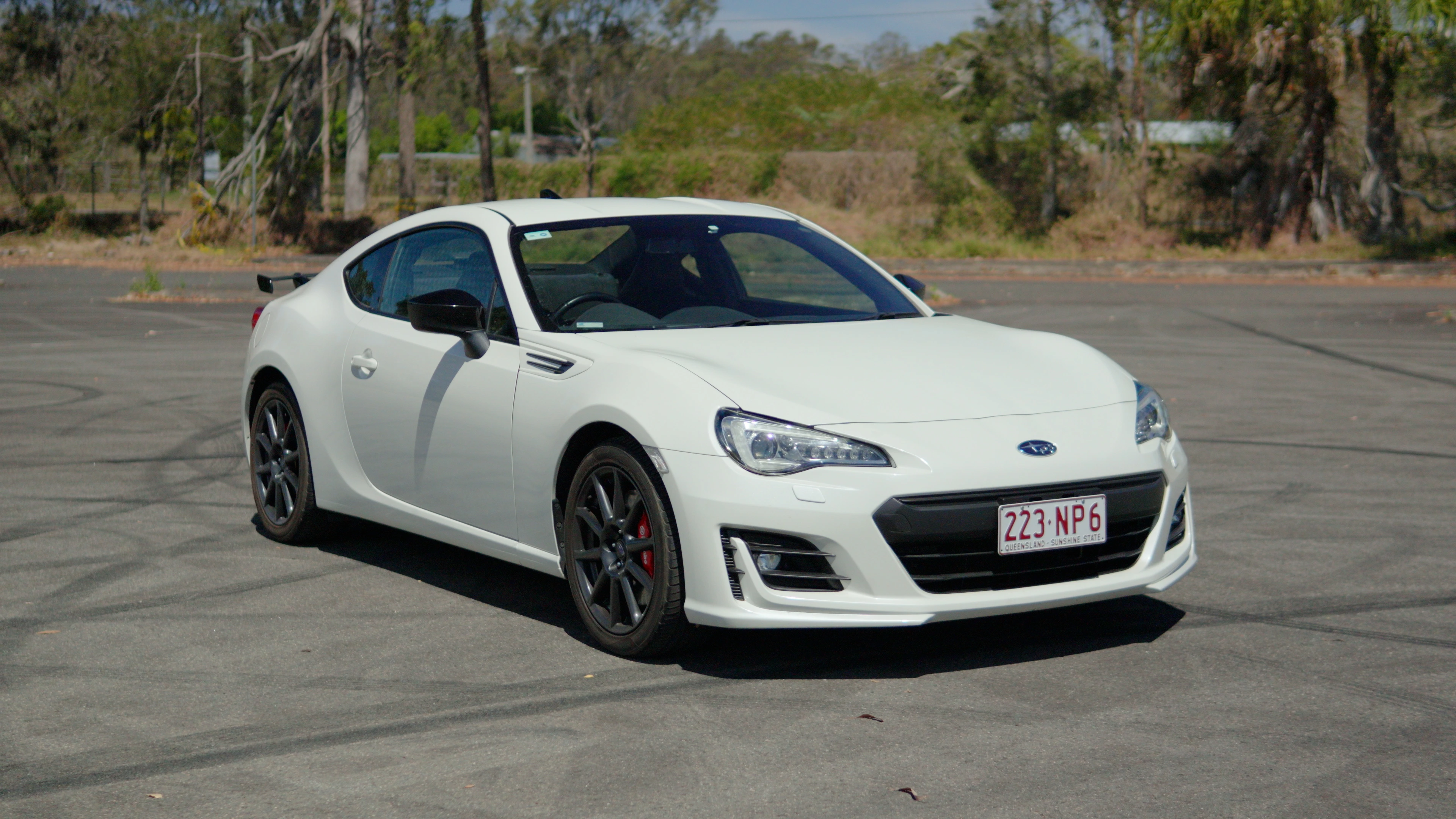
The Gen 1 BRZ used in testing was purchased for $20K AUD and remained largely stock. It was fitted with Brembo brakes, an Nvidia titanium exhaust and a six-speed manual gearbox, but beyond those additions it reflected a realistic ownership scenario.
The tyres were a budget “Sport Trax” brand, and a faint clicking noise from the rear served as a reminder that this was not a showroom-perfect car prepared specifically for track work.
That context matters because it mirrors the starting point for many owners researching the Best BRZ upgrades.
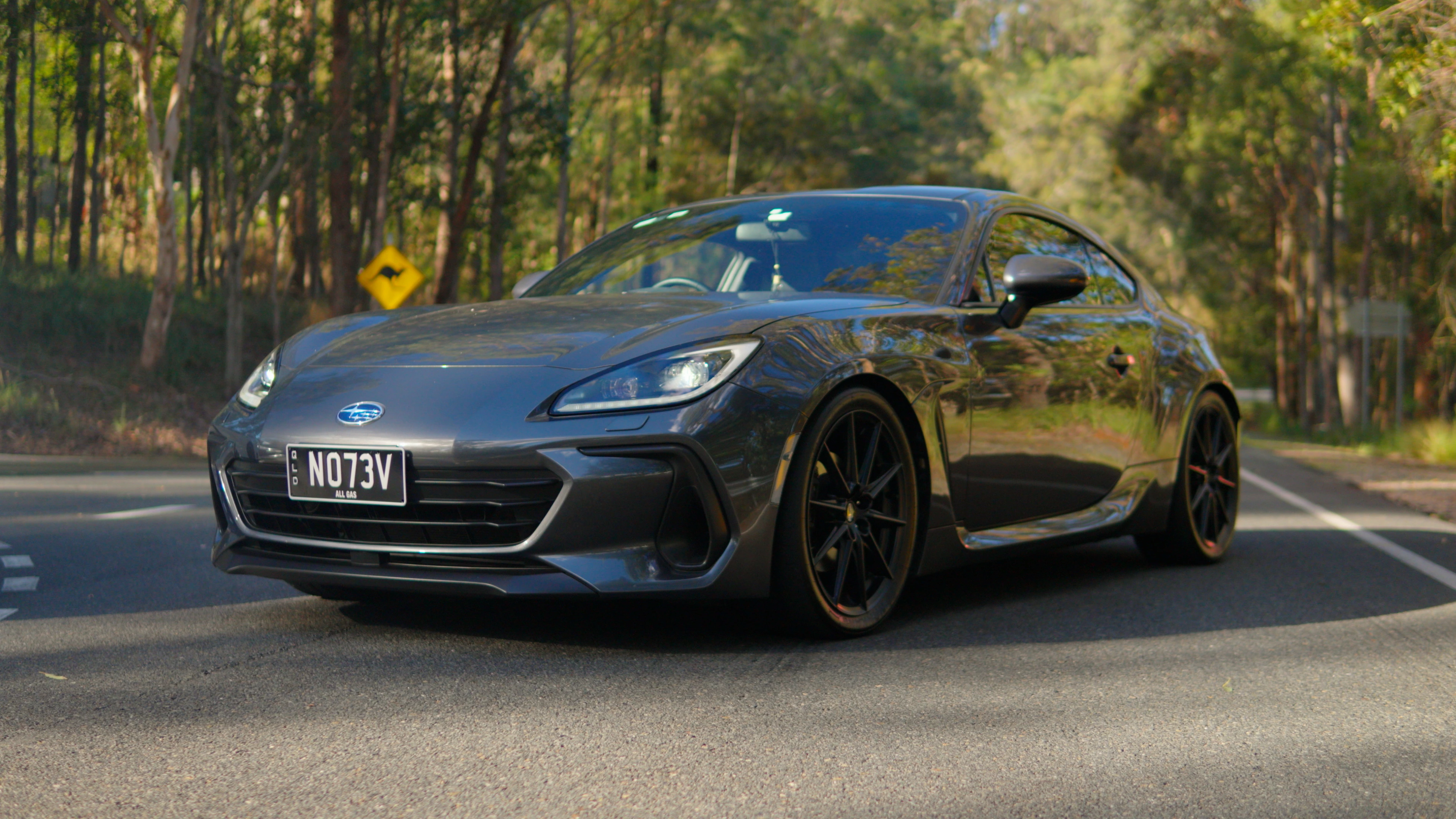
Skid Control BRZ Gen 2
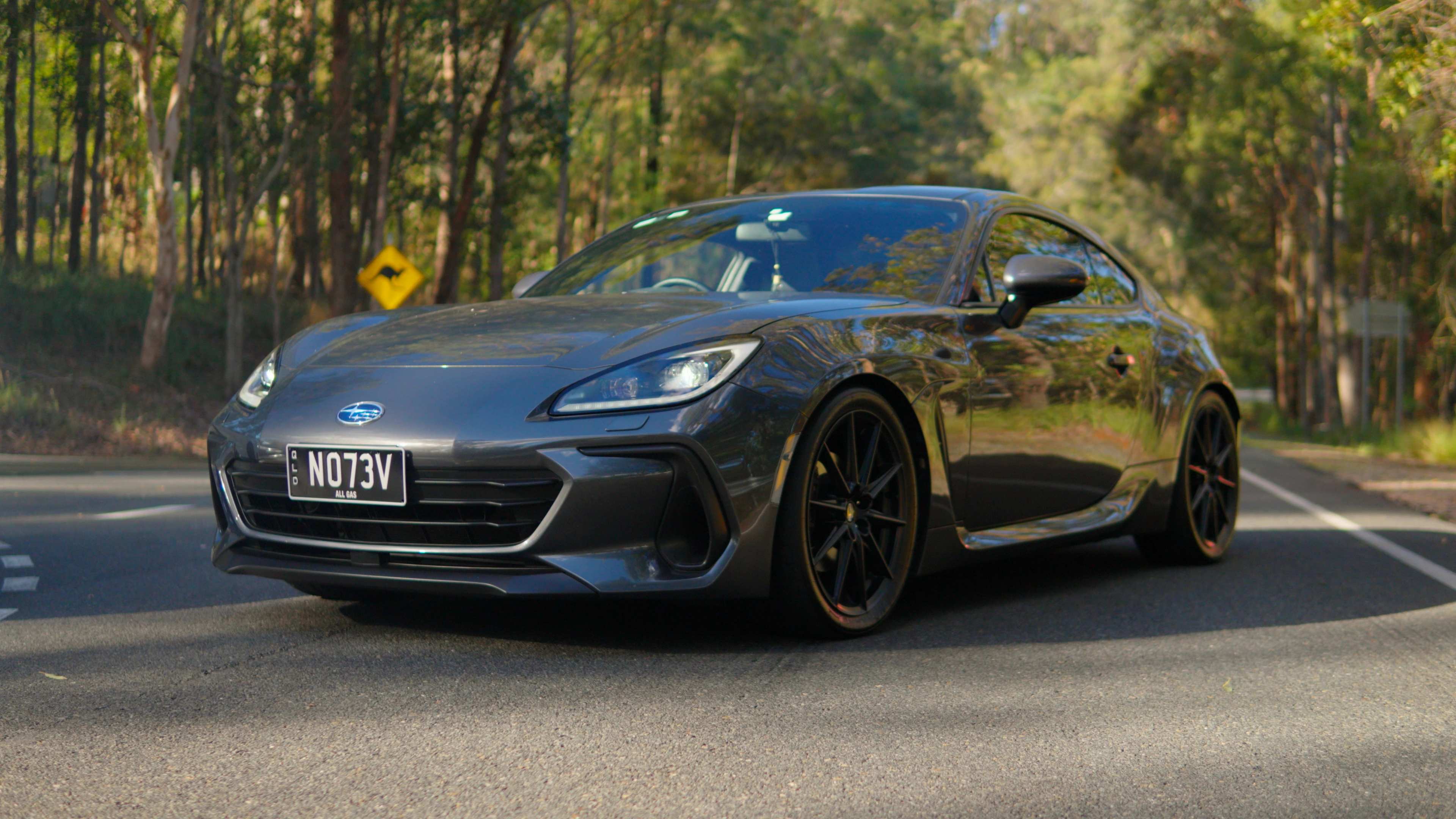
Opposing it was a near-new Gen 2 BRZ retailing around $50K AUD. With improvements in chassis rigidity, slightly increased power and broader refinement, it represents the factory’s natural evolution of the platform. On paper, it should be quicker, more composed and more stable under sustained load.
The real question was not whether it felt newer. It was how much time it could take out of the older car.
Amateur Baseline: Establishing Real-World Pace
Before handing the cars to a professional driver, Josh and Lucas set competitive laps in the Gen 1 to determine a realistic enthusiast benchmark. Josh recorded a 60.99-second lap, while Lucas edged slightly ahead with a 60.63-second run. The narrow 0.36-second gap between them confirmed that the conditions were consistent and that the car delivered predictable, repeatable performance.
At this pace, the BRZ felt playful and engaging, but tyre grip limitations became evident as cornering loads increased. Rapid transitions highlighted manageable yet noticeable vehicle sway, and while the chassis remained communicative, there was clear room for refinement in mid-corner stability and exit traction.
These laps represent what many drivers might achieve in stock form, which makes them a valuable reference point.
Professional Benchmark: Pushed to the Limit
To remove driver variability and extract the car’s full potential, Dylan from Skid Control stepped in to set controlled reference laps. In the same Gen 1 BRZ, under identical conditions, he recorded a 56.5-second lap.
That result reframes the conversation entirely. More than four seconds were found purely through professional-level precision, braking control and throttle management. The chassis clearly has latent capability, but it also highlights how much of that performance depends on stability and composure at the limit.
Gen 1 vs Gen 2: Quantifying the Performance Gap
With the same professional driver behind the wheel, the Gen 2 BRZ delivered a 52.74-second lap on the same circuit. The difference between the two cars, controlled for driver input, was 3.76 seconds.
On a compact technical layout, that is not a marginal advantage. It is a decisive one. Although it was noted that tyre differences may account for roughly a second of that time, the remaining gap still represents a significant chassis advantage for the newer platform.
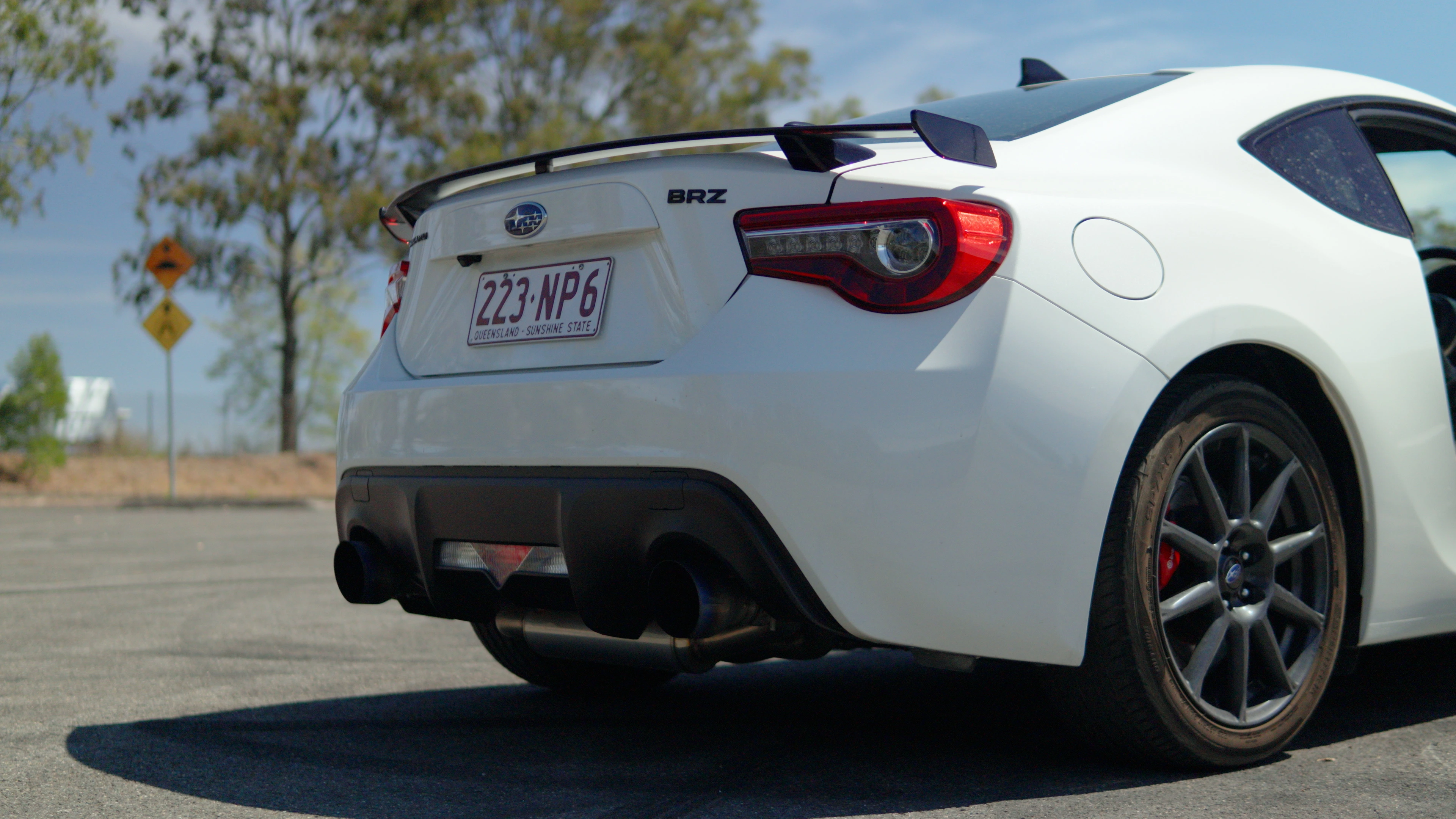
Dylan also drove his heavily modified, E85-powered track GR86 and recorded a 50.56-second lap, illustrating the broader performance ceiling available when the platform is extensively developed.
Where the Gen 1 Loses Time
A nearly four-second deficit does not originate from a single flaw. Instead, it is typically the result of cumulative inefficiencies that compound across an entire lap. Tyre grip plays a role, but so does weight transfer control. Vehicle sway, while not excessive, becomes more pronounced during rapid direction changes, and subtle instability mid-corner limits how early throttle can be confidently applied.
Front-end response remains predictable but can benefit from sharper initial bite, while rear-end stability under load influences exit speed in ways that directly affect lap time.
These are precisely the areas addressed when drivers invest in Whiteline BRZ Suspension Upgrades, as geometry correction, bushing compliance control and anti-roll bar tuning directly influence how the car behaves under sustained lateral load. Improved composure does not just make the car feel better; it allows drivers to carry more speed with confidence, and that confidence consistently converts into measurable time reduction.
Why This Baseline Matters
Without a clear control figure, improvement claims remain abstract. The data now provides a structured target. Amateur Gen 1 laps sit in the low 60-second range. A professional driver extracted a 56.5-second lap from the same car. The Gen 2 reduced that figure to 52.74 seconds, establishing a 3.76-second performance gap that must be addressed.
That margin defines the development objective , closing nearly four seconds requires a systematic approach rather than isolated modifications. Chassis balance, reduced vehicle sway, improved cornering traction and more controlled weight transfer all play interconnected roles in reducing lap time variance.
With a measurable starting point established, the next phase becomes far more meaningful. When the Gen 1 returns to the same circuit, driven by the same professional under comparable conditions, any reduction in lap time will reflect genuine performance improvement rather than subjective feel.
Because on track, performance is not about perception. It is about precision, repeatability and the ability to turn engineering changes into seconds gained.


