
 AU
AU United Kingdom
 Europe
 United States
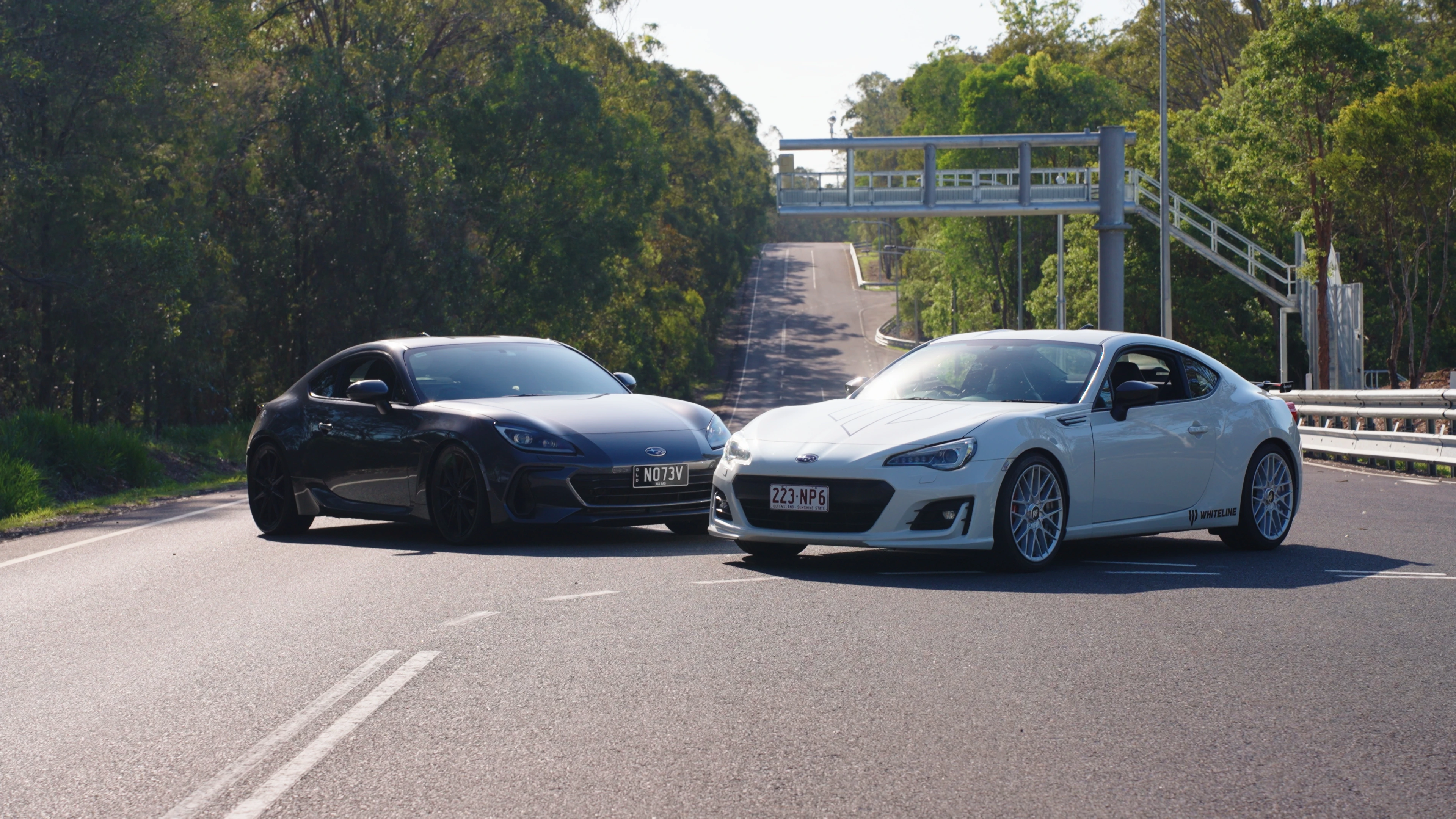

- Gen 1 BRZ returns to the track after full suspension overhaul
- Engine unchanged to isolate chassis gains
- Amateur pace moves into the mid-50s
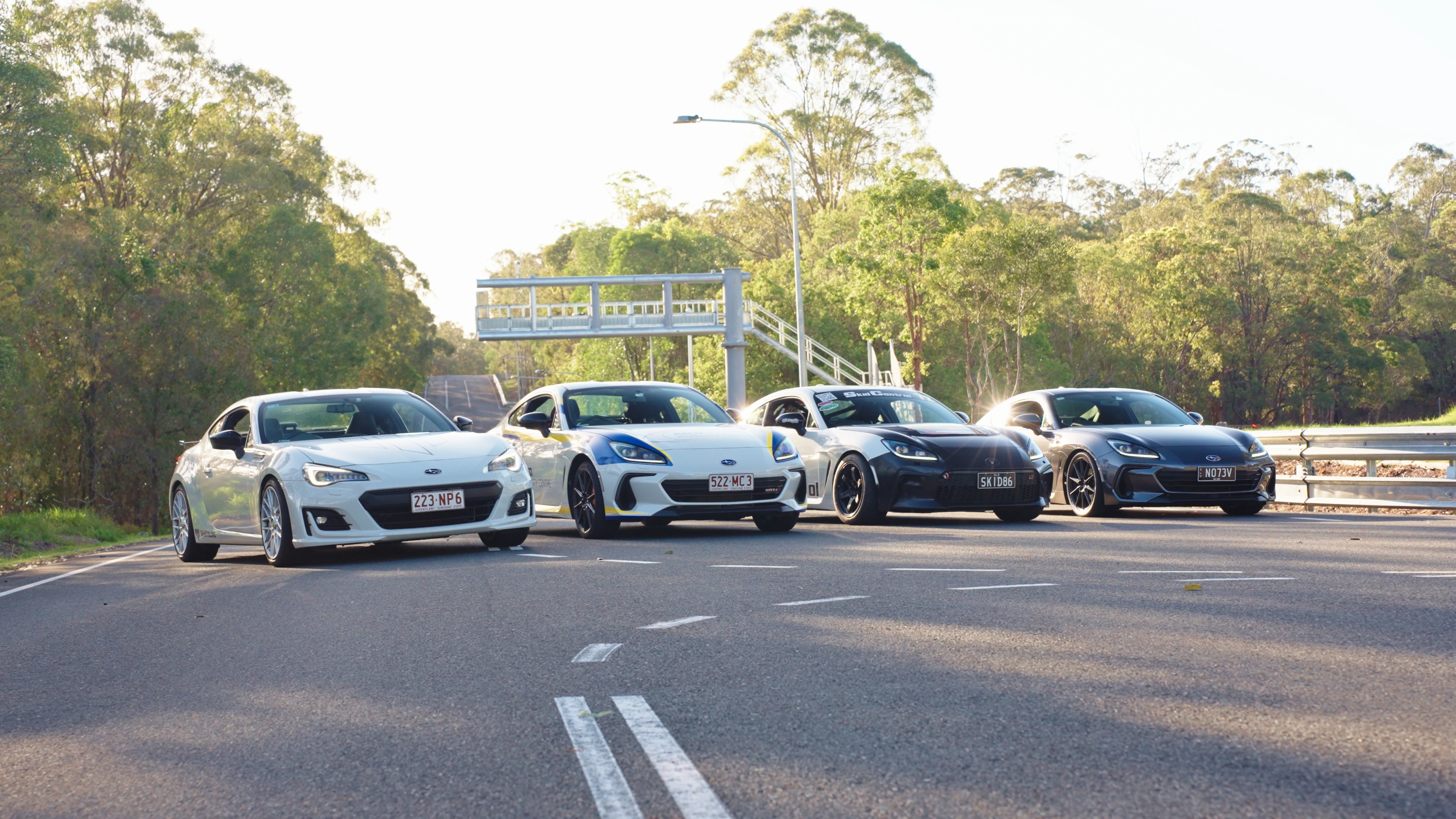
- Professional benchmark closes on newer-generation performance
- Suspension refinement proves more powerful than horsepower
Back at the track, the objective was straightforward. Validate the work that had gone into refining the Gen 1 BRZ and determine whether the changes delivered measurable results under the same conditions as before.
The car had already been pushed hard in completely standard form, establishing a clear performance benchmark and exposing where the platform was losing efficiency. After completing a comprehensive suspension overhaul, returning with the same drivers and comparable conditions removed speculation from the equation.
The upgraded BRZ went five seconds faster around a lap that sits at roughly one minute. That equates to close to an eight percent improvement without altering engine output, adding forced induction or introducing aerodynamic changes. The gains came from control, not power.
Establishing the Baseline
When the BRZ was previously tested in stock form, the results highlighted both its capability and its ceiling. Amateur drivers produced consistent low-60 second laps, while a professional extracted a mid-56 second time from the same platform.
The performance gap became clear during our stock BRZ track session, which exposed how much efficiency was being lost to compliance rather than power.
Vehicle sway increased as lateral loads built through sustained corners. Factory bushings introduced compliance that softened steering accuracy. Mid-corner stability remained predictable, but as commitment rose, the chassis required more correction than ideal. The car was balanced, but it was not operating at maximum precision.
Rather than masking those inefficiencies with additional horsepower, the decision was made to address them directly.
From Compliance to Control
The transition from compliance to precision began during our full suspension overhaul of the BRZ, where the focus shifted to restoring geometry control and eliminating unwanted movement throughout the chassis.
Worn bushings were replaced to remove excess compliance and improve steering feedback. Adjustable control arms allowed camber and toe to be properly set rather than compromised by ride height changes. Upgraded sway bars and links reduced vehicle sway and improved lateral load management. Matched lowering springs reduced the centre of gravity and enhanced stability through direction changes. Wider wheels and higher grip tyres ensured the suspension improvements translated directly into usable mechanical traction.
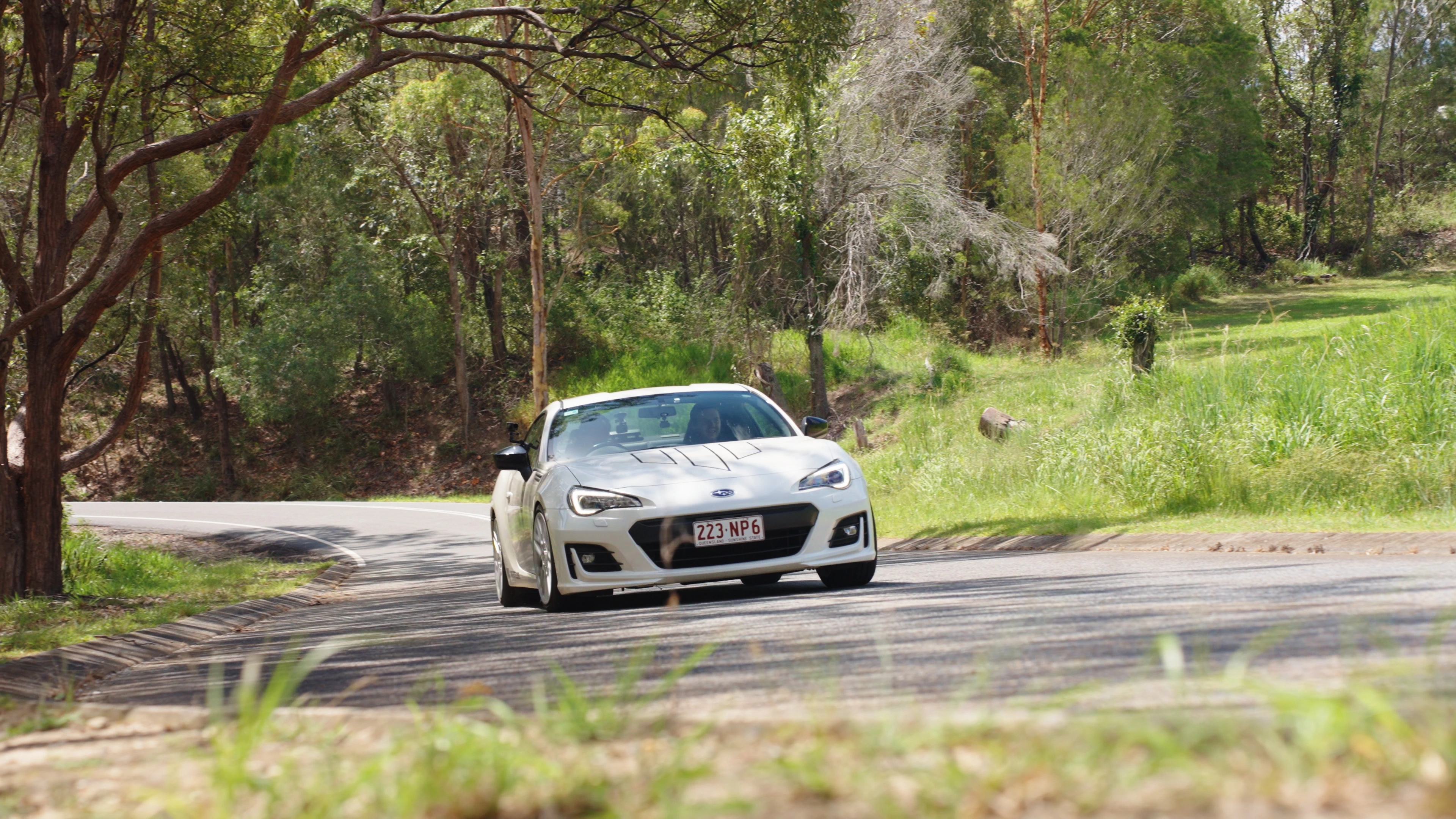
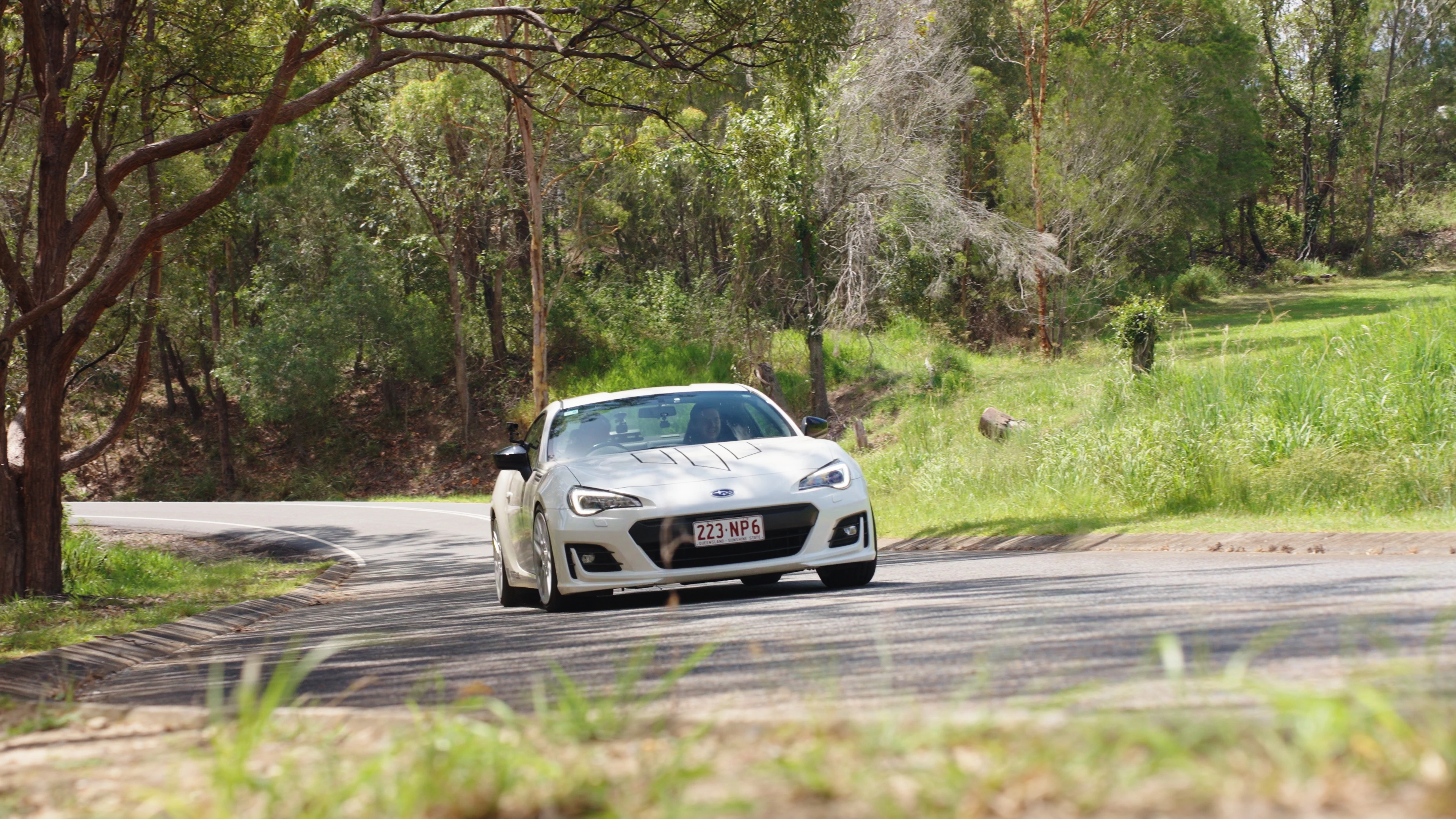
This chassis-first philosophy aligns with what is prioritised in Best BRZ Upgrades, where suspension refinement consistently delivers stronger real-world pace than bolt-on engine parts. The components that sharpen steering response, reduce compliance and increase cornering traction form the backbone of Whiteline BRZ Suspension Upgrades, which are designed specifically to unlock the platform’s potential without altering engine output.
Back at the Track: Measuring the Difference
Returning under comparable conditions ensured that any lap time change could be attributed to the chassis improvements rather than external variables. The engine specification remained unchanged, preserving the integrity of the comparison.
The five second reduction did not come from one dramatic moment. It came from incremental efficiencies gained across every phase of the lap.
Braking zones felt more stable as the chassis settled more predictably under load. Direction changes required fewer corrective inputs, allowing smoother transitions between corners. Mid-corner balance became more progressive, giving clearer feedback about available grip and encouraging higher commitment at the apex.
Corner exits proved especially significant. With alignment geometry corrected and compliance reduced, the tyres maintained a more consistent contact patch under acceleration. Throttle application could begin earlier and more confidently, generating stronger drive out of slower sections. Each improved exit carried additional speed into the next segment of track, compounding across the lap.
Weight transfer efficiency also improved. By controlling how the car loaded and unloaded under braking and throttle, the upgraded suspension reduced wasted movement and directed more energy into forward motion. The platform felt composed rather than reactive, and that composure translated directly into time.
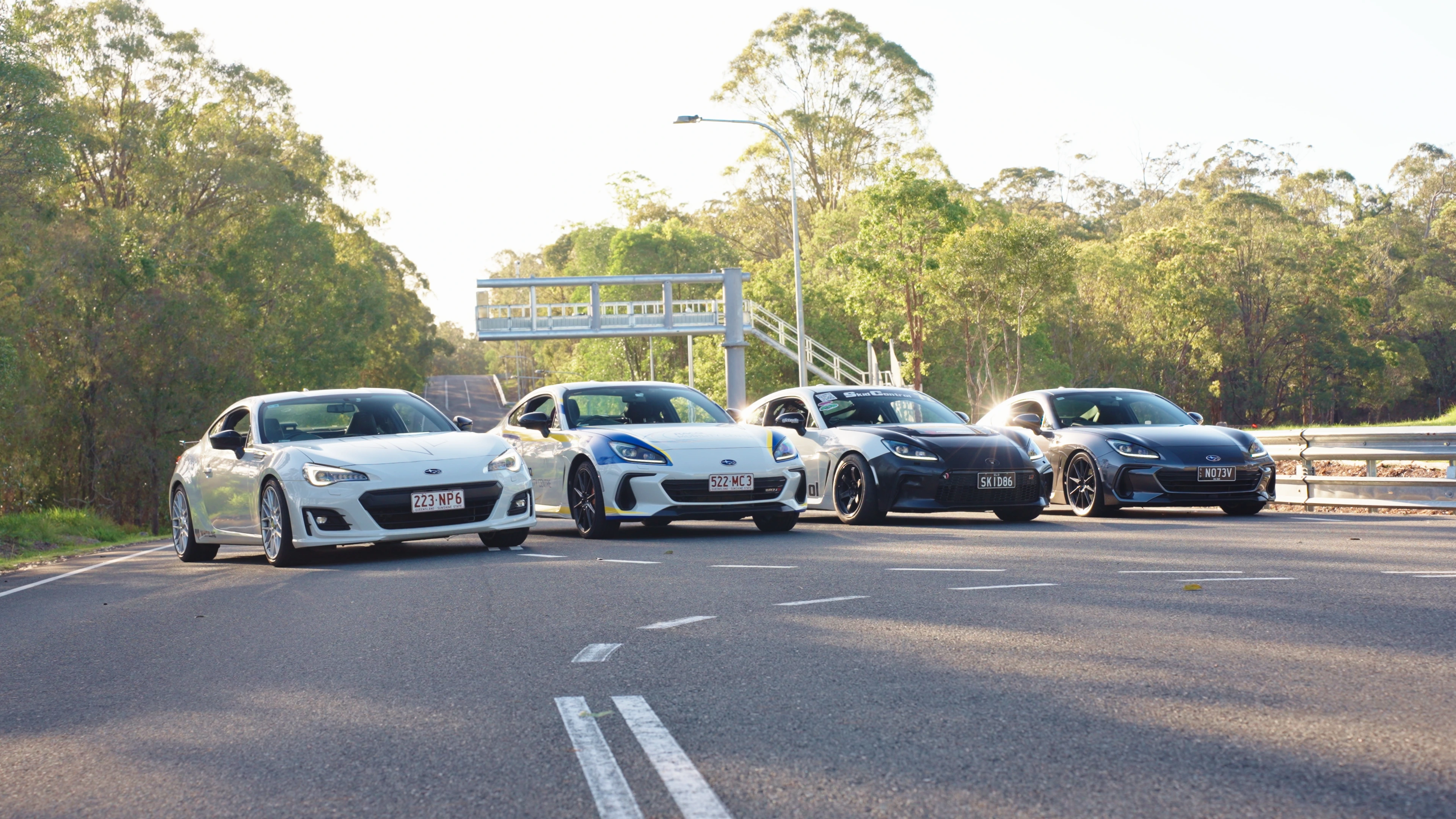
Confidence and Consistency
A stable chassis changes how a car can be driven. With improved predictability, drivers committed earlier and applied throttle with greater confidence. Gear selection became an optimisation choice rather than a defensive reaction to traction limits.
Consistency increased alongside outright pace. The car did not simply produce one fast lap; it repeated the performance reliably. That repeatability reinforced the legitimacy of the five second improvement.
Precision Over Power
Engine output remained unchanged, which makes the result more significant. The time was found through eliminating compliance, correcting geometry, reducing vehicle sway and maximising tyre performance.
Power influences straight-line speed. Suspension governs how efficiently a car navigates every corner.
Five seconds were gained not through additional horsepower, but through precision.
Once properly dialled in, the Gen 1 BRZ converted every steering input and throttle application into forward momentum instead of wasted movement.


