
 AU
 United Kingdom
 Europe
 United States

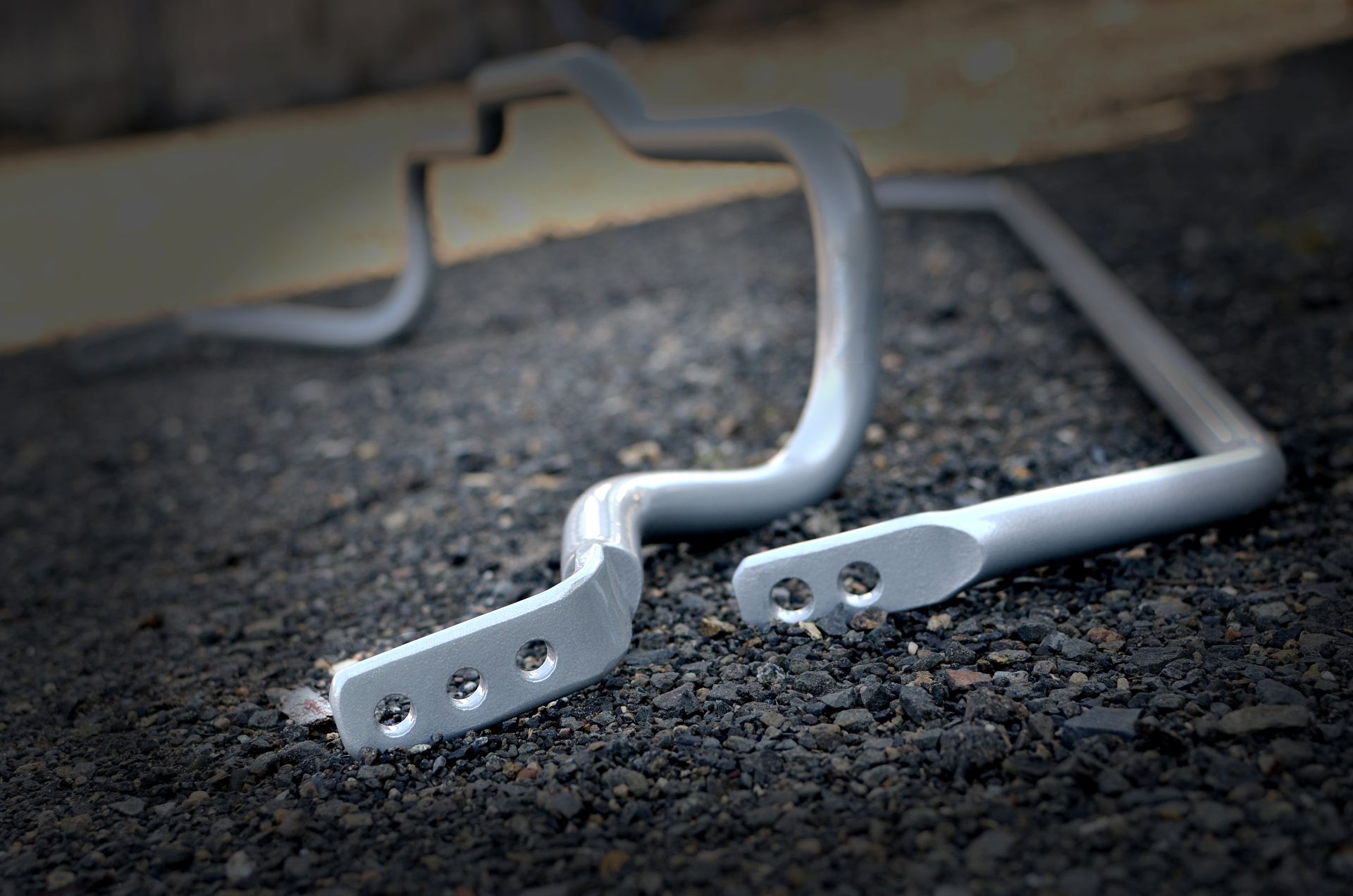

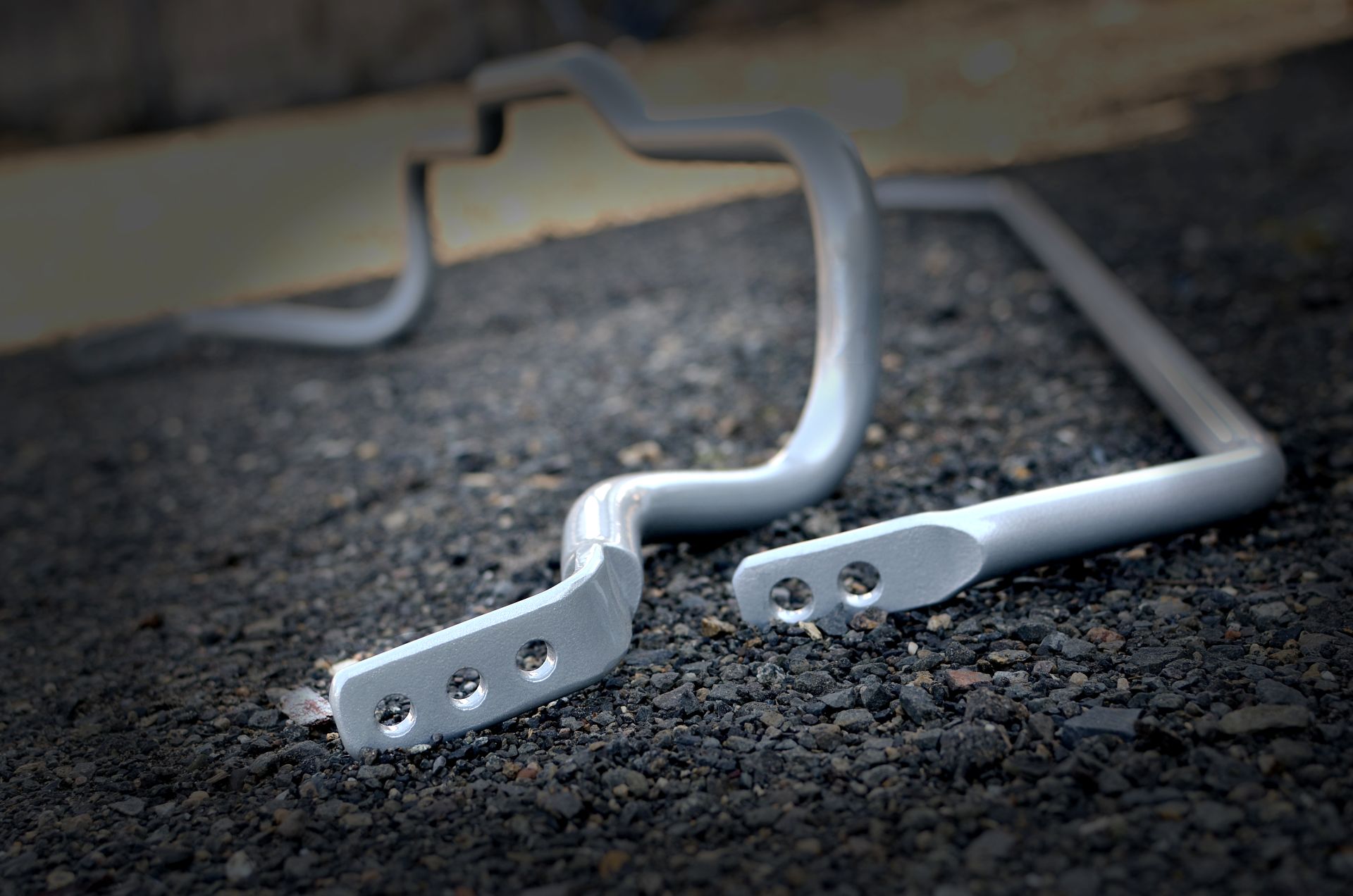
A sway bar connects the left and right suspension on the same axle and twists to resist body roll when the car corners. By keeping the body flatter, it keeps the tyres in better contact with the road, sharpens steering response and lets you tune how the car balances between understeer and oversteer. An adjustable sway bar is one of the best value handling upgrades going.
Crawl under nearly any car, ute or 4x4 and you’ll find a steel bar running across the suspension from one side to the other. That’s the sway bar, sometimes called an anti-sway bar, stabiliser bar or anti-roll bar. It doesn’t look like much, but it has a massive say in how flat the car stays through corners and how it feels when you’re pushing on. Here’s what a sway bar does, how it works and why our sway bars are such a popular first step towards more grip.
What is a sway bar?
A sway bar is a length of spring steel bent into a broad U shape. The centre section runs across the car and is held to the body or subframe by two bushes, which let it rotate. Each end connects to the suspension on its side through a sway bar link.
Most cars have one at the front, and many have one at the rear as well. Utes and 4x4s usually have at least a front bar, often with a rear bar too.
How does a sway bar work?
When both wheels on an axle move up and down together, such as over a speed hump taken square on, the sway bar simply rotates in its bushes and does almost nothing. When the car corners, the body leans towards the outside of the turn. The outside suspension compresses and the inside extends, and because the bar links both sides, that difference twists it.
Steel resists being twisted, so the bar pushes back, pressing the outside wheel down and lifting the inside wheel relative to the body, which counteracts the lean. A stiffer bar pushes back harder, so the car rolls less.
What a sway bar does for handling
Cuts body roll
The car stays flatter through roundabouts, on-ramps and twisty roads, which feels calmer and more controlled.
Keeps the tyres working
Less roll means less camber change at the wheel, so more of each tyre’s tread stays in contact with the road.
Sharpens steering
With less body movement to settle, the car responds faster when you turn the wheel, particularly through quick direction changes.
Sets the balance
The split of stiffness between the front and rear bars decides whether the car tends to understeer or oversteer. A stiffer rear helps the car rotate, while a stiffer front calms a lively rear.
Factory sway bar vs Whiteline sway bar
|
Area |
Typical factory bar |
Whiteline sway bar |
|
Body roll |
Moderate to high |
Reduced |
|
Steering response |
Softer |
Crisper |
|
Balance |
Fixed, usually biased to understeer |
Adjustable on many bars |
|
Ride over even bumps |
Barely affected |
Barely affected |
|
Bushes |
Rubber |
Polyurethane |
|
Warranty |
Varies |
Lifetime |
Why sway bars are such a good first upgrade
Because a sway bar mostly works when the body rolls or one wheel moves more than the other, it adds cornering control without stiffening the ride over everyday bumps. That makes it ideal for daily drivers on Australian roads.
Our bars come in diameters from 18mm to 35mm depending on the vehicle, and many are 2, 3 or 4-point adjustable. Every bar is tested for stiffness, durability and on-road performance, and comes with polyurethane bushes and quality mounting hardware.
Getting the most from a sway bar upgrade
Pair the bar with quality sway bar links, so it starts working from the first degree of roll. On lowered cars, adjustable links keep the bar sitting neutral at ride height. For the complete package, our performance suspension kits combine front and rear bars with matched springs and bushes.
FAQs
Looking for more information about sway bars? Below we answer the most commonly asked questions
What does a sway bar do?
Is a sway bar the same as an anti-roll bar?
Do sway bars make the ride harsher?
Should I upgrade the front or rear sway bar?
Are adjustable sway bars worth it?
Do Whiteline sway bars come with a warranty?
Activate more grip with an upgrade from our sway bars range.


