
 AU
 United Kingdom
 Europe
 United States

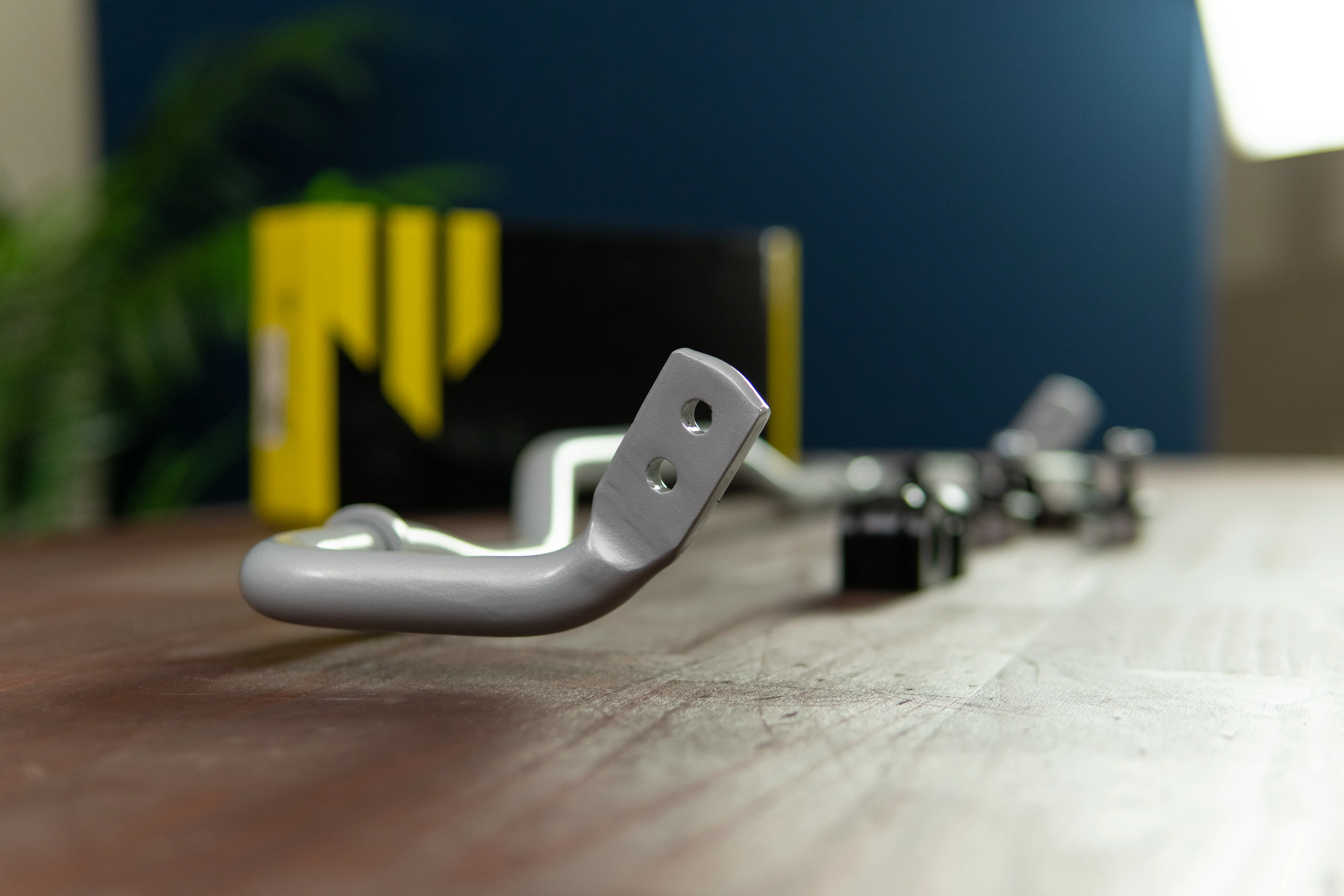

In most cases you do, because Australian insurers generally expect you to disclose modifications that change a car’s performance, handling or ride height, including lowering springs, sway bars and suspension kits. Telling them up front keeps your cover valid, and quality bolt-on parts that stay within your state’s rules are usually straightforward to declare.
You’ve fitted new suspension and the car feels fantastic. Before you head off on that weekend drive, there’s one more box to tick. Insurance disclosure isn’t the exciting part of modifying a car, but getting it wrong can cost far more than any part you bolt on. Here’s how it generally works in Australia, and how to make declaring a set of performance suspension kits parts simple.
This isn’t legal or insurance advice. Policies differ, so always read your product disclosure statement and speak with your insurer.
Why do insurers care about suspension modifications?
Insurers price policies on risk, and modifications can change that risk. A lowered car with upgraded handling may be driven harder, may be more attractive to thieves, and costs more to repair or replace if it’s written off. Disclosure lets the insurer agree to cover the car as it really is, including the parts you’ve paid for.
If you don’t disclose a modification your policy asks about, the insurer may be able to reduce or refuse a claim. That’s the real reason to declare everything, even parts that seem minor.
Which suspension changes are usually considered modifications?
Most insurers class anything that changes the car from factory specification as a modification. For suspension, that commonly includes:
• Lowering springs or coilovers that change ride height
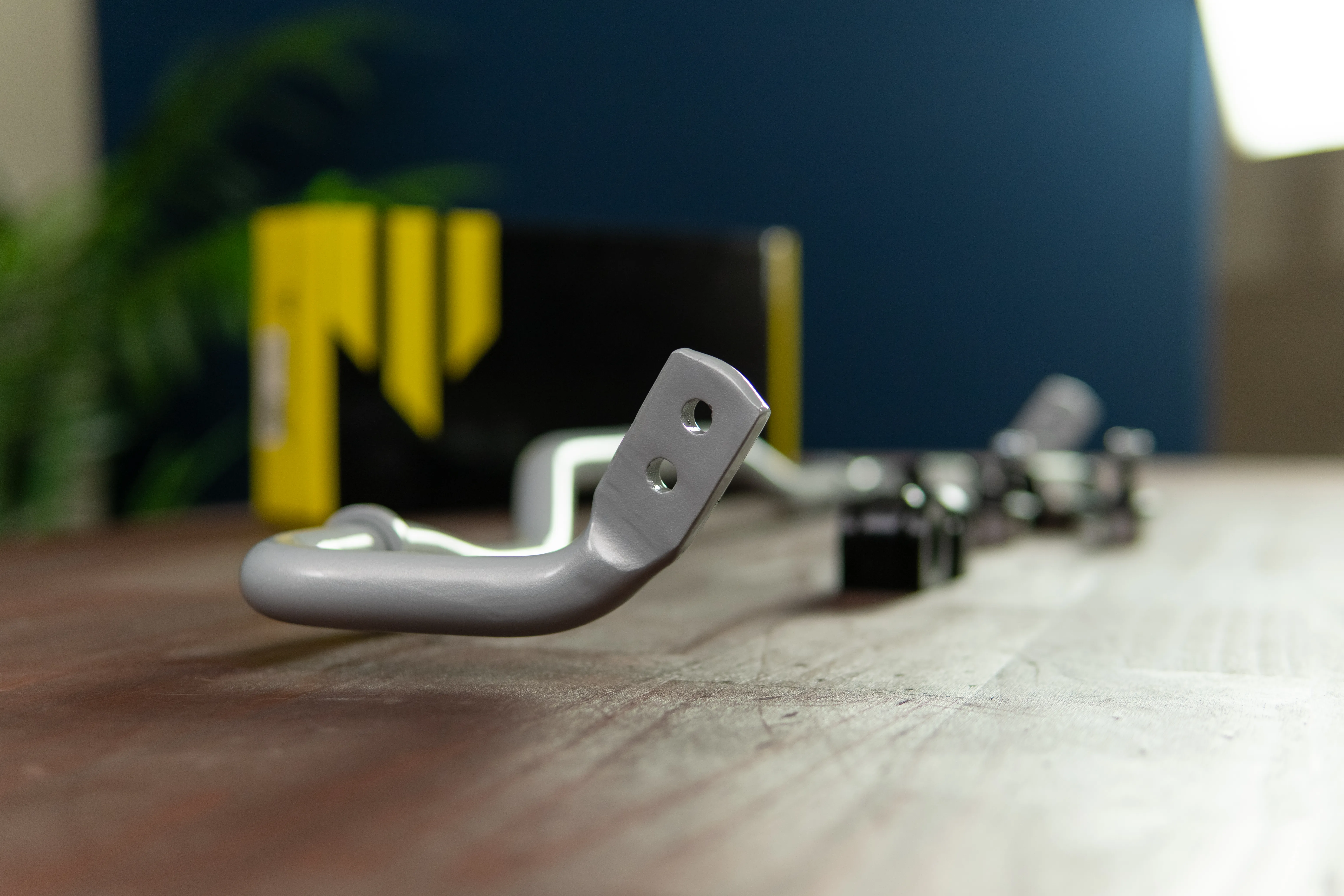
• Upgraded sway bars and sway bar links
• Polyurethane bushes and alignment parts
• Complete suspension or handling kits
• Strut braces and other chassis bracing
Some insurers treat like-for-like replacements differently from upgrades, so ask how they view each part.
How do you declare suspension modifications?
Make a list before you call. Include each part, the brand and what it changes. Keep your receipts and any fitting invoices, and take a few photos of the installed parts. If you’ve lowered the car, note the approximate drop and confirm it stays within your state’s limits.
Insurers may adjust your premium, apply conditions or offer agreed value cover that includes the modifications. Agreed value is worth asking about, because it means the parts you’ve invested in are included if the car is written off.
Do suspension modifications have to be legal first?
They do, insurers expect the car to be roadworthy and compliant. Australia’s national guidelines allow many suspension changes without engineering certification, provided the total height change stays within about 50mm, ground clearance stays at 100mm or more, and the work uses no more than a third of the original suspension travel. Rules vary between states, so confirm with your local roads authority.
Our lowering springs are designed around modest drops, and our sway bars, links and bushes are bolt-on upgrades, which keeps most street setups well inside those limits.
Quick disclosure checklist
|
Step |
What to do |
Why it helps |
|
List the parts |
Brand, part type, what it changes |
Clear, accurate disclosure |
|
Keep receipts |
Parts and fitting invoices |
Proves value and quality |
|
Take photos |
Installed parts and ride height |
Evidence if you claim |
|
Check legality |
State rules on height and clearance |
Keeps the car roadworthy |
|
Ask about agreed value |
Include mods in the sum insured |
Protects your investment |
|
Update after changes |
Tell the insurer about new parts |
Cover stays valid |
Why quality parts make the conversation easier
Insurers and roadworthy inspectors look more favourably on recognised brands, professional installation and sensible ride heights. Our parts are engineered for specific vehicles, come with clear part numbers and are fitted by resellers and workshops right across Australia. That makes them easy to describe and easy to verify.
FAQs
Looking for more information about insuring a modified car? Below we answer the most commonly asked questions
Do I need to tell my insurer about lowering springs?
Do sway bars count as a modification?
Will modifications increase my premium?
What happens if I don’t declare modifications?
Do I need an engineering certificate for lowering springs?
Should I get agreed value cover for a modified car?
Build it right and declare it properly. Explore our performance suspension kits, or find a Whiteline reseller to handle the fitting.


