
 AU
 United Kingdom
 Europe
 United States

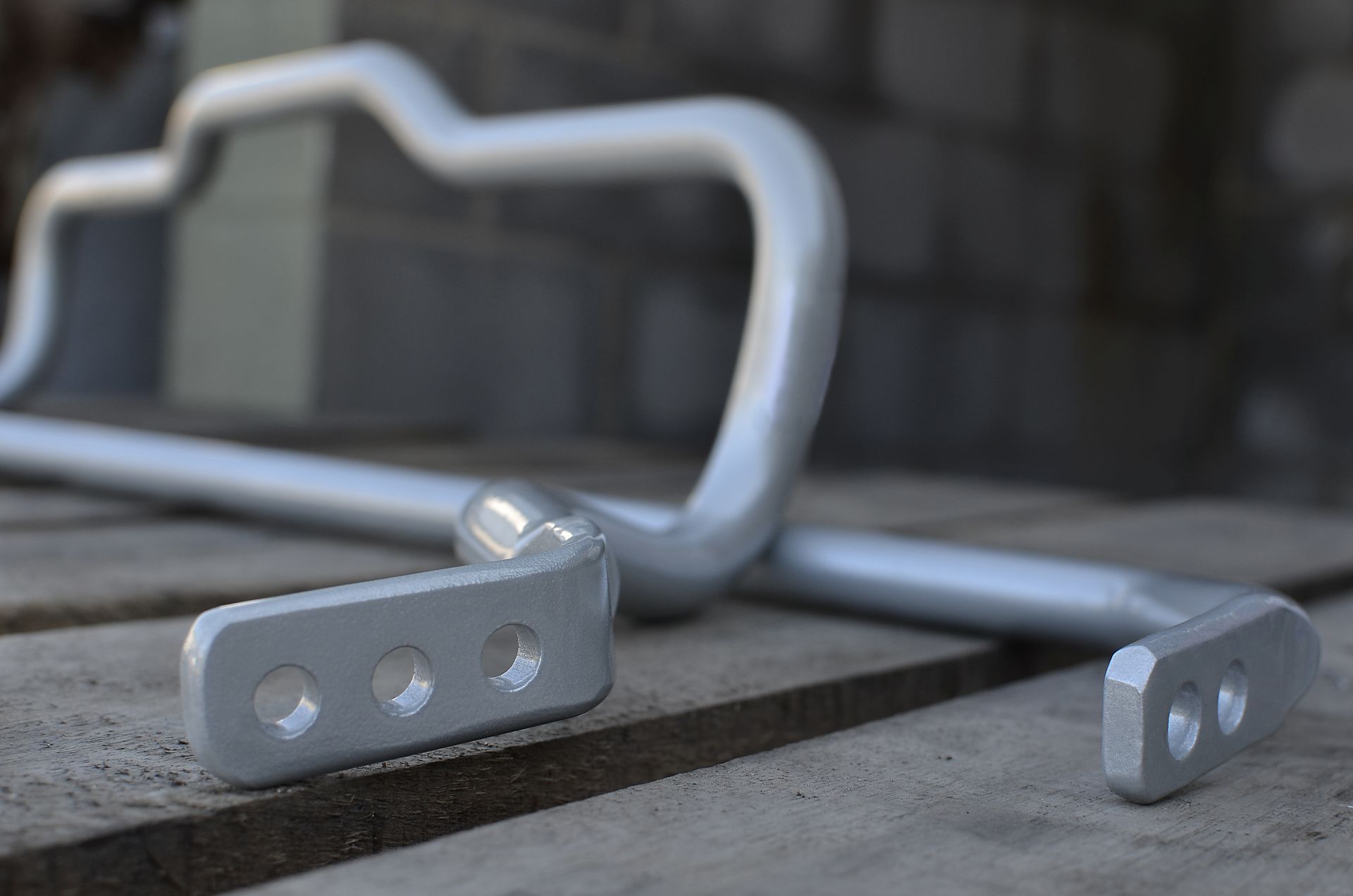

On most front-wheel drive and all-wheel drive cars, upgrade the rear sway bar first to reduce understeer and help the car rotate. On rear-wheel drive cars, a matched front and rear upgrade usually gives the best balance. The front bar mainly controls overall roll and turn-in, while the rear bar has the biggest effect on how the car balances mid-corner.
If you’re ready to upgrade your sway bars, the next decision is where to start. Do you go front, rear or both? The answer comes down to how your car is built and what it does when you push it. Here’s how front and rear bars change the way a car drives, and how to pick the right starting point from our sway bars.
The rule that decides balance
Each end of the car has a certain amount of roll stiffness, coming from its springs and sway bar. The end with more roll stiffness takes a bigger share of the weight transfer when the car corners, so its tyres work harder and run out of grip first.
That gives you a simple rule to work with. Stiffening the rear makes the rear tyres work harder, which reduces understeer and helps the car turn. Stiffening the front makes the front tyres work harder, which reduces oversteer and settles the rear.
When the rear sway bar should come first
Front-wheel drive cars
Front-drive cars carry most of their weight over the front tyres, which also steer and drive the car. They tend to push wide when pushed. A stiffer rear bar shifts roll stiffness rearward, helps the car rotate and frees up grip at the front for steering and drive.
All-wheel drive cars
Many all-wheel drive cars, including popular turbo models, are set up with a strong understeer bias from the factory. A stiffer rear bar makes them noticeably more eager to turn in tight corners.
Any car that understeers
If your main complaint is the nose running wide, the rear bar is almost always the place to start.
When the front sway bar makes sense
Rear-wheel drive cars that feel loose
A stiffer front bar can calm a rear-drive car that oversteers too readily.
Cars with heavy front body roll
Some cars lean a lot at the front even if their balance is good, and a front bar sharpens turn-in and flattens the car.
As part of a matched pair
Upgrading both bars together lets you reduce overall body roll while setting the balance precisely.
Front vs rear sway bar at a glance
|
Factor |
Front sway bar |
Rear sway bar |
|
Effect on balance |
Reduces oversteer |
Reduces understeer |
|
Effect on roll |
Flatter front end |
Flatter rear end |
|
Best first upgrade for |
Rear-drive cars that oversteer |
Front-drive and AWD cars that push |
|
How it feels |
More stable, crisper turn-in |
More rotation, more playful |
|
Usually paired with |
Rear bar |
Front bar |
Why adjustable bars take the guesswork out
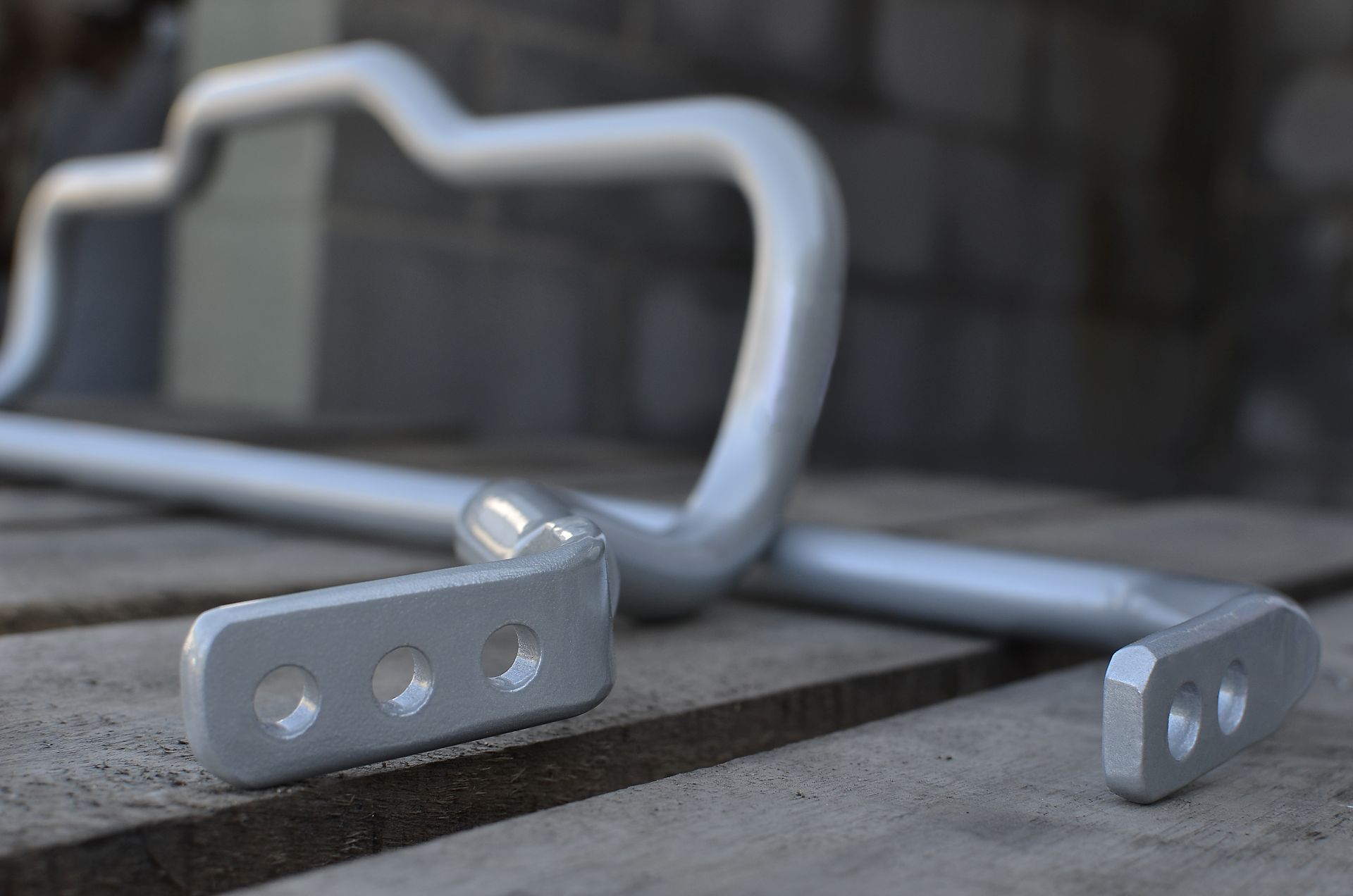
With an adjustable bar you can fine-tune the balance after fitting. Our bars are 2, 3 or 4-point adjustable on many applications, so you can start on a softer setting and move one position at a time. That’s especially handy on the rear bar, where small changes have a noticeable effect on rotation.
Our vehicle kits pair the two
For many cars, we offer front and rear bars developed together as a vehicle kit, often with sway bar links and lateral locks that stop the bar sliding in its bushes. Popular examples include kits for the Holden Commodore VT to VZ, the Ford Mustang S197 and the Subaru Impreza WRX. If you want lower ride height as well, our performance suspension kits combine the bars with matched springs and bushes.
How tyres and alignment affect the decision
Before deciding which bar to change, make sure the tyres and alignment aren’t creating the balance problem. Worn front tyres, low front pressures or too little front negative camber can all make a car understeer, while mismatched or worn rear tyres can make it feel loose. Sorting those first gives you an honest baseline, so the sway bar change you make addresses the car’s real character rather than a tyre or alignment issue.
FAQs
Looking for more information about front and rear sway bar upgrades? Below we answer the most commonly asked questions
Should I upgrade my front or rear sway bar first?
Does a rear sway bar reduce understeer?
Does a front sway bar reduce oversteer?
Can a stiffer rear sway bar cause oversteer?
Do I need both front and rear sway bars?
Do I need new sway bar links with an upgrade?
Find the right front, rear or matched pair for your car in our sway bars range.


