
 AU
 United Kingdom
 Europe
 United States

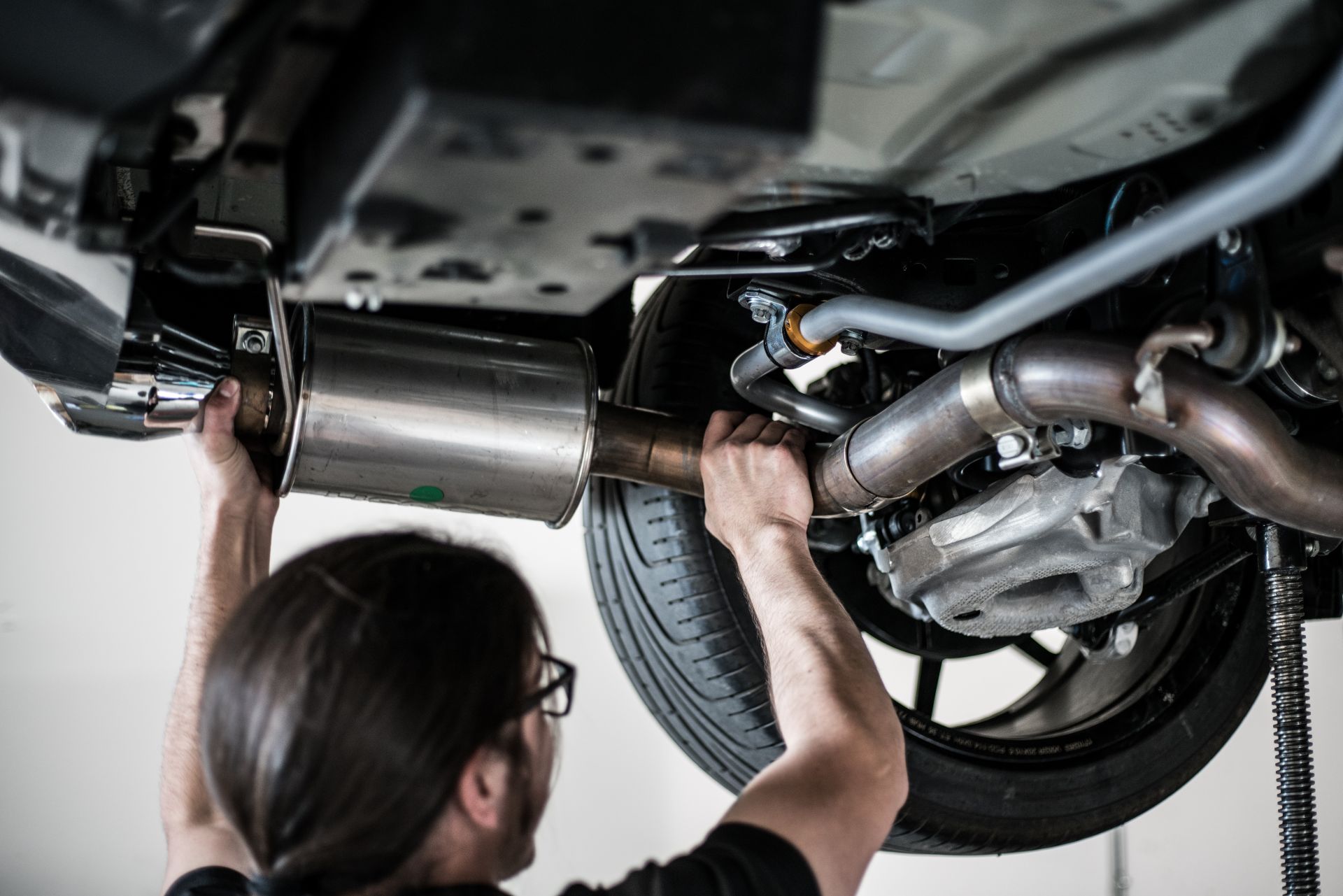

For reducing body roll, an upgraded sway bar is usually better than stiffer springs. A sway bar adds roll stiffness without stiffening the ride over bumps that hit both wheels, so the car corners flatter while staying comfortable. Stiffer springs reduce roll too, but they also firm up the ride everywhere. Most cars get the best result from a stiffer bar with modestly firmer springs.
If you want a flatter car through corners, you’ve got two main tools: the springs and the sway bars. Both add roll stiffness, but they go about it in very different ways, and that difference matters a lot on Australian roads. Here’s how sway bars and springs compare, and why our sway bars are usually the smarter first step.
How springs control roll
Springs support the car’s weight and absorb bumps. In a corner, the outside springs compress as the body leans, and the stiffer they are, the more they resist that lean. So firmer springs do reduce body roll.
The trade-off is that springs work all the time. Every bump, pothole and expansion joint has to be absorbed by them, so stiffer springs make the ride firmer everywhere, not just in corners.
How sway bars control roll
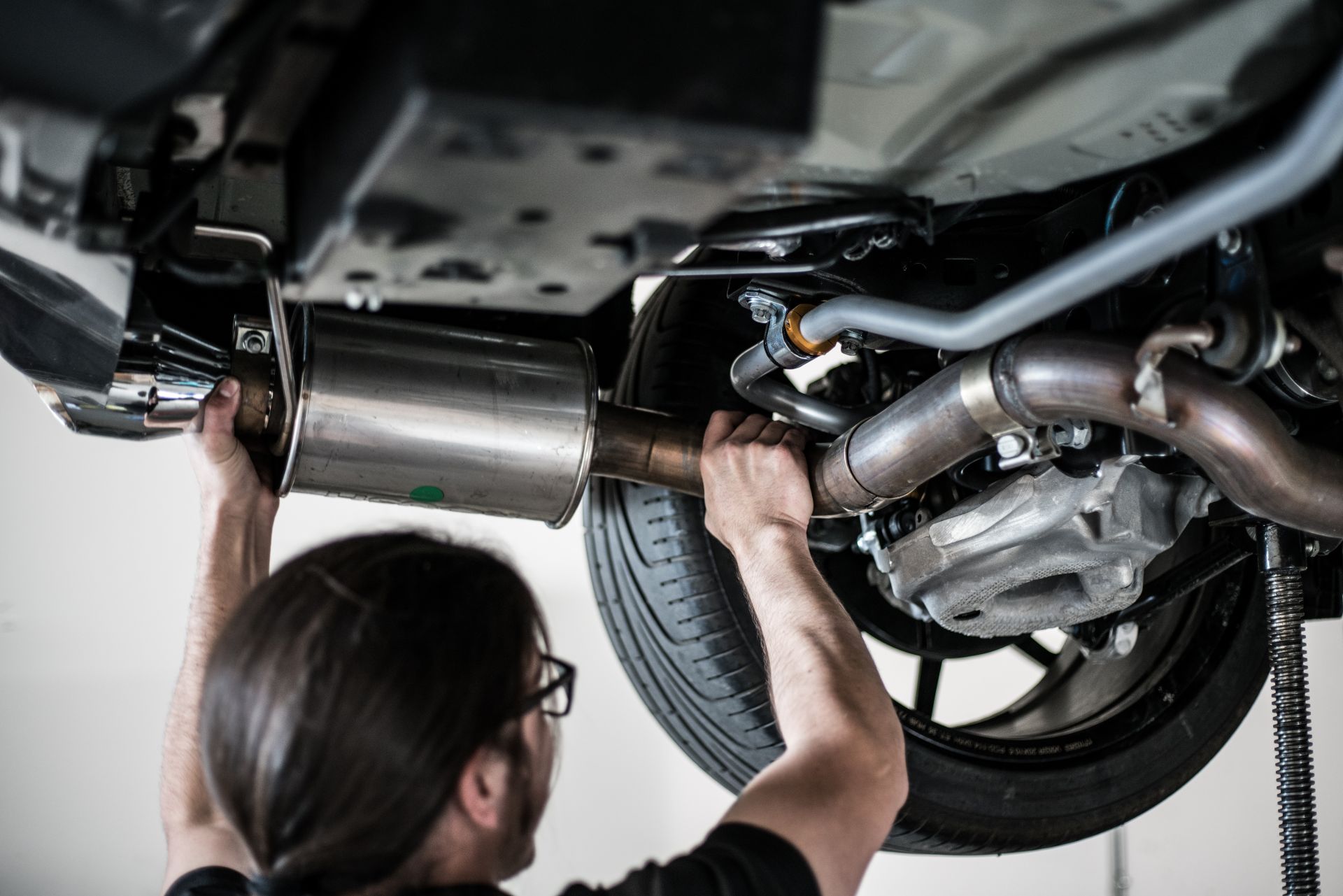
A sway bar links the left and right sides of the suspension. It only twists, and therefore only resists, when one side moves more than the other, which is exactly what happens when the body rolls. When both wheels move together over a bump, the bar simply rotates in its bushes and does very little.
That means a sway bar adds roll stiffness while leaving the ride over most bumps almost unchanged. It’s a far more targeted way to reduce body roll.
Sway bar vs stiffer springs compared
|
Factor |
Stiffer sway bar |
Stiffer springs |
|
Reduces body roll |
Yes, very efficiently |
Yes |
|
Effect on ride over even bumps |
Minimal |
Firmer |
|
Effect on one-wheel bumps |
Slightly firmer |
Firmer |
|
Controls pitch under braking |
No |
Yes |
|
Changes ride height |
No |
Usually, if lowering springs |
|
Lets you tune balance |
Yes, especially if adjustable |
Less easily |
|
Cost and fitting |
Usually simpler |
Struts often need removing |
When springs are the right tool
Springs do things sway bars can’t. They control pitch, the nose diving under brakes and the tail squatting under acceleration. Lowering springs also drop the centre of gravity, which reduces the leverage the body has to roll in the first place. So springs still have an important role, particularly if you want a lower stance or less dive.
Why the best setups use both
The most effective handling setups combine an upgraded sway bar with modestly firmer, matched springs. The springs lower the car and control pitch, while the sway bars provide most of the roll stiffness and set the balance. Because the bars do the heavy lifting on roll, the springs don’t need to be harsh, which keeps the ride civil on rough bitumen.
That’s exactly how our performance suspension kits are developed. Spring rates and bar stiffness are matched for each platform, so the car is flatter and sharper without crashing over potholes.
If you can only do one, which should it be?
For most street cars, start with the sway bars. You’ll get the biggest reduction in body roll for the least effect on comfort, and adjustable bars let you tune the balance as well. Add springs later if you want a lower stance or less pitch under brakes.
What this means on Australian roads
Rough country bitumen, patched suburban streets and the odd pothole all favour a setup that keeps the springs compliant. A car running very stiff springs to control roll can skip over mid-corner bumps and feel harsh on a long drive. Leaning on the sway bars for roll control lets the springs stay closer to factory feel, so the car stays planted when the surface gets rough. It’s one of the main reasons sway bars are the go-to first upgrade for Australian street cars.
Don’t forget the bushes
Both springs and sway bars rely on the bushes around them. Soft or worn sway bar bushes let the bar move before it twists, which wastes some of its stiffness. Fresh polyurethane bushes, supplied with our bars, make sure the bar starts working the moment the body begins to lean.
FAQs
Looking for more information about sway bars and stiffer springs? Below we answer the most commonly asked questions
Is a sway bar or stiffer springs better for body roll?
Do stiffer springs reduce body roll?
Do sway bars affect ride comfort?
Can I use both a sway bar and stiffer springs?
Do sway bars reduce nose dive under braking?
Which should I upgrade first?
Cut body roll the smart way with our adjustable sway bars.


