
 AU
 United Kingdom
 Europe
 United States

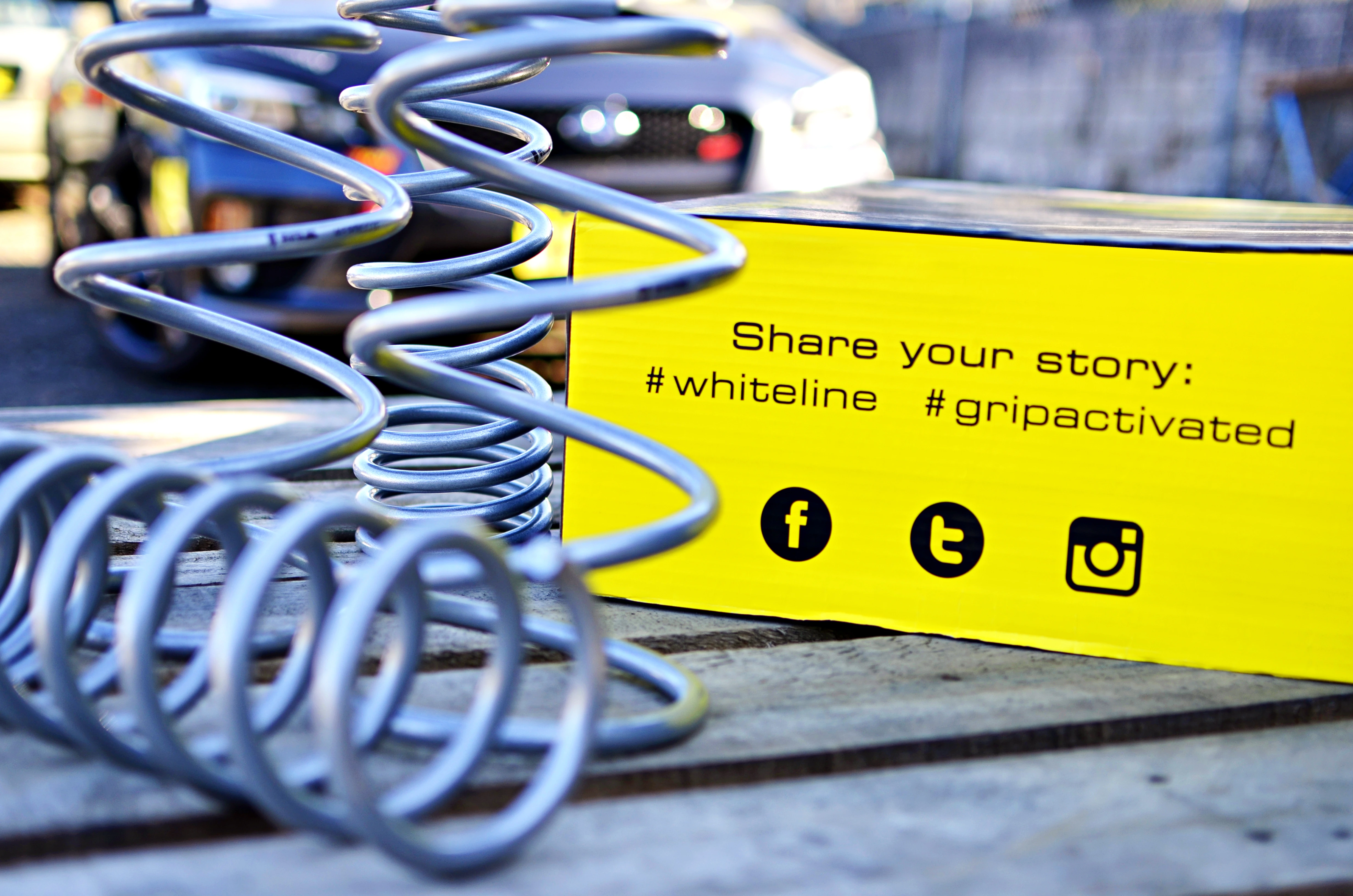

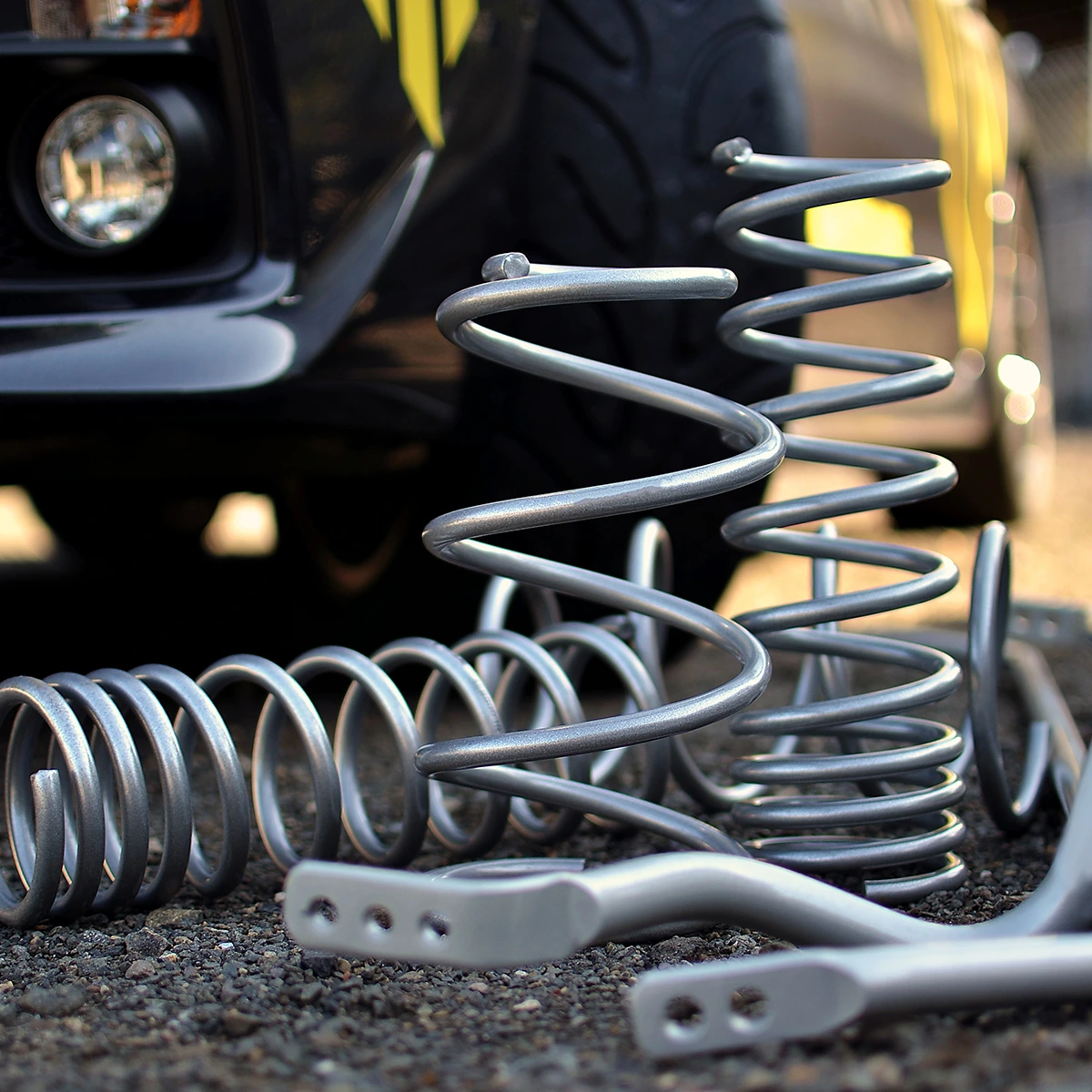
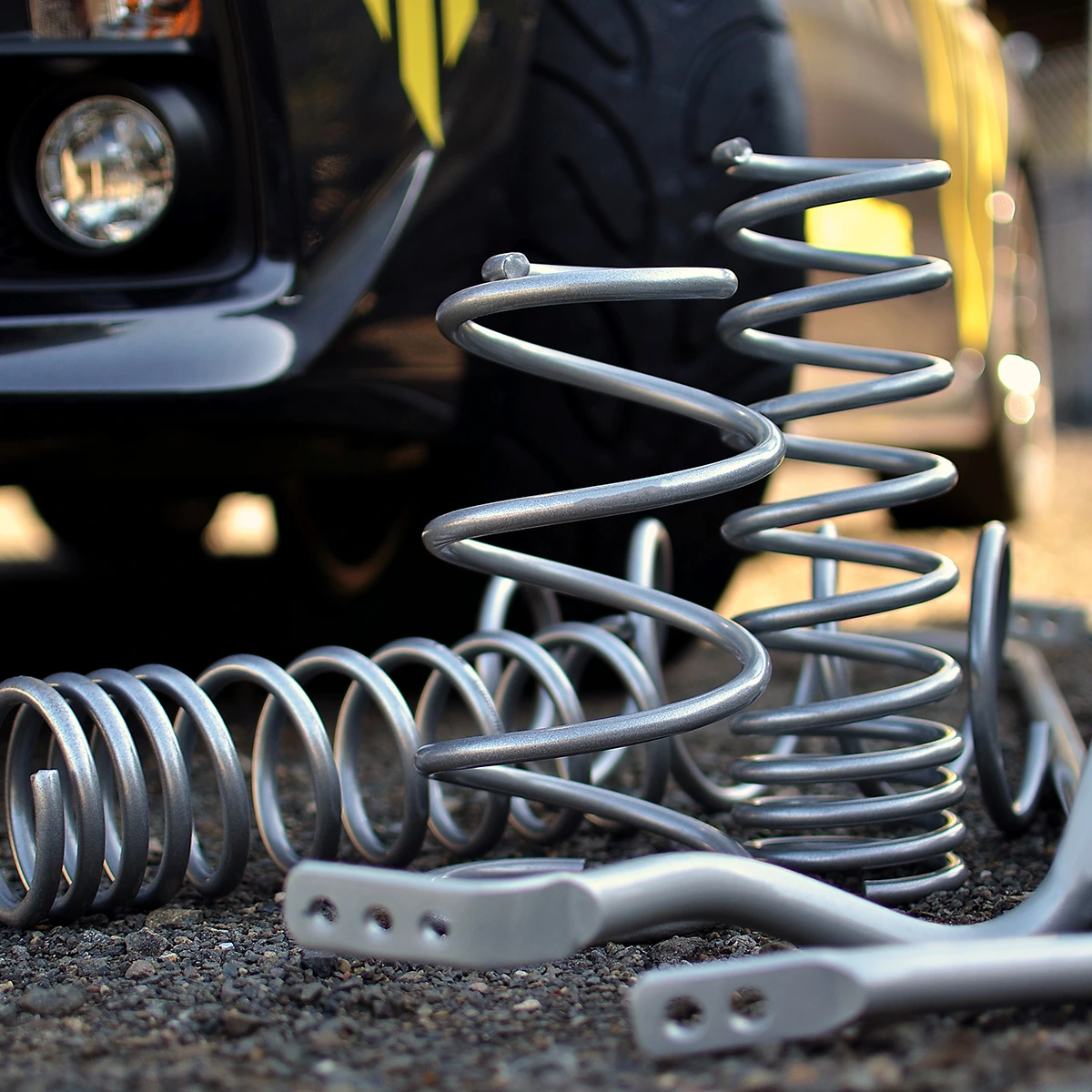
The most effective way to reduce body roll is a stiffer, adjustable sway bar, backed by polyurethane bushes, quality sway bar links and a mild set of lowering springs. Together they cut lean, keep the tyres flatter and sharpen steering, while the ride stays comfortable enough for Australian roads every day of the week.
Turn into a roundabout a bit quick and feel the car lean over onto its door handles? That’s body roll, and it’s one of the biggest things standing between a good car and a great one. The good news is that it’s very fixable, and you don’t need to turn your daily into a go-kart to do it. Here’s how we reduce body roll, and how it all comes together in our performance suspension kits.
Why does a car lean in corners?
When you turn, the tyres pull the car towards the inside of the corner while the body’s weight wants to carry on straight. Because that weight sits above the suspension’s roll centre, the body rotates and leans out. The outside springs compress, the inside springs extend and load piles onto the outside tyres.
Factory suspension is tuned for comfort, low noise and safe understeer, so most cars leave the showroom with plenty of lean built in. That’s fine for the school run. It’s less fine when you want to enjoy a twisty road or a track day.
How does body roll cost you grip?
A tyre grips best when the tread sits flat on the road. As the body leans, most suspension designs tilt the wheel with it, rolling the outside tyre onto its shoulder and shrinking the contact patch. Less rubber on the road means less grip, right when you need it.
Lean also slows the car’s reactions. The body has to finish rolling before the suspension takes a set, so the steering feels lazy and the car needs a moment to settle in quick changes of direction. Cut the roll and the car responds the instant you turn the wheel.
How to reduce body roll, part by part
Fit an adjustable sway bar
A sway bar connects the left and right wheels and resists the body twisting. A thicker, stiffer bar is the most efficient way to reduce body roll, because it only works when the car leans. Over bumps that hit both wheels evenly, it barely touches the ride. Our 2, 3 and 4-point adjustable bars also let you tune balance between the front and rear.
Upgrade the sway bar links
Factory links often have soft joints or the wrong length on a lowered car. Our sway bar links let the bar work from the first degree of roll, and adjustable versions take preload out of the system.
Swap tired rubber for polyurethane bushes
Rubber bushes squash under load, so the arms and the bar move before the suspension resists anything. Our polyurethane bushes hold everything in place, and they carry a lifetime warranty.
Add a mild drop with lowering springs
Lowering the centre of gravity reduces the leverage the body’s weight has over the suspension. A modest drop with a firmer rate settles the car faster without bottoming out on rough bitumen.
Body roll upgrades compared
|
Upgrade |
Reduction in body roll |
Ride comfort impact |
Good first step? |
|
Adjustable sway bars |
High |
Low |
Yes |
|
Sway bar links |
Low on their own, sharper response |
None |
With bars |
|
Polyurethane bushes |
Medium, more precise |
Low to medium |
Yes |
|
Lowering springs |
Medium |
Medium |
After bars |
|
Complete matched kit |
Highest overall |
Tuned for street |
Yes, if doing the lot |
Do you need a full kit to reduce body roll?
You don’t, but it’s the quickest way to get the best result. Fitting parts one at a time means matching spring rates, bar stiffness and ride height yourself. Our kits pair springs, adjustable sway bars, links and polyurethane bushes developed together for the platform, so the parts work as one from the moment they’re fitted. You get one install, one wheel alignment and a car that’s flatter, sharper and still easy to live with.
If you’d prefer to build in stages, start with our sway bars, then add suspension bushes and springs as the budget allows.
What else helps reduce body roll?
Tyre choice and pressures make a real difference. A stiffer sidewall performance tyre at the right pressure holds its shape better under load. A fresh wheel alignment with a little extra negative camber up front also helps the tyre stay flat as the car leans. These are cheap wins that make every hardware upgrade work better.
FAQs
Looking for more information about reducing body roll? Below we answer the most commonly asked questions
What is the best way to reduce body roll?
Do lowering springs reduce body roll?
Will reducing body roll make the ride harsh?
Do I need a wheel alignment after fitting sway bars?
Do polyurethane bushes reduce body roll?
Can I reduce body roll on a 4x4 or ute?
Ready to Activate More Grip? Find the matched setup for your car in our performance suspension kits, or find your nearest Whiteline reseller.


