
 AU
 United Kingdom
 Europe
 United States

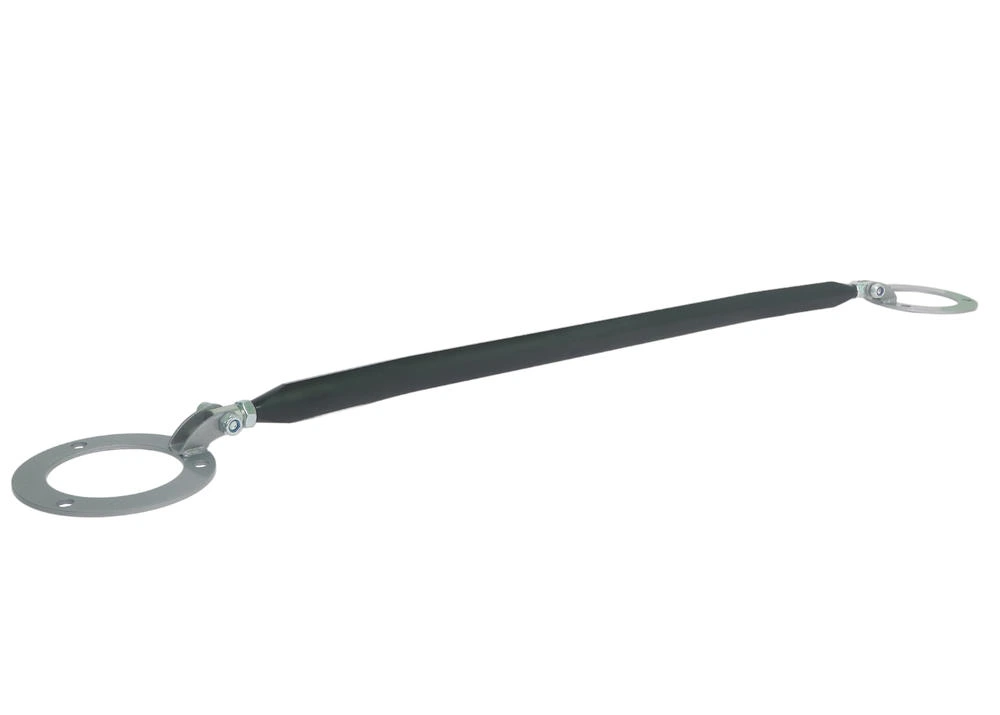

A strut brace is worth it on a street car when the car has MacPherson strut suspension, a fair few kilometres on the body, or grippier tyres and upgraded suspension. It sharpens turn-in and keeps camber steadier without changing ride comfort. On very stiff modern cars, or before sorting worn bushes and sway bars, the improvement is smaller.
It’s a fair question to ask before spending money on any part. A strut brace isn’t expensive compared with springs or a full kit, but you still want to know it’ll make a difference you can feel on the roads you actually drive. Here’s an honest look at when a strut brace earns its place on a street car, and when your money is better spent elsewhere first, using our strut braces as the example.
What will you actually feel?
On a car that benefits, the first thing most drivers notice is turn-in. The front end responds more immediately, without the slight softness that comes from the towers deflecting before the suspension loads up. Through long sweepers, the car holds its line more cleanly, because camber stays closer to where it should be. On older cars, the whole front end can feel tighter and more connected.
What you won’t feel is a change in ride comfort, because a brace doesn’t touch the springs or dampers.
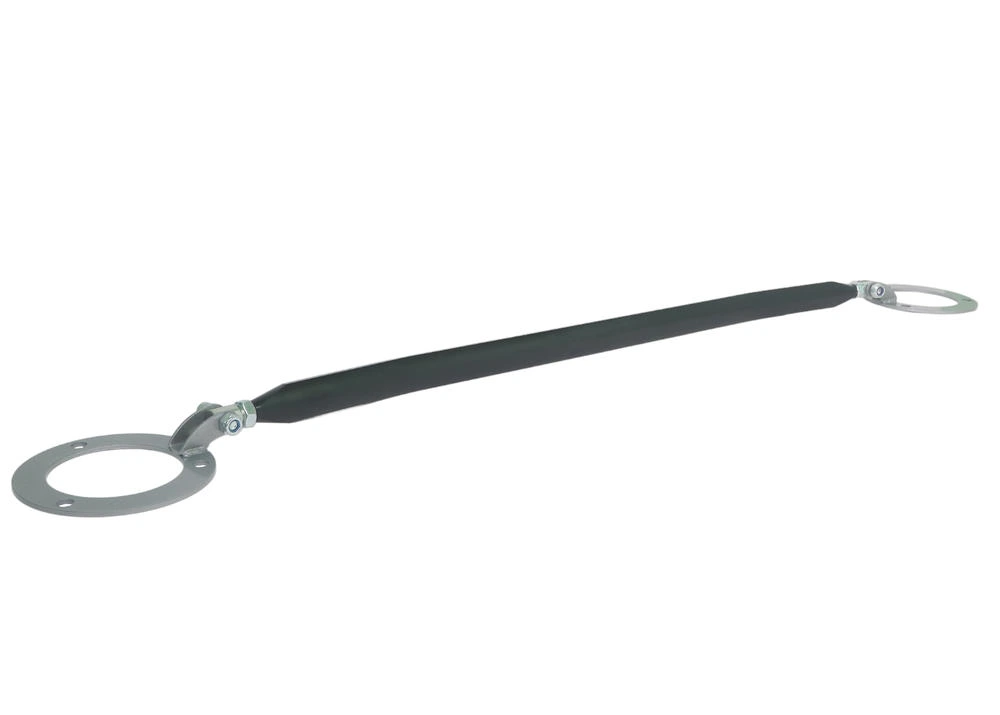
When a strut brace is worth it
Your car has strut front suspension
Most Australian performance favourites, from Commodores and Falcons of certain generations to WRXs, Evos and countless hatchbacks, use MacPherson struts up front. The strut top bolts straight into the tower, so tower flex directly affects wheel position.
The car has a few kilometres on it
Bodies soften over time, especially after years of spirited driving on rough roads. A brace helps restore some of the tightness the car had when it was new.
You’ve added grip elsewhere
Stickier tyres, firmer springs and upgraded sway bars all send more load into the towers. A brace stops the body becoming the weak link in a well sorted setup.
When it’s less worth it, for now
If your car still has worn rubber bushes, soft factory sway bars or a tired alignment, fix those first, because they have a far bigger effect on how the car handles. A brace on top of worn bushes will barely register. And on some modern cars with very stiff structures, or double wishbone front suspension, the towers move so little that the gain is modest.
Is a strut brace worth it? Quick guide
|
Your situation |
Worth fitting a brace? |
Better first step |
|
Strut front car, upgraded tyres and suspension |
Yes |
Fit the brace |
|
High kilometre strut car |
Yes |
Check bushes, then brace |
|
Worn bushes and soft sway bars |
Not yet |
Bushes and sway bars first |
|
Very stiff modern platform |
Modest gain |
Suspension upgrades first |
|
Double wishbone front suspension |
Smaller gain |
Depends on the platform |
Where a brace fits in your build
Think of a strut brace as the finishing step on a well sorted front end. Start with tyres and a proper wheel alignment, replace worn rubber with polyurethane bushes, and fit adjustable sway bars to control roll. Our performance suspension kits cover springs, bars, links and bushes for many popular platforms. Then add the brace to tighten the result.
Getting the best result from a strut brace
Choose a brace designed for your exact vehicle, because tower spacing, mounting points and bonnet clearance vary. Fit it with the car on its wheels at normal ride height, never on a hoist with the suspension hanging, and don’t force it to reach the mounts. Torque everything to specification, check bonnet clearance and recheck the fasteners after a few hundred kilometres.
Getting value from a strut brace on rough Australian roads
Australian roads put a lot of repeated load through a car’s body, from corrugated country stretches to patched suburban bitumen and the odd pothole that seems to appear overnight. Those impacts travel up through the struts into the towers thousands of times on every drive. On a car that’s done plenty of kilometres on roads like these, a brace helps the front end stay tight and consistent, which is one reason they’re so popular with owners of older performance cars that are still driven regularly rather than kept in the garage.
FAQs
Looking for more information about whether a strut brace is worth it? Below we answer the most commonly asked questions
Is a strut brace worth it on a daily driver?
Do strut braces really make a difference?
Should I fit a strut brace before sway bars?
Does a strut brace affect ride comfort?
Do I need a wheel alignment after fitting a strut brace?
How long does a strut brace take to fit?
Find a brace engineered for your car in our strut braces range.


