
 AU
 United Kingdom
 Europe
 United States

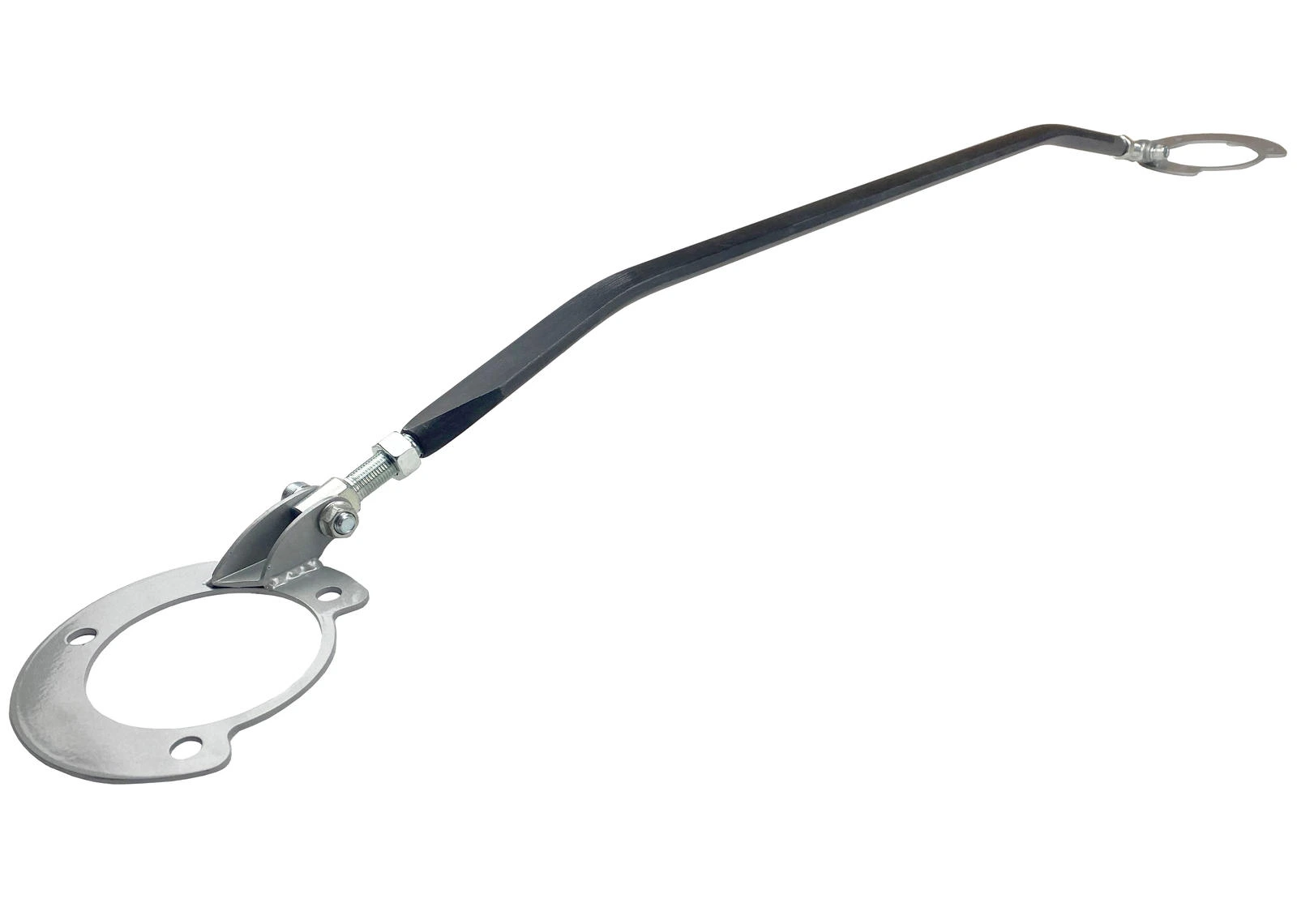

Strut bar, strut brace and strut tower brace are three names for the same part, a bar that connects the tops of the strut towers to reduce flex. An engine strut bar is different, though, and usually refers to an engine or torque damper that controls engine movement. Knowing the difference helps you buy the right part for your car.
Search for chassis bracing in Australia and you’ll see the terms strut bar, strut brace and strut tower brace used interchangeably on forums, in workshops and in parts catalogues. Then there’s the engine strut bar, which sounds similar but does a completely different job. Here’s how to tell them apart, so you know exactly what you’re getting when you browse our strut braces.
Are a strut bar and a strut brace the same thing?
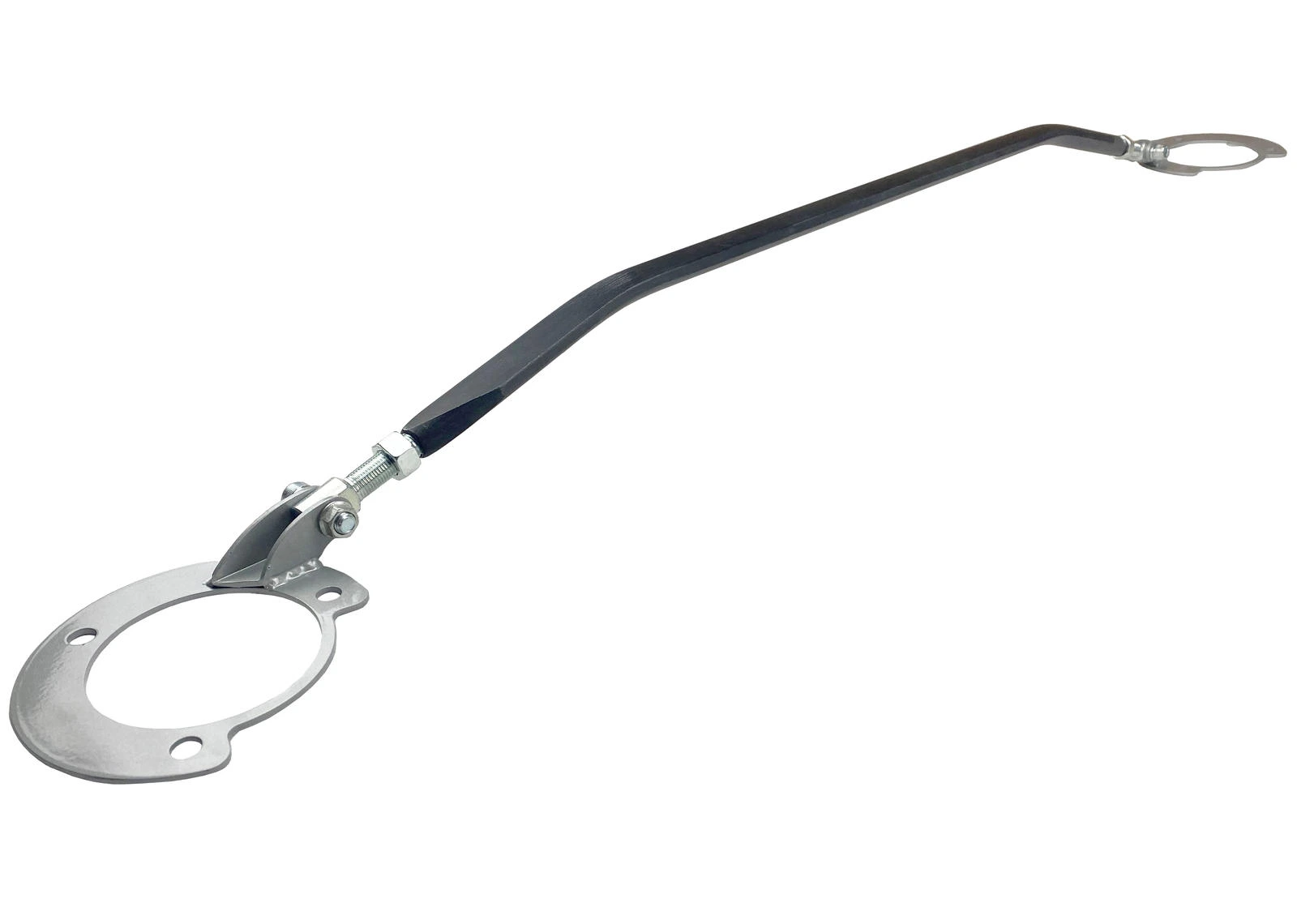
All three names describe exactly the same part. Whether it’s called a strut bar, strut brace, strut tower bar or strut tower brace, what you’re buying is a rigid bar that bolts to the tops of the left and right strut towers. Its job is to stop the towers flexing independently, so the suspension geometry stays more consistent under load.
The naming tends to vary by region and by who’s talking. Enthusiasts often say strut bar, catalogues often say strut brace, and some manufacturers use strut tower brace to be specific about where it mounts. They all mean the same thing.
What is an engine strut bar?
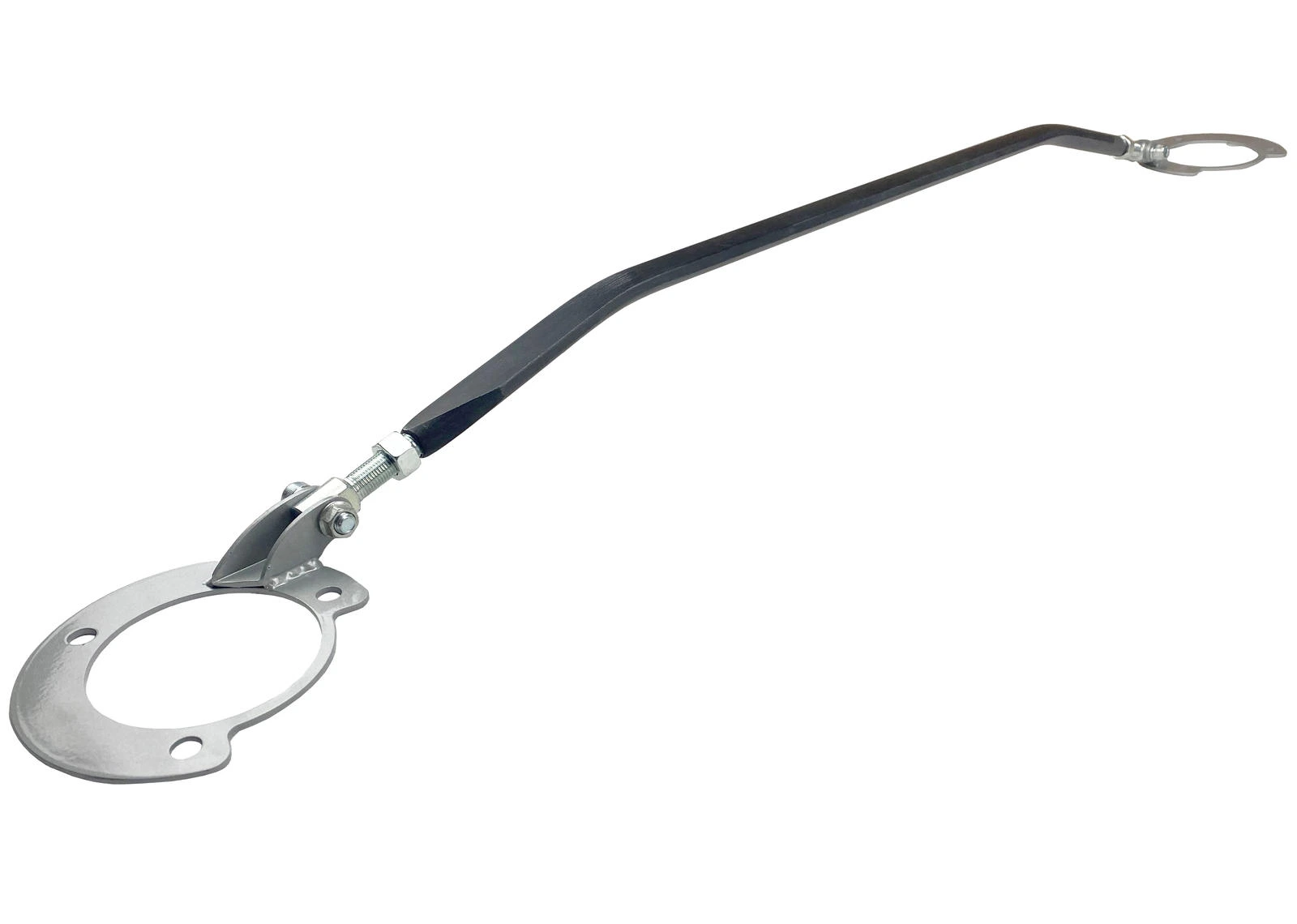
An engine strut bar, sometimes called an engine torque damper or torque strut, is a different part altogether. It links the engine to the body or a crossmember to limit how much the engine rocks on its mounts under acceleration and gear changes. Reducing that movement can sharpen throttle response and reduce wheel hop on some cars, particularly front-wheel drive cars with transverse engines.
It doesn’t brace the strut towers, and it doesn’t directly affect suspension geometry. If you’re after better steering precision and steadier camber, you want a strut tower brace, not an engine strut bar.
The terms compared
|
Term |
What it is |
What it does |
|
Strut bar |
Bar across the strut towers |
Reduces tower flex |
|
Strut brace |
Same as a strut bar |
Reduces tower flex |
|
Strut tower brace |
Same as a strut bar |
Reduces tower flex |
|
Front strut brace |
Brace across the front towers |
Steadier front camber, crisper turn-in |
|
Rear strut brace |
Brace across the rear towers |
Rear stability on suitable cars |
|
Engine strut bar or torque damper |
Link from engine to body |
Limits engine movement |
Front and rear strut braces
Most strut braces are fitted at the front, where the towers carry steering, braking and cornering loads at the same time. Some cars also benefit from a rear brace, particularly hatchbacks, wagons and cars with strut rear suspension, because there’s less structure around the rear towers. We list front braces for a wide range of vehicles and rear braces for selected platforms where they make a real difference.
Universal vs vehicle-specific strut braces
Some strut bars are sold as universal parts with adjustable lengths. Tower spacing, mounting stud patterns and bonnet clearance vary between cars, though, so a universal bar can be a compromise. Our strut braces are designed for specific vehicles, matching the mounting points and clearance so the brace drops into place and works as intended. Each listing states whether it includes the brace only or extra hardware such as bolts, washers, nuts or brackets.
How to choose the right part
Ask what you want to fix. If the front end feels soft on turn-in, the car loses bite part way through long corners, or you’ve fitted stickier tyres and upgraded suspension, a front strut brace is the right part. If the engine rocks noticeably under load or the car suffers wheel hop on launch, look at engine mounts or a torque damper instead. Many cars benefit from both, but they solve different problems.
FAQs
Looking for more information about strut bars and strut braces? Below we answer the most commonly asked questions
Is a strut bar the same as a strut brace?
What is an engine strut bar?
Which is better, a strut bar or a strut brace?
Do I need a front or rear strut brace?
Are universal strut bars as good as vehicle-specific ones?
Does an engine strut bar improve handling?
Find the right brace for your vehicle in our strut braces range.


