
 AU
 United Kingdom
 Europe
 United States

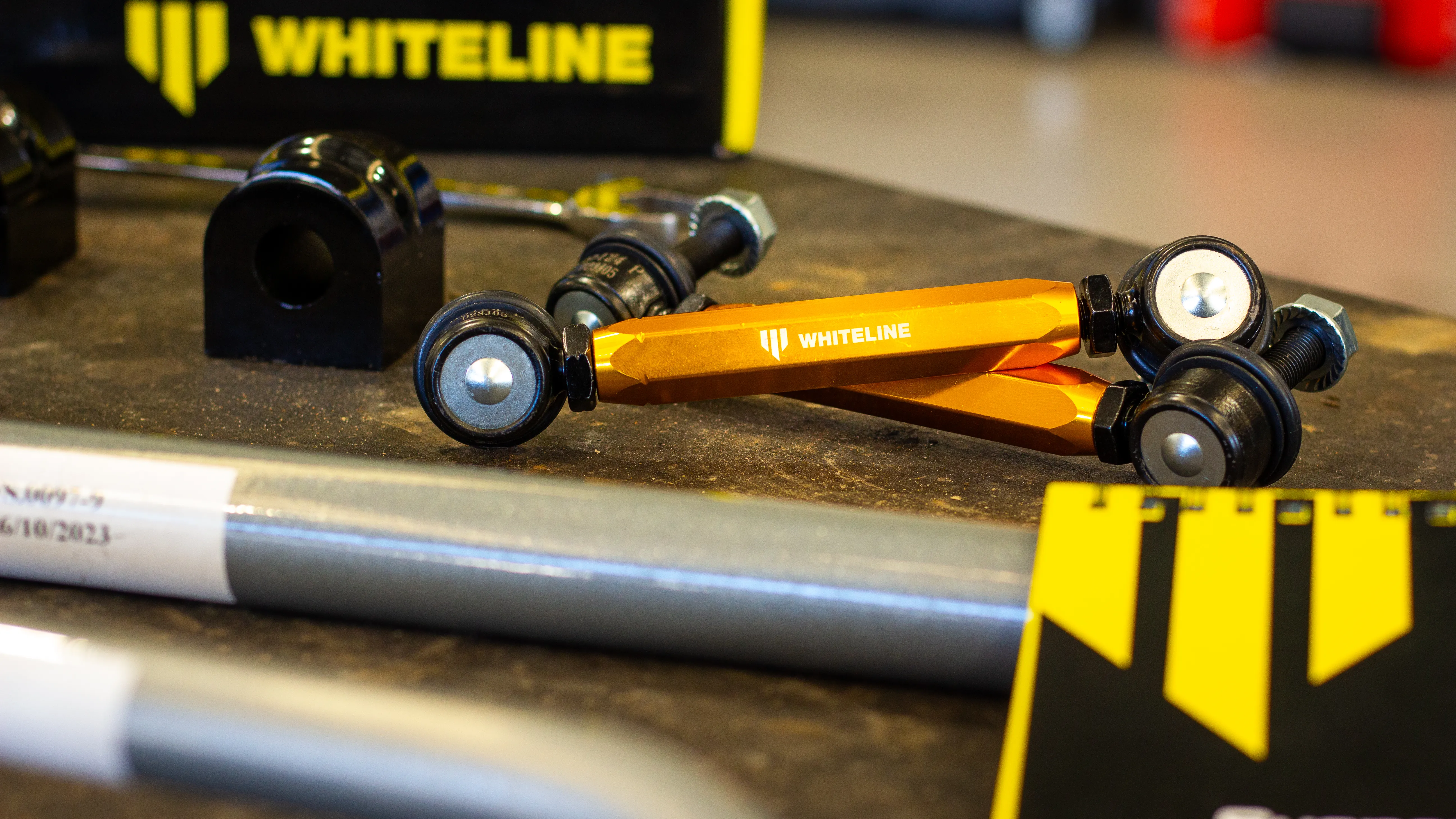

Lifting a 4x4 increases the distance between the sway bar and the suspension, so factory links can end up too short. The bar then sits at a poor angle, works less effectively, may bind at full droop and wears the link joints quickly. Longer or adjustable sway bar links restore the correct geometry, keeping the 4x4 stable on the bitumen and protecting the joints off-road.
A lift kit transforms a 4x4’s clearance and capability, but it also changes the geometry of almost everything attached to the suspension, including the sway bar links. Many owners only discover the problem when their new lift starts knocking, wandering or chewing through links. Here’s why lifted 4x4s need the right links, and how our sway bar links help.
What a lift does to sway bar links
The sway bar mounts to the chassis, and the links connect it to the suspension. When you lift a 4x4, the chassis rises relative to the axles and control arms, so the distance between the bar and its suspension mounting points increases.
With factory links, the bar’s arms are pulled downwards to reach the suspension. That leaves the bar sitting at a steeper angle, sometimes preloaded, and the links themselves may be close to the limit of their joint travel.
Problems with factory links on a lifted 4x4
Reduced roll control
A link at a poor angle transmits less suspension movement into twisting the bar, so the sway bar does less to control body roll on the bitumen.
Binding at full droop
When the suspension drops fully, for example over a crest or off-road, short links can reach the end of their joint travel and bind, which can damage the joints or the bar.
Faster wear and knocks
Joints working near their limits wear faster, leading to clunks and rattles on corrugations.
Uneven handling
A preloaded bar can make the vehicle sit or handle differently from side to side.
Factory links vs correct links on a lifted 4x4
|
Factor |
Factory links |
Longer or adjustable links |
|
Bar angle |
Steep, possibly preloaded |
Restored |
|
Roll control on the bitumen |
Reduced |
Full |
|
Joint travel at full droop |
Can bind |
Within range |
|
Joint life |
Shorter |
Longer |
|
Knocks on corrugations |
More likely |
Less likely |
How to choose the right links
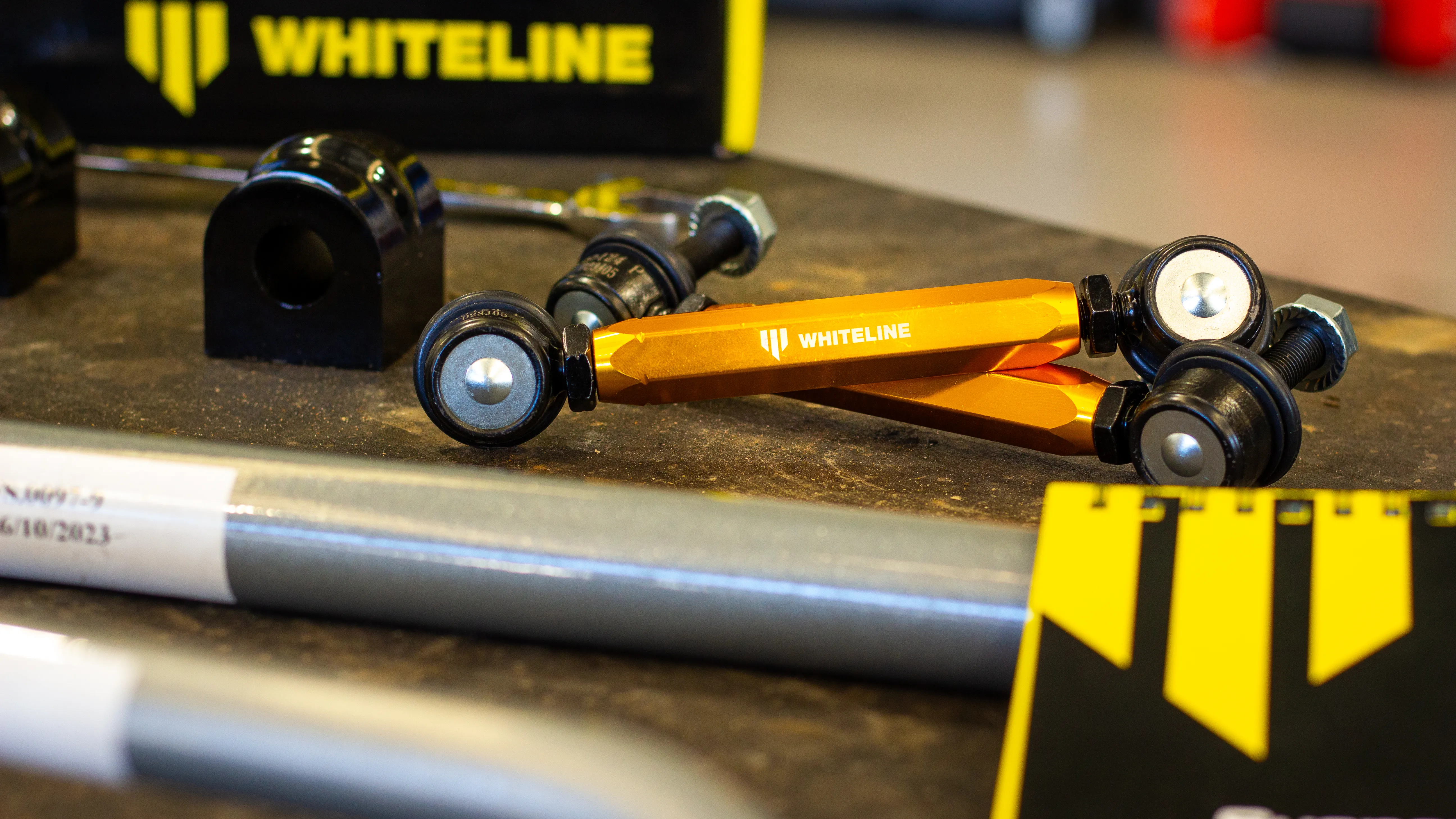
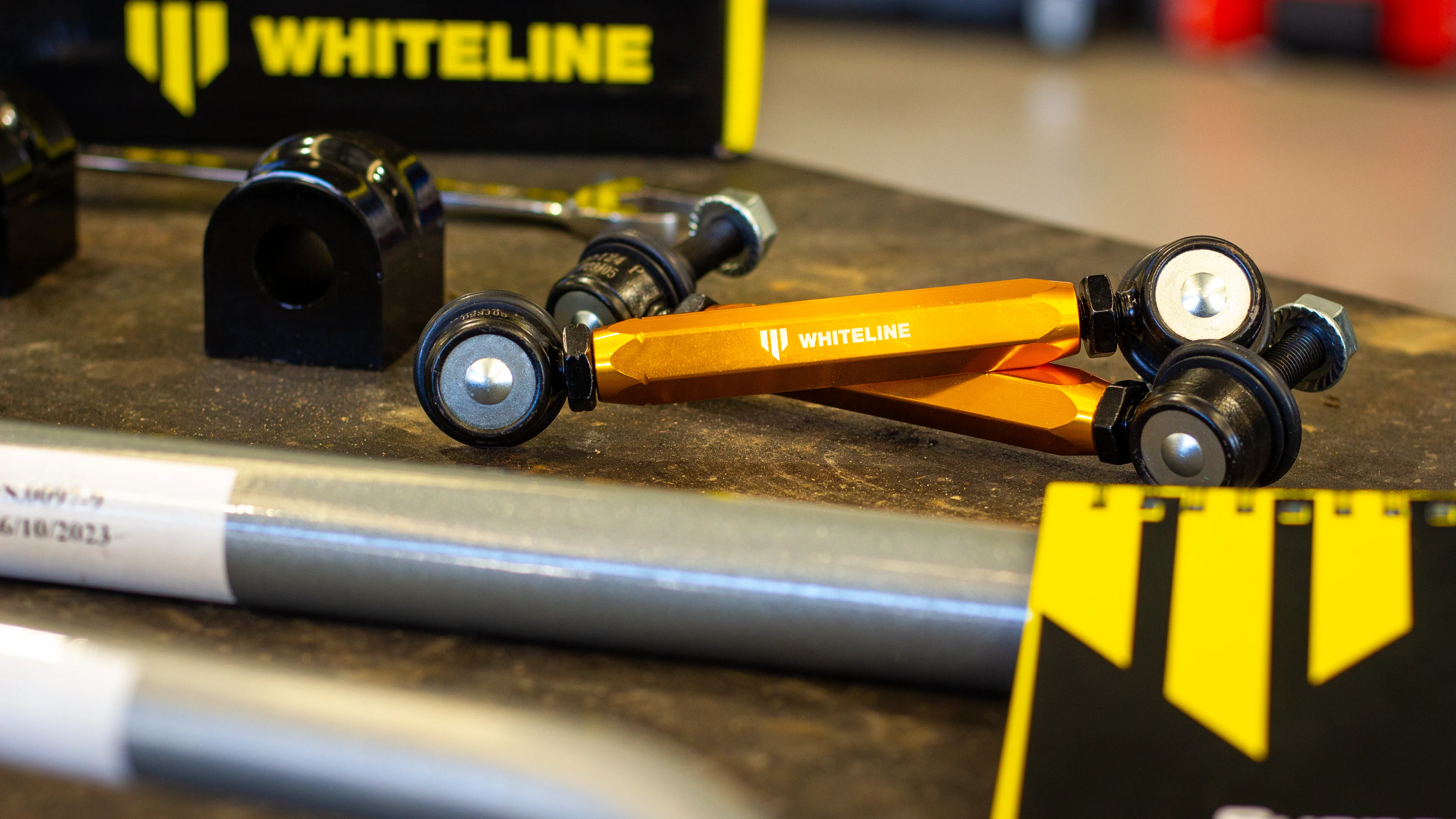
Measure the distance between the sway bar mounting point and the suspension mounting point with the vehicle at its new ride height and the bar level or in its intended neutral position. That gives you the link length you need. Adjustable links make this easier, because you can fine-tune the length once fitted.
We offer adjustable front sway bar links for popular 4x4s such as the Toyota Hilux, Prado and FJ Cruiser, along with links for other platforms. Check the listing for your vehicle and lift height.
Setting adjustable links on a lifted 4x4
Park the vehicle on level ground at its normal ride height. Connect the link to one mounting point and adjust its length until the other end fits its mount without pushing or pulling the bar. Repeat the process on the other side, then check the suspension at full droop, by jacking the chassis safely until the wheels hang, to make sure the links don’t bind and nothing contacts the brake lines or tyres.
What about disconnecting the sway bar off-road?
Some off-roaders disconnect the front sway bar for maximum articulation on slow, technical tracks. If you do, reconnect it before returning to the road, because the vehicle will lean and sway much more at speed without it. Correctly sized links make reconnecting easier and keep the bar working properly on the drive home.
Checking links after off-road trips
Lifted 4x4s work their links hard on corrugations, rocky tracks and water crossings. After a big trip, check each link for play, look for split boots and make sure the nuts are still tight. Mud and sand packed around the joints speeds up wear, so rinse the underside once you’re home. Catching a worn link early keeps the 4x4 stable on the drive back to work on Monday.
FAQs
Looking for more information about sway bar links for lifted 4x4s? Below we answer the most commonly asked questions
Do I need longer sway bar links after lifting my 4x4?
What happens if I keep factory links on a lifted 4x4?
Are adjustable sway bar links good for lifted 4x4s?
How do I measure for sway bar links after a lift?
Can short links damage the sway bar?
Do I need a wheel alignment after fitting new sway bar links?
Keep your lifted 4x4 stable and quiet with our sway bar links.


