
 AU
 United Kingdom
 Europe
 United States

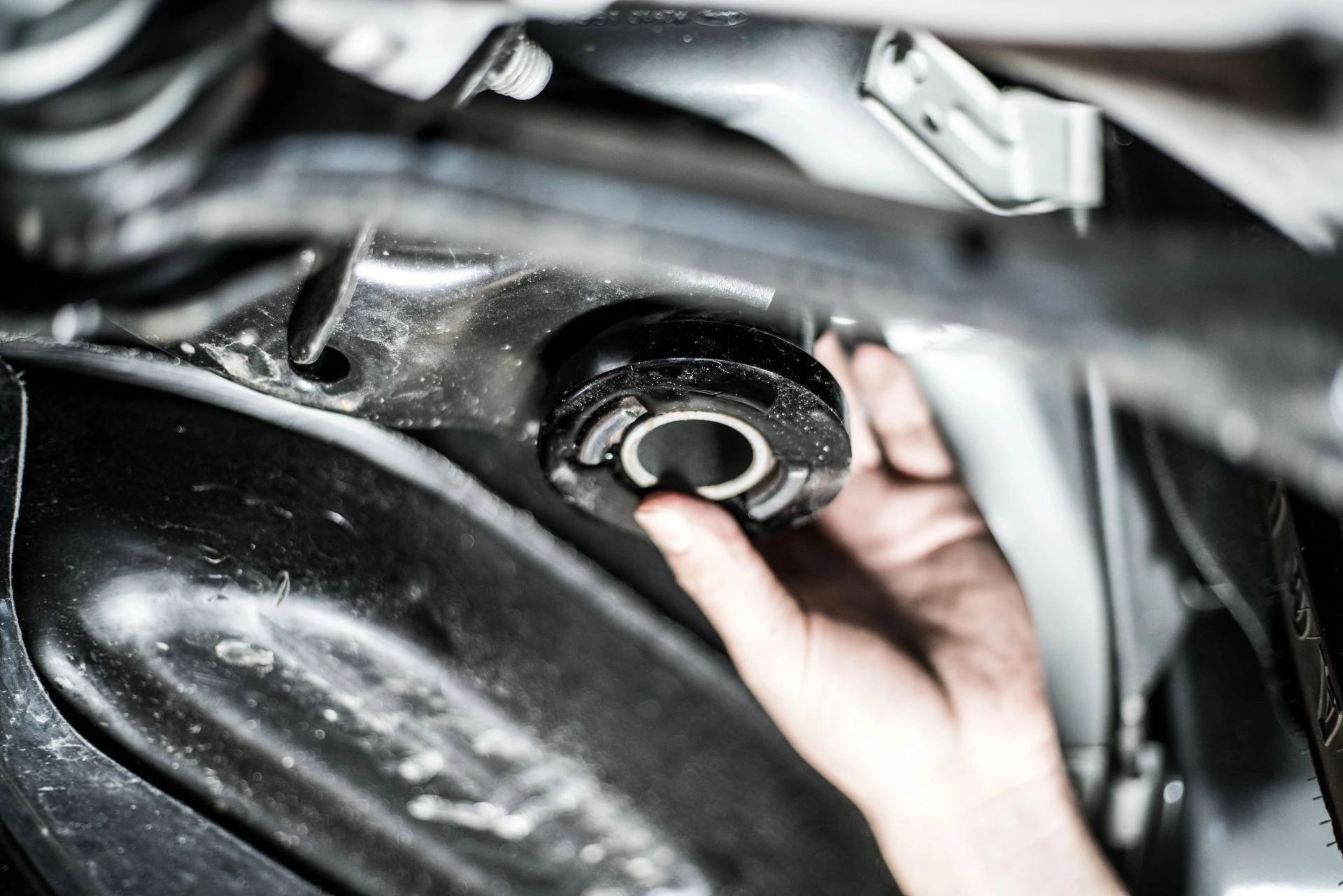

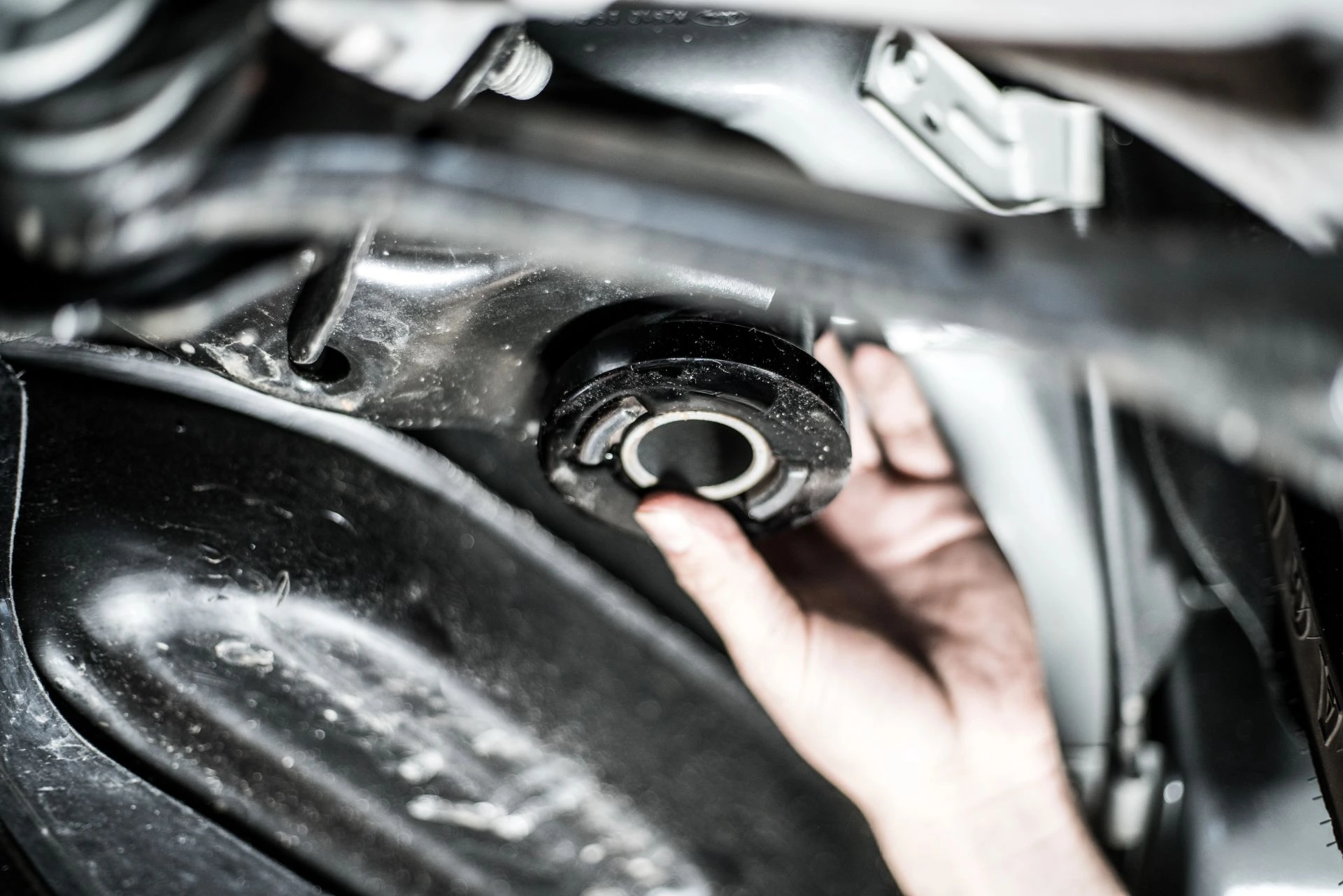
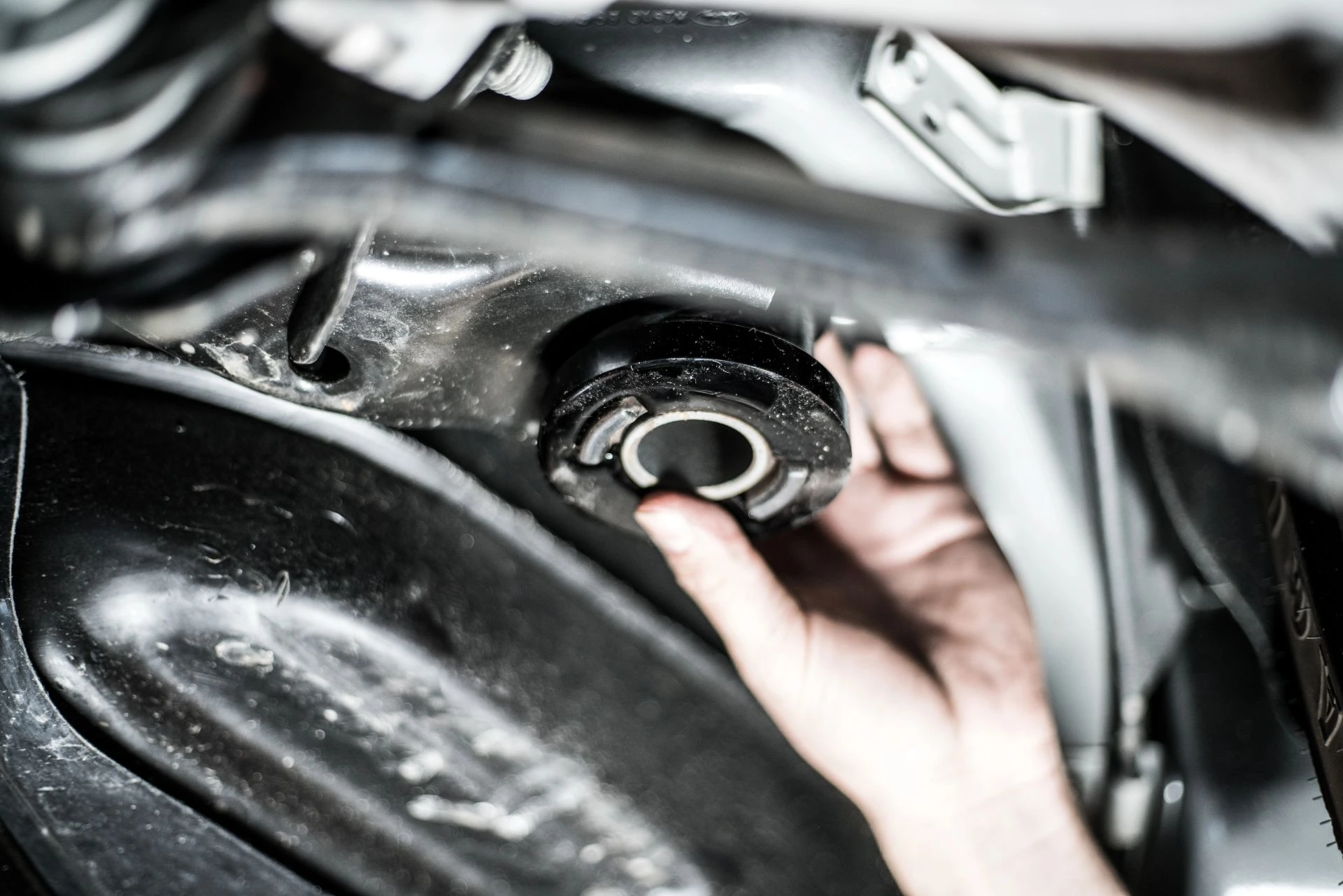
Trailing arm bushes locate the rear wheels front to back and help control how the rear suspension moves under acceleration, braking and cornering. When they wear, the rear can feel loose, shift or steer itself under load, clunk over bumps and suffer wheel hop. Polyurethane trailing arm bushes restore firm, predictable rear location and last much longer than rubber.
Rear suspension bushes don’t get as much attention as front ones, but on many cars the trailing arm bushes have a big say in how stable and predictable the car feels. They’re a common wear point on popular Australian performance cars, from rear-drive sedans to all-wheel drive turbo hatches. Here’s what trailing arm bushes do, how to spot worn ones and how our polyurethane suspension bushes improve on factory rubber.
What is a trailing arm?
A trailing arm runs forward from the rear wheel hub to a mounting point on the body or subframe, ahead of the wheel. It locates the wheel front to back and, depending on the suspension design, can help control toe and camber too. Trailing arms are used in many independent and semi-independent rear suspensions, as well as some multi-link designs.
The arm pivots on a bush at its front mount, and sometimes at the hub end as well. Those bushes have to allow the arm to move up and down while resisting fore-aft movement under acceleration and braking.
Signs your trailing arm bushes are worn
A loose or shifting rear end
Worn bushes let the rear wheels move under load. The car can feel as though the rear is steering itself, particularly when accelerating out of a corner or changing lanes.
Wheel hop
On powerful cars, worn trailing arm bushes allow the rear axle to wind up and release under hard acceleration, causing wheel hop.
Clunking from the rear
A knock from the rear when accelerating, braking or going over bumps can point to worn trailing arm bushes.
Instability under braking
If the rear wheels shift under braking, the car can feel less stable, especially on uneven roads.
Uneven rear tyre wear
Movement in the rear geometry can cause the rear tyres to wear unevenly.
Rubber vs polyurethane trailing arm bushes
|
Factor |
Factory rubber |
Whiteline polyurethane |
|
Rear wheel location |
Softer, more movement |
Firmer, more precise |
|
Stability under acceleration |
Reduces with wear |
Improved |
|
Wheel hop resistance |
Lower |
Higher |
|
Lifespan |
Common wear item |
Long lasting |
|
Warranty |
Varies |
Lifetime |
Why polyurethane suits trailing arm bushes
Trailing arm bushes see big, repeated loads every time you accelerate and brake. Polyurethane resists deflection, so the arm stays where it should be and the rear wheels keep their alignment under load. That gives a more planted, predictable rear end and helps reduce wheel hop on powerful cars.
Polyurethane also resists heat, oil and road grime, so it lasts much longer in the conditions rear bushes live in. Many of our trailing arm bushes are designed specifically for each vehicle, balancing precision with ride comfort.
Which cars commonly need trailing arm bushes?
Trailing arm bushes are a regular replacement on many Australian favourites, including rear-drive sedans with independent rear suspension, all-wheel drive turbo cars that put a lot of torque through the rear and older hatchbacks with semi-trailing or trailing arm rear ends. Search by vehicle to see the trailing arm bushes we offer for your car.
Fitting trailing arm bushes
Trailing arm bushes are often pressed into the arm or into a mounting bracket, so fitting usually involves removing the arm. Clean the housing thoroughly, apply the correct grease to the polyurethane bush and sleeve, press or fit the bush in the correct orientation and tighten the bolts to specification with the car at ride height. A four-wheel alignment afterwards is recommended, because rear geometry can change when the arm is refitted.
While the rear is apart, inspect the other rear bushes, including subframe, control arm and diff bushes, because they often wear at a similar rate.
FAQs
Looking for more information about trailing arm bushes? Below we answer the most commonly asked questions
What do trailing arm bushes do?
What are the signs of worn trailing arm bushes?
Can worn trailing arm bushes cause wheel hop?
Are polyurethane trailing arm bushes worth it?
Do I need an alignment after replacing trailing arm bushes?
Should I replace other rear bushes at the same time?
Bring back a planted, predictable rear end with our polyurethane suspension bushes.


