
 AU
 United Kingdom
 Europe
 United States

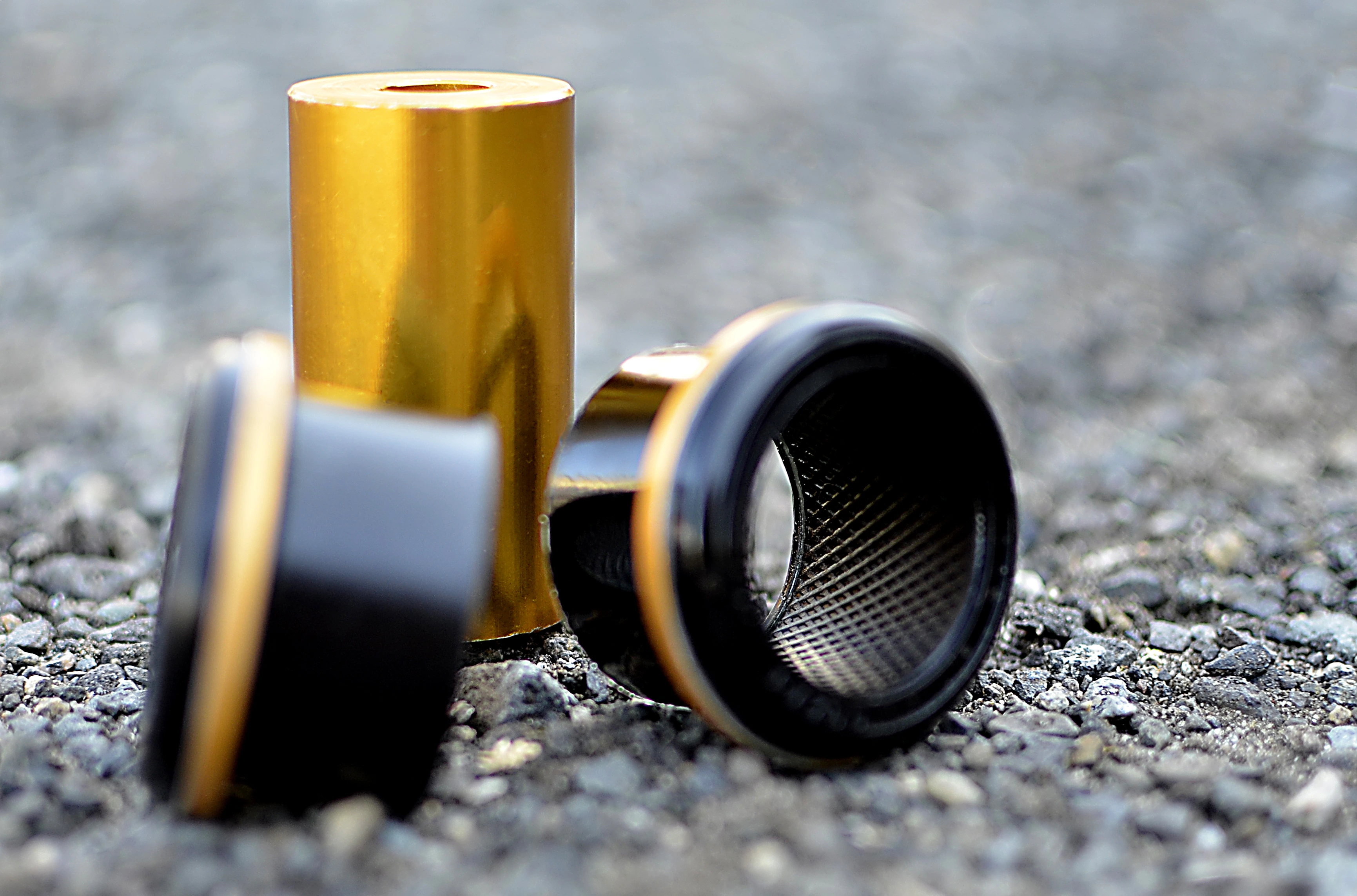

The best bushes for a track car are firm polyurethane bushes in the front control arms, sway bar mounts, rear subframe and differential, chosen in a harder compound than a street car would run. They hold alignment through high lateral and braking loads, stay consistent as they heat up and remain usable on the drive home.
A track day is the fastest way to find out what your suspension is really doing. Loads that never show up on the commute arrive every corner, and any bushing that lets the geometry move costs you grip, confidence and time. Building a car for the circuit means picking the right bush for each position and the right compound for how hard you push. We develop our suspension bushes with track testing and data logging, so here is how we would set up the bushes on a car that sees regular circuit work.
What does a track car need from its bushes?
On the street, a bush spends most of its life handling small inputs. On a circuit, the same bush carries sustained cornering loads, heavy braking from high speed and kerb strikes, often all within a few seconds. A track car bushing has to keep camber, toe and caster stable through all of that, so the tyre contact patch stays flat and the grip you paid for is actually available.
Consistency matters just as much as outright stiffness. A bush that holds its shape on lap one but softens by lap eight gives you a car that changes beneath you during a session. The best bushes for track use keep their stiffness as they warm up, rotate freely without binding, and survive the occasional off without cracking.
Should a track car run a firmer polyurethane compound?
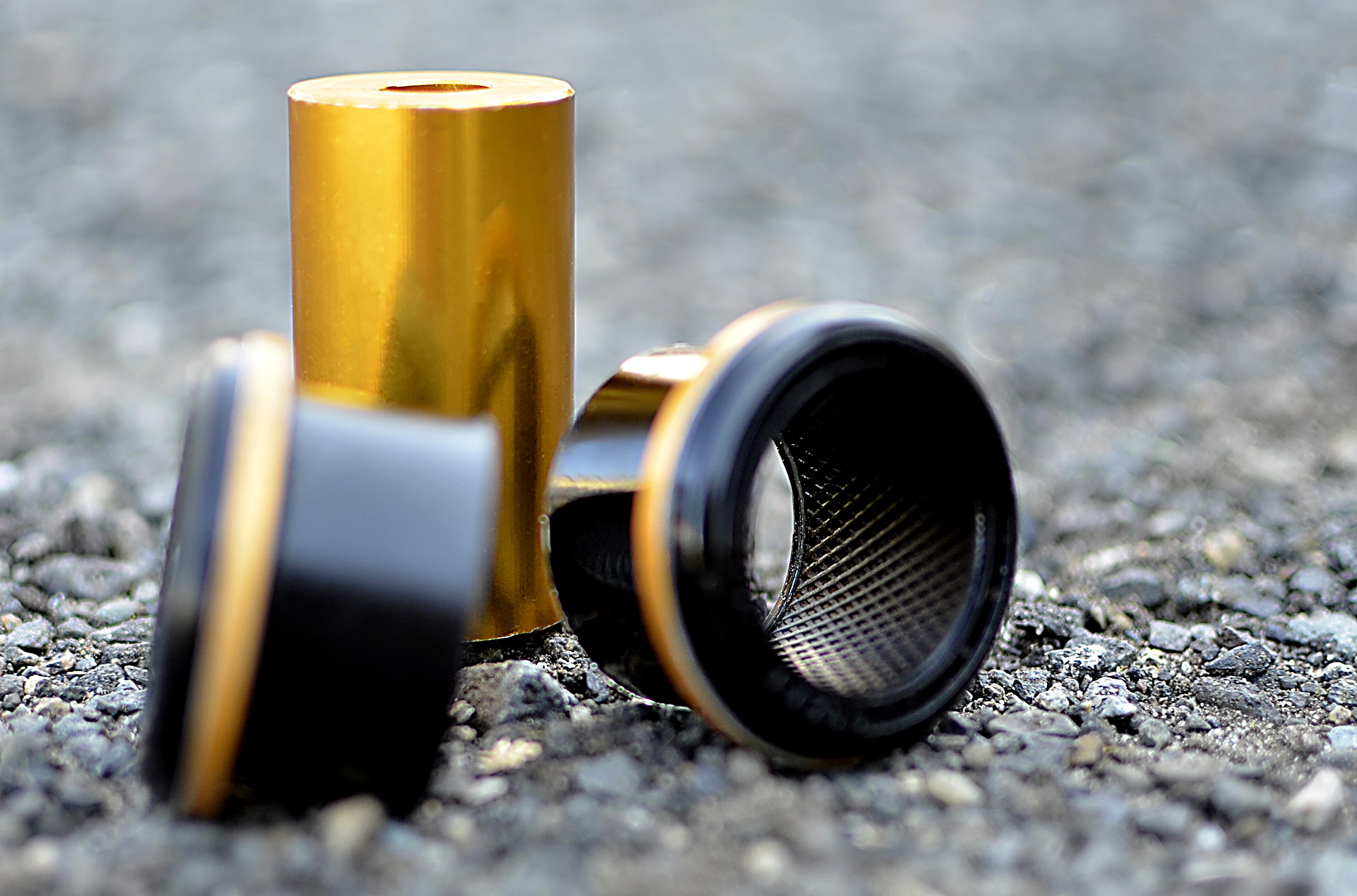
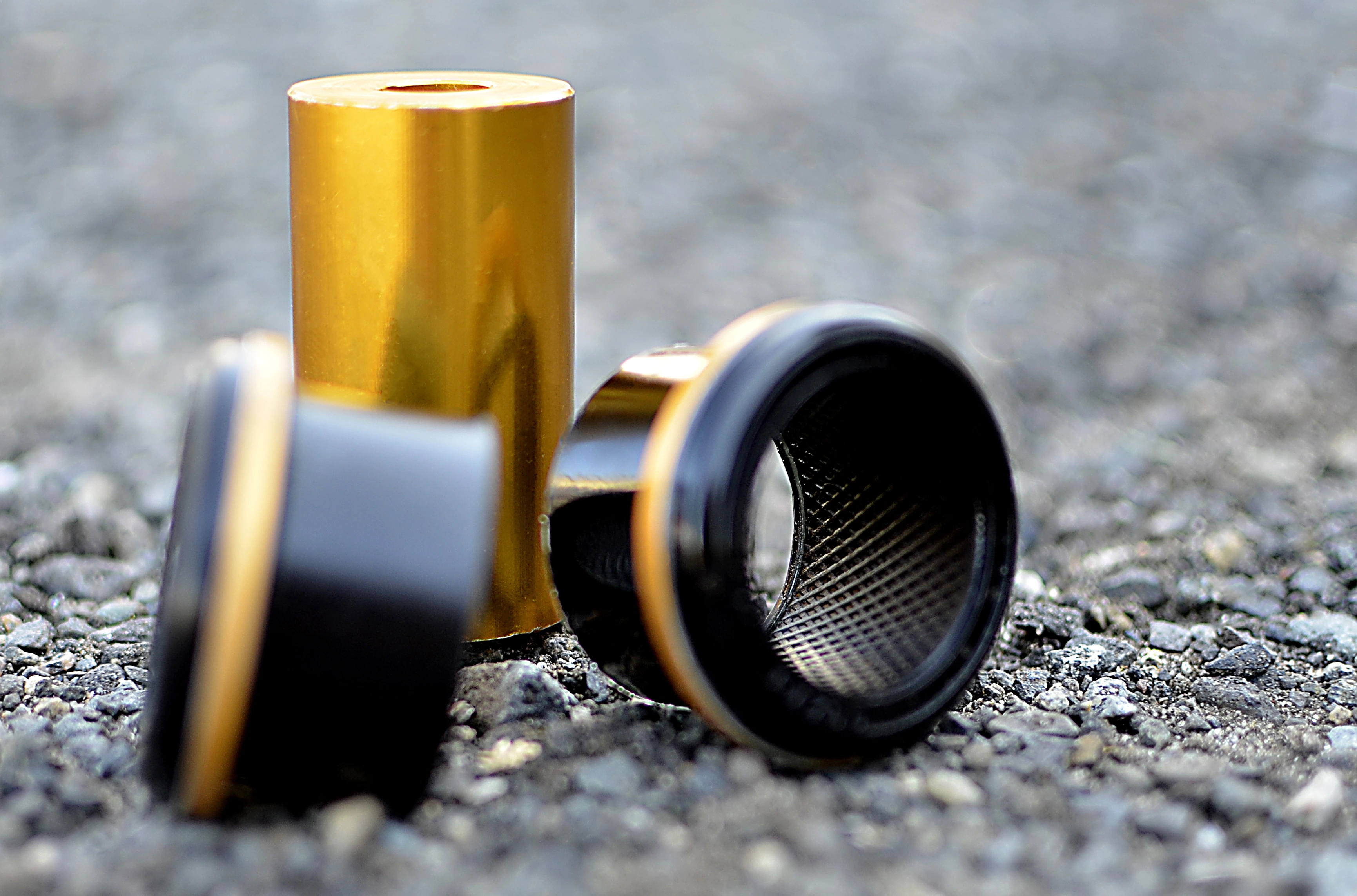
For most track day cars the answer is yes. Our street formulations are tuned for a balance of control and comfort, while our firmer formulations are built specifically for track use. A harder compound resists deflection further under sustained load, which sharpens turn in and keeps the car settled mid corner.
The trick is placing that firmness where it pays off. The front control arms, sway bar mounts and driveline mounts reward a harder bush. Positions that need to articulate through large movements, such as some rear trailing arms, can bind if they are too hard, so they suit a slightly softer compound. Our guide to polyurethane bush hardness explains how we choose compounds position by position.
Which bush positions matter most on track?
These are the positions that make the biggest difference to lap times on most circuit cars.
Front lower control arm bushes
They control camber and caster under braking and cornering, so they set how quickly the car turns in and how stable it feels on the brakes. Our front lower control arm bushes guide covers them in detail, including caster correction options that add front end bite.
Sway bar mount bushes
A sway bar can only control body roll once its mounts stop moving. Firm sway bar bushes make the bar work from the first degree of roll, which sharpens transitions through quick direction changes. See our sway bar bushes guide for more.
Rear subframe, trailing arm and differential bushes
On powerful rear and all wheel drive cars, these locate the driveline and rear wheels under acceleration. Firm bushes here stop rear steer, axle shuffle and wheel hop out of slow corners, so the car puts power down cleanly. Our guides to trailing arm bushes and diff bushes go deeper on each.
Steering rack bushes
Soft rack mounts let the rack move before the wheels do, which adds vagueness at the limit. Firm rack bushes tighten the connection between your hands and the front tyres.
When should a track car move to spherical or solid bushes?
Spherical bearings and solid aluminium mounts remove compliance completely, which is why dedicated race cars use them. They also transmit every vibration into the chassis, wear quickly with road grit and need frequent inspection.
If your car is registered and driven to the circuit, firm polyurethane gives you nearly all of the control with none of the daily compromise. Spherical joints only start to make sense once the car is trailered to events and comfort no longer matters. We compare every material in what’s the best suspension bushing.
Recommended bushes by how the car is used
|
Position |
Fast road car |
Regular track day car |
Dedicated race car |
|
Front lower control arm |
Street poly |
Firm poly with caster correction |
Firm poly or spherical |
|
Sway bar mounts |
Street poly |
Firm poly |
Firm poly |
|
Steering rack |
Street poly |
Firm poly |
Firm poly or solid |
|
Rear subframe |
Street poly |
Firm poly |
Solid or firm poly |
|
Differential mounts |
Street poly |
Firm poly |
Solid or firm poly |
|
Trailing arms |
Street poly |
Street or firm poly, by design |
Firm poly or spherical |
Treat it as a starting point rather than a rulebook, because the right mix depends on the platform, tyres and how much road driving the car still does.
How do you get the most from new bushes on track?
Fresh bushes locate the arms more accurately than worn ones, so always book a wheel alignment after fitting them. It is the ideal moment to add negative camber or extra caster for track use, which we cover in caster and camber adjustment bushes. Pairing firm bushes with an adjustable sway bar from our sway bar range lets you fine tune balance once the mounts are no longer soaking up movement.
Before each event, check your bushes for damage after any off track excursions, confirm the bolts are tight and regrease exposed positions if they have dried out. Our track day tips make a handy checklist, and you can read how a full bushing refresh transformed a car on circuit in our BRZ suspension overhaul.
FAQs
Looking for more information about track car bushes? Below we answer the most commonly asked questions
What are the best bushes for a track car?
Should I use street or track compound poly bushes?
Which bushes should I upgrade first for track days?
Do I need spherical bearings for track days?
Do track bushes make a car too harsh for the street?
How often should I check bushes on a track car?
Building a car for regular circuit work this season? Find the right bushes for your platform in our suspension bushes range and activate more grip.


