
 AU
 United Kingdom
 Europe
 United States

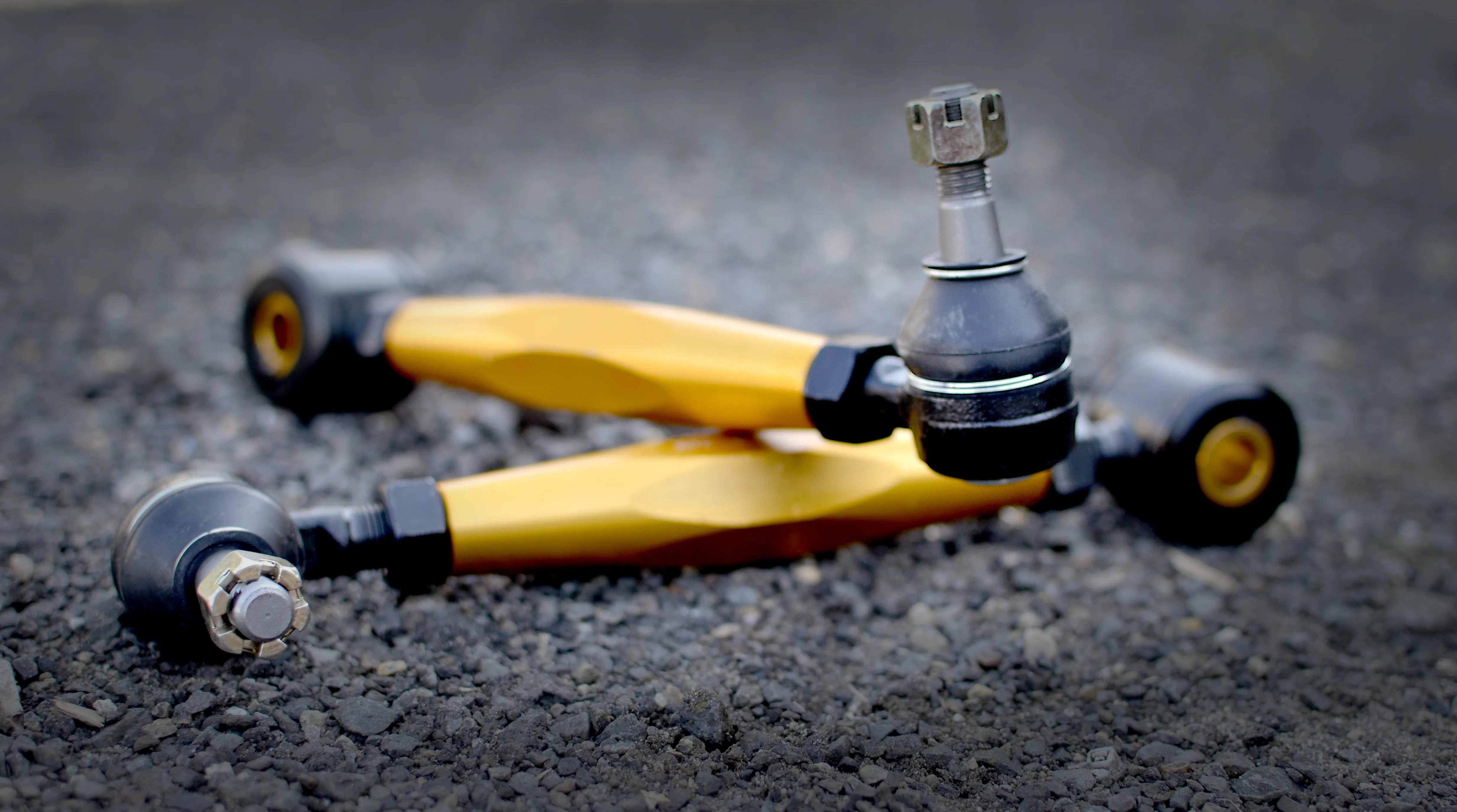

Worn sway bar links usually announce themselves with a knock or clunk over one-wheel bumps, a rattle on rough or corrugated roads, extra body roll, a looser feel in corners and lane changes, and visible signs such as split dust boots or play in the joints. They’re one of the most common causes of front-end noise on Australian cars, utes and 4x4s.
Sway bar links lead a hard life. They move every time one wheel rises or falls relative to the other, they sit right in the firing line of road spray and grit, and on Australian roads they cop plenty of potholes and corrugations. Eventually they wear, and when they do, the car tells you. Here’s how to recognise worn sway bar links and how our sway bar links put things right.
The tell-tale signs of worn links
A knock over one-sided bumps
When one wheel drops into a pothole or rolls over a driveway lip at an angle, the sway bar twists and any free play in the link joints is taken up with a knock. It’s the classic worn link symptom.
Rattles on rough roads
On corrugated dirt roads, patched bitumen or gravel, very worn links can rattle almost constantly.
Extra lean in corners
If the links can’t transmit load properly, the sway bar can’t control body roll, so the car leans more.
A loose, floaty feel
The vehicle may rock more in lane changes and take longer to settle after bumps.
Squeaks and creaks
Dry or damaged joints can squeak over speed humps or when turning slowly.
Visible damage
Split boots, grease leaking from the joints, a bent link body or noticeable play mean it’s time for new links.
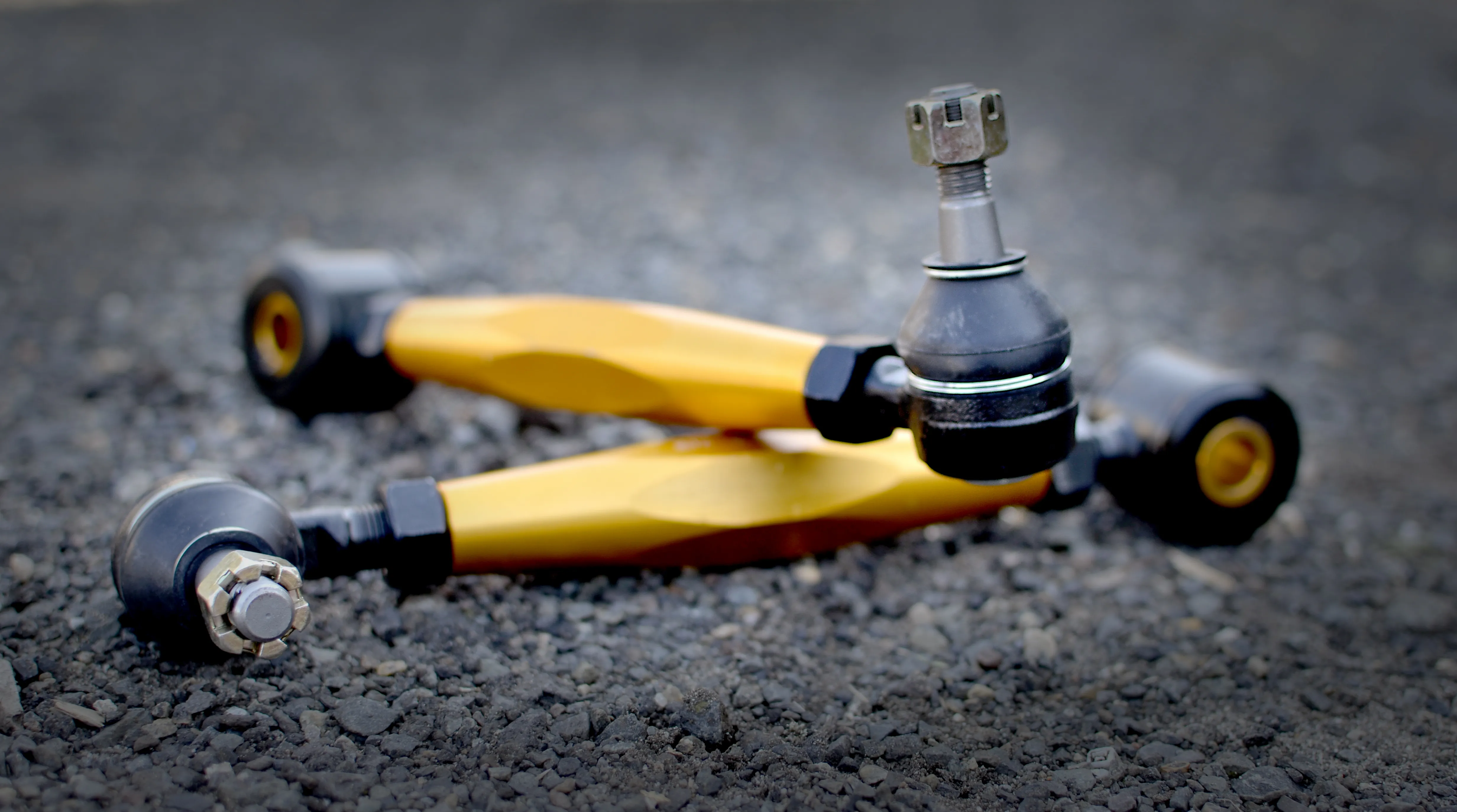
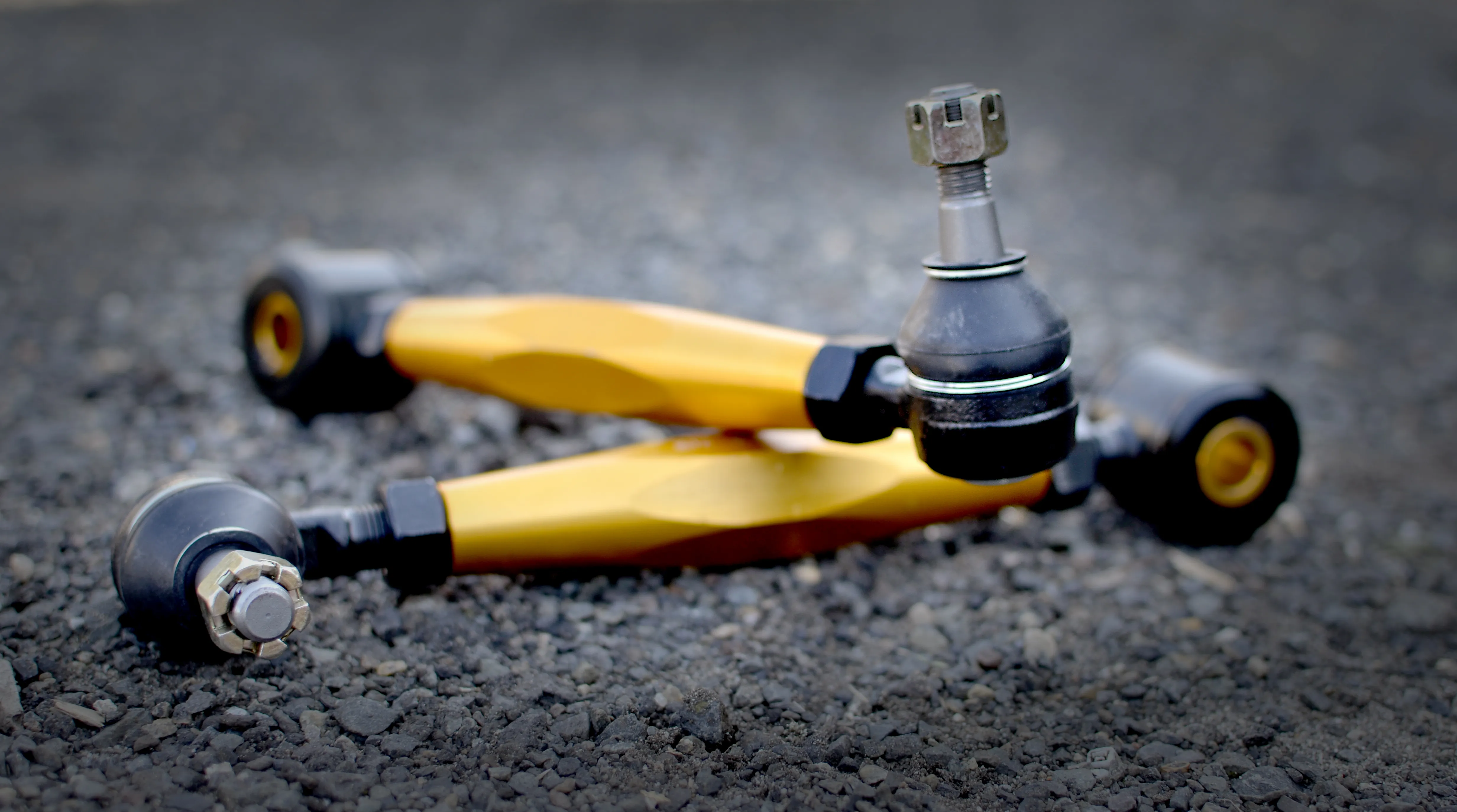
Symptoms and their usual cause
|
Symptom |
Usual cause |
|
Knock on one-wheel bumps |
Worn link ball joints or bushes |
|
Rattle on corrugations |
Very loose or broken link |
|
Sudden increase in body roll |
Broken link or detached joint |
|
Leans more one way |
One link broken |
|
Squeak over speed humps |
Dry or damaged joint |
|
Split dust boot |
Dust and water entering, wear accelerating |
How to check your sway bar links
With the vehicle safely supported and the suspension unloaded, grab each link and try to move it up, down and sideways. A healthy link won’t have any noticeable free play. Check the dust boots for splits and the joints for leaking grease, and look along the link body for bends. Having a mate rock the car from side to side while you watch each link is another quick way to spot movement.
Why links wear faster in Australia
Corrugated dirt roads, beach driving, river crossings and plenty of heat all take a toll. Dust and sand get into torn boots and grind away the joints, while water crossings and coastal salt speed up corrosion. On lifted 4x4s and lowered cars, factory-length links often sit at steep angles, which wears the joints faster still.
Is it something else?
Worn sway bar bushes, ball joints, tie rod ends and strut top mounts can make similar noises. Link knocks are usually loudest over one-sided bumps and often come from one corner. If you’re unsure, have a suspension specialist inspect the front end.
Fixing worn links
Replace worn links in pairs across the axle so both sides behave the same. Our links use high-strength alloy bodies, precision ball joints or bushes and corrosion-resistant finishes, with upgraded high-tensile hardware on many kits, so they stand up better to Australian conditions. On lowered or lifted vehicles, adjustable links let you set the correct length so the joints work within their range.
What happens if you ignore worn links
Worn links never improve on their own, as the play grows, the knocking gets louder and the sway bar does less to control body roll, so the car feels looser in roundabouts and lane changes. Eventually a joint can separate or a stud can snap, leaving that sway bar disconnected. Replacing links early keeps the handling consistent and avoids a loose link flapping near the tyres or brake lines.
FAQs
Looking for more information about worn sway bar links? Below we answer the most commonly asked questions
What are the symptoms of worn sway bar links?
How can I check my sway bar links?
What does a worn sway bar link sound like?
Why do my sway bar links keep wearing out?
Should I replace sway bar links in pairs?
Do I need a wheel alignment after replacing sway bar links?
Silence the knocks and restore your sway bar’s response with our sway bar links.


