
 AU
AU United Kingdom
 Europe
 United States
Whiteline Lowering Springs
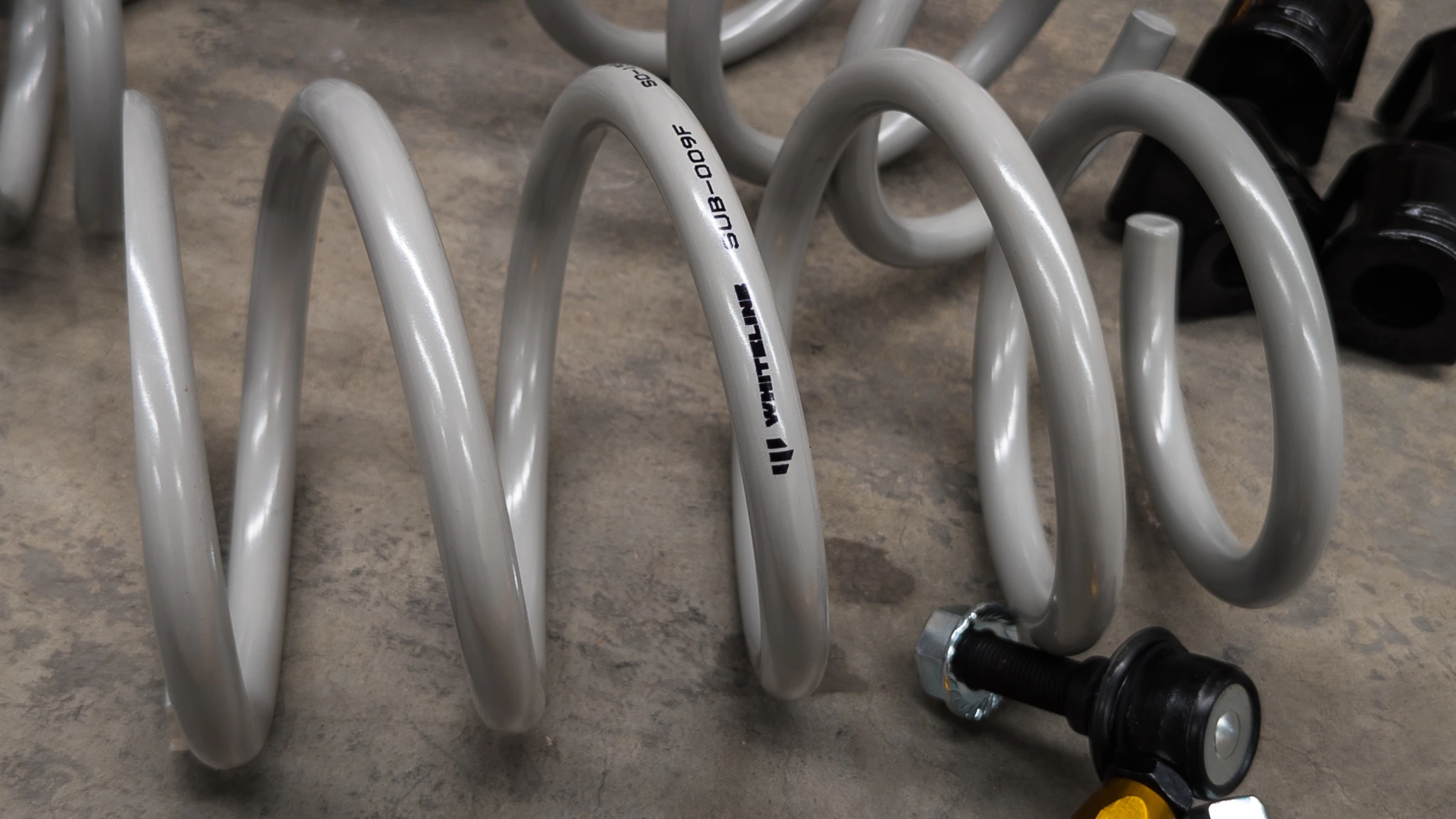
Australian roads demand more from a suspension setup than many people expect. One day it’s smooth motorway cruising, the next it’s a patched suburban street with sharp joins, coarse-chip surfaces, and uneven cambers that can unsettle a car quickly. Factory suspension is built to handle those conditions for the widest possible range of drivers, which is why many vehicles sit higher than they need to and feel softer than enthusiastic drivers prefer, especially when the road starts to twist.
Whiteline lowering springs are designed for drivers who want a sharper, more controlled feel and a cleaner stance, without turning the vehicle into something impractical for daily use. With the right spring set, the car sits lower, feels more settled through corners, and responds more cleanly to steering and braking inputs. Because lowering spring fitment is vehicle-specific, which helps ensure the spring set matches the correct platform and trim.
What Are Lowering Springs?
Lowering springs replace the original factory springs to reduce ride height and improve suspension control. While the visible change is the lower stance, the bigger change is how the spring behaves under load. Two factors matter most: the height of the spring and the spring rate.
Spring height influences how much the vehicle drops. Spring rate influences how strongly the spring resists compression. A factory spring is usually tuned for comfort and broad usability, so the chassis can move around more than a performance-minded driver wants. A performance spring is tuned to support the chassis more firmly, helping the vehicle feel more stable through corners and more controlled under braking.
Whiteline lowering springs are engineered for specific makes and models rather than being generic. Different vehicles have different axle weights, suspension designs, and handling balances, and those factors influence the spring rates and ride height changes that work best. That’s why choosing the correct application matters, and why the fitment listings inside Whiteline Lowering Springs Compatible Makes & Models are a practical part of the buying process rather than an afterthought.
What Will Lowering Springs Do?
The first change most people notice is the stance. The car sits lower, wheel gap reduces, and the vehicle looks more purposeful. The second change is the way the car feels when you drive it.
Lowering ride height reduces the centre of gravity, which can improve cornering stability and make the vehicle feel less top-heavy in quick transitions. Many factory setups allow excessive vehicle sway, especially when pushed harder through bends. A well-matched spring upgrade generally reduces that movement, so the chassis feels more settled and consistent mid-corner.
Steering response often becomes more direct because the chassis takes a set more quickly. The car can feel sharper on turn-in and more predictable through a sequence of corners. Under braking, the front end can feel calmer as well, particularly on vehicles that dive noticeably in factory form. On real-world Australian roads, that stability matters because uneven surfaces and mid-corner bumps can expose weak chassis control quickly.
The condition of the shocks plays a major role in how the upgrade feels. Healthy shocks help the spring do its job, while worn shocks can make any spring upgrade feel bouncy or unsettled. Lowering springs can still be installed with factory shocks in many cases, but the overall result depends heavily on the state of the suspension system.
Benefits of Whiteline Lowering Springs
Not all lowering springs are designed with daily street driving in mind. Some focus on achieving the lowest possible stance, which can look impressive but becomes frustrating on speed humps, steep driveways, shopping centre ramps, and broken surfaces. Whiteline lowering springs are commonly chosen because they target a more balanced outcome, improving both stance and control without making the vehicle difficult to live with.
A major benefit is stability. A more supported chassis often feels easier to drive smoothly, especially when the road surface is uneven. Another benefit is steering response. A spring set that reduces excessive movement can make the vehicle feel more precise, particularly when changing direction quickly. The upgrade can also improve confidence because the car tends to behave more consistently, rather than leaning heavily and then suddenly taking a set.
Whiteline lowering springs are also designed to work as part of a broader handling system. Many owners start with springs and later improve other suspension components to refine the setup. Others prefer a complete approach from the start, and Whiteline Performance Suspension Kits include lowering springs as part of an all-in-one handling upgrade even though they are not purely lowering spring products.
What Are the Negatives of Lowering Springs?
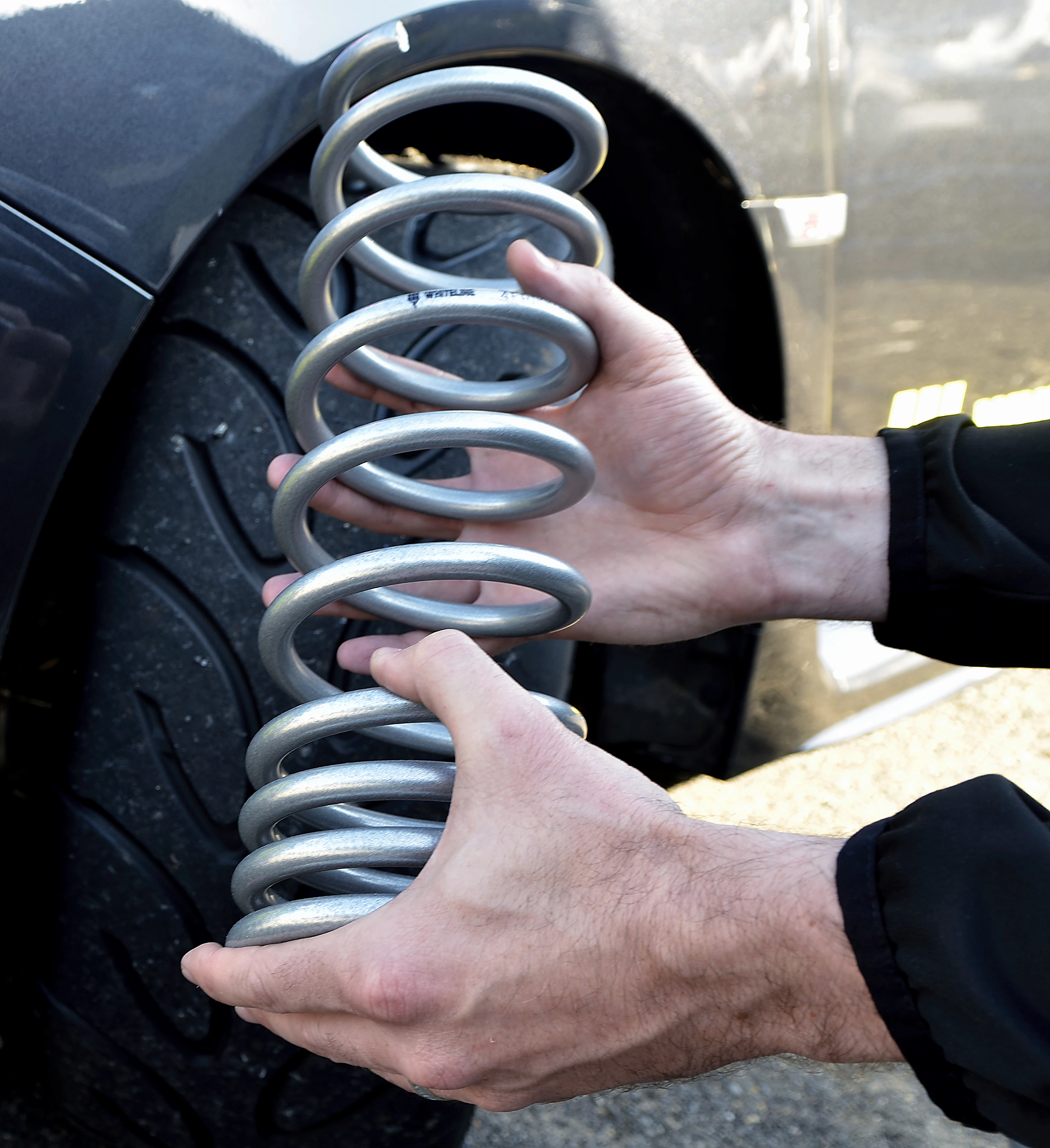
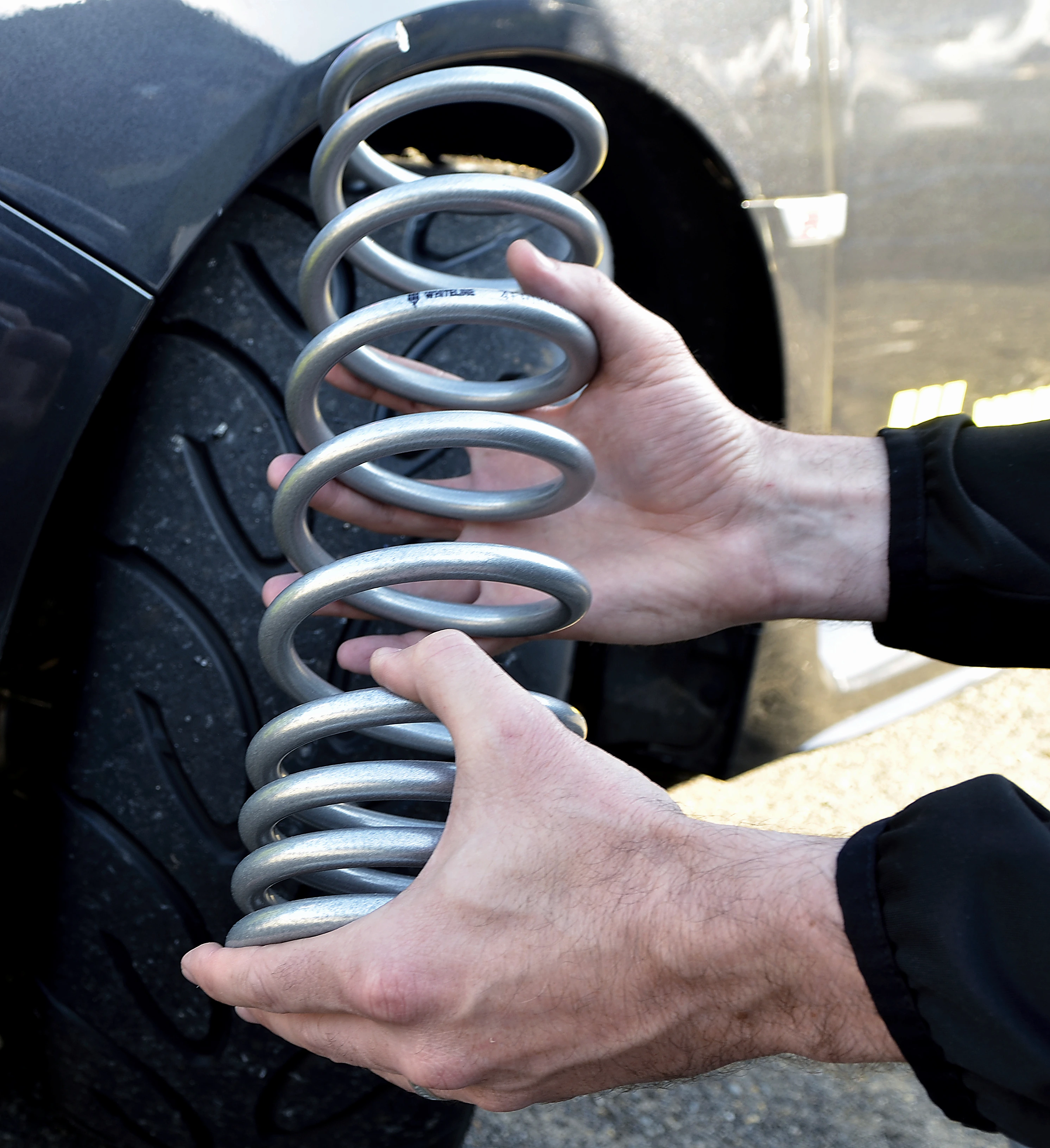
Lowering springs come with trade-offs, and being realistic about them helps avoid frustration. The most obvious downside is reduced ground clearance. In Australia, steep driveway transitions and speed humps are common, and a lower vehicle is more likely to scrape, particularly if it has a front lip, low exhaust, or aggressive wheel fitment.
Ride comfort can change as well. Performance springs are typically firmer than stock, which improves control but can make rough surfaces feel sharper. Coarse-chip roads, broken edges, and potholes can feel more pronounced. That firmness is not automatically a problem, but it can be a negative if comfort is the top priority.
Bottoming out is another concern. When ride height drops, available suspension travel reduces. If the drop is too aggressive for the platform, or if the car is driven hard on rough roads, the suspension may hit bump stops more often. That can make the ride feel harsh and can reduce traction on uneven surfaces.
Alignment is also important. Lowering changes suspension geometry, and without a proper wheel alignment the car may not track correctly and tyre wear can increase. Some platforms benefit from additional alignment correction after lowering to maintain even tyre contact and predictable handling.
Finally, lowering springs place more demand on the shocks. If the factory shocks are already worn, fitting stiffer springs can accelerate wear and lead to a bouncy or unsettled feel. That’s why shock condition is such an important part of the overall result.
Can I Put Lowering Springs on My Stock Shocks?
In many cases, lowering springs can be installed on factory shocks, especially when the vehicle is newer and the drop is modest. Whether it’s the best approach depends on the condition of the shocks and how the car is driven.
Factory shocks are tuned for factory spring rates and factory ride height. When performance springs are installed, those shocks must control a stiffer spring with reduced travel. If the shocks are healthy, the setup can still feel stable and enjoyable. If the shocks are tired, the spring upgrade can highlight that wear quickly, and the car may feel bouncy, floaty, or less settled over bumps.
For most street-driven setups, the best results come from keeping the drop sensible and ensuring the suspension system is in good condition. Many owners choose to refresh worn components at the same time as the spring upgrade, particularly if the vehicle has higher kilometres and the factory dampers are nearing the end of their useful life.
Lowering Springs vs Coilovers
Lowering springs vs coilovers is one of the most common suspension decisions. Both options can reduce ride height and improve handling, but they suit different goals.
Lowering springs are usually chosen when the priority is a cleaner stance and improved street handling with minimal complexity. They are typically more affordable, simpler to install, and provide a clear improvement in chassis control when matched correctly to the vehicle.
Coilovers are typically chosen when adjustability is the priority. Many coilovers offer ride height adjustment and, depending on the system, damping adjustment as well. That adjustability can be valuable for track use or for owners who want to fine-tune their setup beyond a fixed spring option. However, adjustability only delivers real benefits when the system is chosen well and set up correctly. A poorly selected or poorly adjusted setup can compromise ride comfort and real-world control, especially on rough surfaces.
For many Australian daily-driven vehicles, lowering springs provide a strong balance of improved stance, improved response, and practical usability.


Are Lowering Springs Legal in Australia?
Lowering springs can be legal in Australia, but requirements vary by state and territory. Compliance is typically based on roadworthiness standards and local transport regulations, and some modifications may require engineering certification depending on the extent of changes and local rules.
In general, legality is tied to whether the vehicle remains safe and roadworthy. Common considerations include minimum ride height, adequate suspension travel, tyre clearance without rubbing, and headlight height and aim. If the car is lowered too far, or if the suspension no longer operates correctly, it may fail inspection or attract attention during roadside checks.
A practical approach is to keep ride height changes sensible for street use, ensure components are installed correctly, and confirm the vehicle maintains clearance through steering and suspension movement.
Sizes of Whiteline Lowering Springs (Drop Heights + Spring Rates)
Ride height drop is one of the first things people ask about, but spring sizing is more than just how low the car sits. Spring rate plays a major role in how the vehicle feels once installed, and different cars require different rates to achieve the correct balance.
Whiteline lowering springs can lower a vehicle from 10mm to 40mm depending on the spring set and application. A modest drop often provides the best balance for Australian driving because it improves stance and stability while maintaining clearance for speed humps, driveways, and rough surfaces. A larger drop can create a stronger visual change, but it can also increase scraping risk and reduce usable suspension travel.
Not all spring sets lower the car evenly. Some Whiteline lowering spring products lower the front more than the rear, or the rear more than the front. This can be used to correct factory rake, improve handling balance, and maintain practical clearance where it matters most.
Spring rate is measured in kg/mm, which indicates how much force is required to compress the spring by 1mm. A higher number means a stiffer spring, while a lower number means a softer spring. Spring rate influences ride comfort, steering response, cornering stability, resistance to bottoming out, and how much the vehicle squats under acceleration or dives under braking.
Whiteline front lowering spring rates range from 2.6kg/mm to 6.4kg/mm depending on the application. Whiteline rear lowering spring rates range from 2.1kg/mm to 11.8kg/mm depending on the application. Those ranges exist because different vehicles have different weights and suspension designs, and rear suspension geometry can vary dramatically between makes and models.
Compression behaviour matters in the real world. The best spring setup supports the chassis through corners while still allowing the suspension to absorb bumps without crashing into bump stops. That balance is one of the reasons application-matched selection is important, and why the fitment information inside Whiteline Lowering Springs Compatible Makes & Models helps keep spring choice aligned with the correct vehicle and intended driving result.
Whiteline Performance Suspension Kits (All-in-One Handling Upgrades)
Some owners want a spring upgrade as a standalone change. Others want the overall handling package improved in one go. Whiteline Performance Suspension Kits are designed for that second group. These kits include lowering springs, but they are not purely lowering spring products. The advantage is that the vehicle’s handling balance can improve as a system, rather than changing one component and leaving the rest of the suspension untouched.
A complete kit approach can suit drivers who want a more cohesive outcome, particularly if the vehicle is already due for suspension attention or if the goal is a stronger handling transformation rather than a simple stance change.
Installation Guide (What to Expect)
Lowering springs are a safety-critical component, so the most important decision is choosing an installation method that suits your experience level and the complexity of your vehicle’s suspension design.
Most drivers install lowering springs in one of two ways. The first is DIY installation, which can suit experienced enthusiasts with the right tools, strong mechanical confidence, and the patience to follow comprehensive instructions carefully. The best DIY outcomes come from working methodically, avoiding shortcuts, and reaching out for support if anything is unclear.
The second option is installation through a specialised suspension workshop. This is the most common approach for daily-driven vehicles because it reduces risk and saves time, and a workshop that regularly installs performance suspension upgrades can ensure the springs are fitted correctly. It’s also a good option for vehicles with more complex suspension layouts or for owners who want peace of mind.
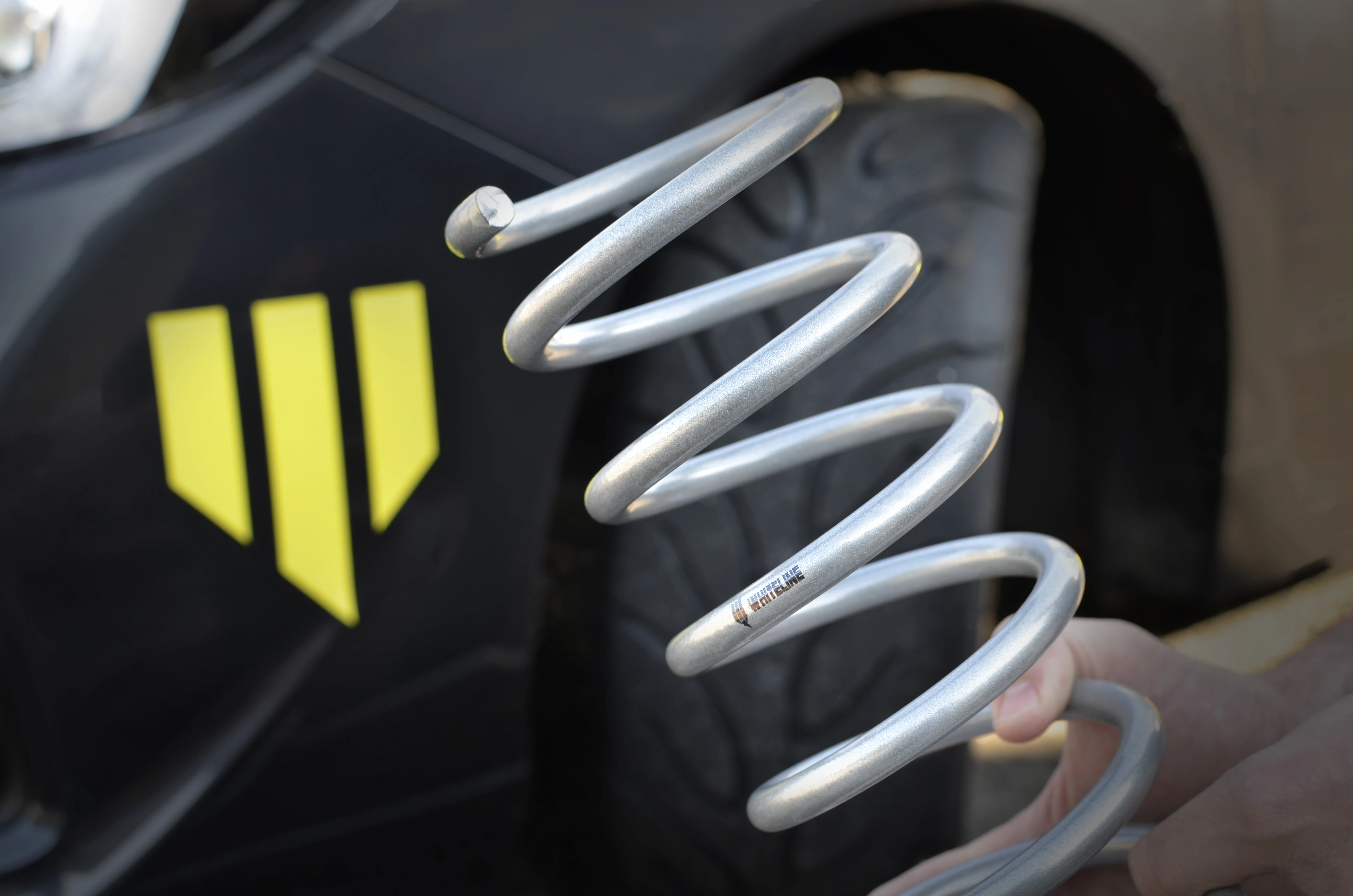
A wheel alignment after installation is essential. Lowering changes suspension geometry, and alignment ensures the vehicle tracks correctly, steers predictably, and avoids unnecessary tyre wear.
Choosing the Right Setup
Lowering springs are one of the most popular suspension upgrades because they change both the look and the feel of a vehicle without requiring a complete suspension overhaul. The best results come from choosing a spring set designed for the exact vehicle, keeping the ride height drop sensible for Australian road conditions, and ensuring the suspension system is in good working order.
Application-specific selection matters because spring rates and drop heights vary by make and model, and different suspension designs require different front-to-rear balance. That’s why the fitment listings in Whiteline Lowering Springs Compatible Makes & Models are such a practical part of getting the right outcome.
For drivers who want more than a spring-only upgrade, Whiteline Performance Suspension Kits include lowering springs as part of a complete handling package, which can suit vehicles where overall chassis control is the priority rather than ride height alone.
Whiteline Lowering Spring FAQs
Need more informations about lowering springs? Below we answer the most commonly asked questions


