
 AU
AU United Kingdom
 Europe
 United States
Whiteline Lowering Springs Vehicle Fitment
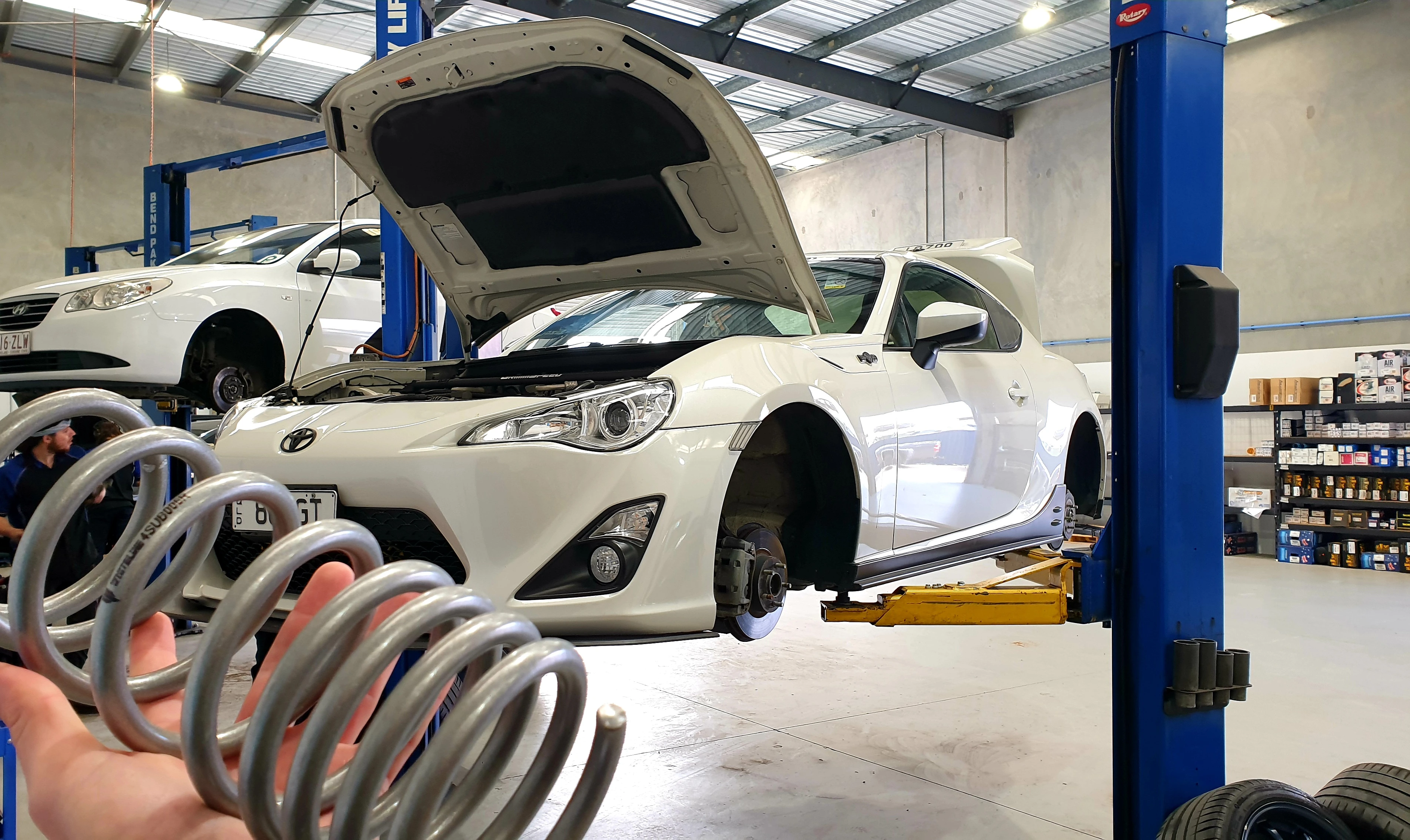
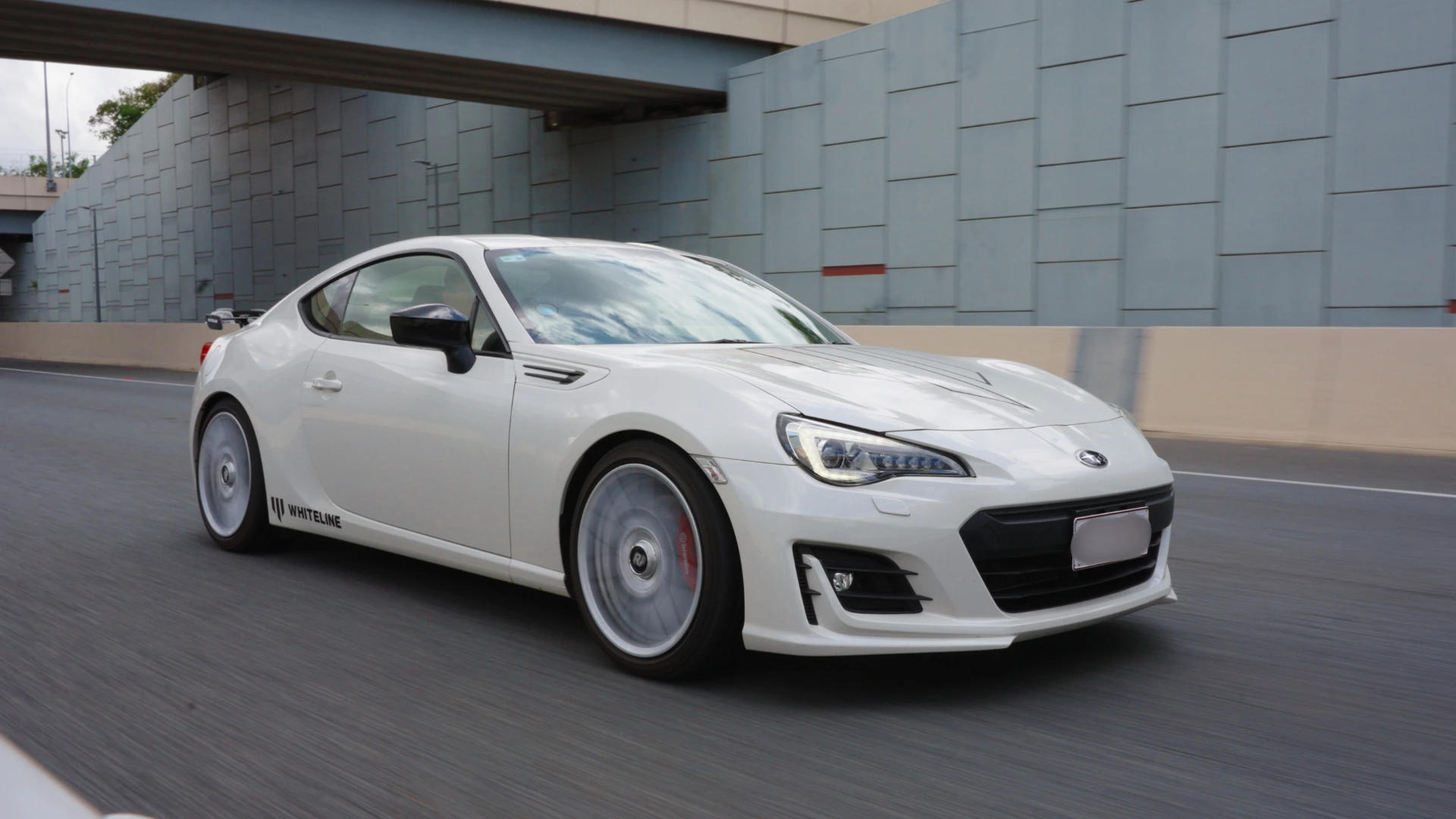
Whiteline lowering springs are designed as vehicle-specific upgrades, not universal parts. Suspension layouts, axle weights, factory ride heights, and handling balance can vary significantly even between vehicles that look similar on paper. The correct spring set is engineered to suit the platform it’s fitted to, delivering a lower stance and improved chassis control without compromising everyday drivability on Australian roads.
Drop height, spring rate, and front-to-rear lowering balance can vary depending on the chassis and suspension configuration, which is why fitment needs to match the exact vehicle. A full overview of what lowering springs do, what changes once installed, and how spring upgrades compare to other suspension options is covered within Whiteline Lowering Springs.
How Whiteline Lowering Springs Fitment Works
Choosing lowering springs is not just about selecting a make and model and assuming everything is the same. Fitment is based on the exact chassis, year range, and suspension configuration. In many cases, the same model name can have multiple spring sets depending on trim level, drivetrain, engine, or factory suspension package.
Whiteline lowering springs are engineered to provide a controlled ride height reduction while improving handling stability. Because spring design is application-specific, Whiteline spring sets are tuned with the correct front-to-rear balance in mind. That balance is important because the front and rear of a vehicle do different jobs. The front typically influences steering response and braking stability, while the rear influences traction, rotation, and how settled the vehicle feels through transitions.
For vehicles that have multiple factory suspension variants, correct selection matters even more. A spring set intended for one variant may not deliver the correct ride height or handling feel on another, even if the model badge is the same.
Drop Heights for Australian Driving
Whiteline lowering springs can lower a vehicle by around 10mm to 40mm depending on the application. That drop range is broad because vehicles start from different factory ride heights and have different suspension travel available.
On Australian roads, a mild drop often provides the best balance for daily use. It reduces wheel gap and improves stability while keeping clearance practical for speed humps, driveway transitions, and rough suburban streets. A more aggressive drop can look more dramatic, but it can reduce usable suspension travel and increase the risk of scraping on steep driveways or uneven surfaces.
It’s also normal for some spring sets to lower the front and rear by different amounts. This is not a mistake. Some vehicles sit nose-high from the factory, while others sit with a noticeable rake. A spring set may be designed to correct that, or to support a more balanced handling feel by adjusting how the vehicle sits front-to-rear.
Spring Rates and Why They Matter
Ride height is only one part of the story. Spring rate is what shapes how the vehicle behaves once the springs are installed.
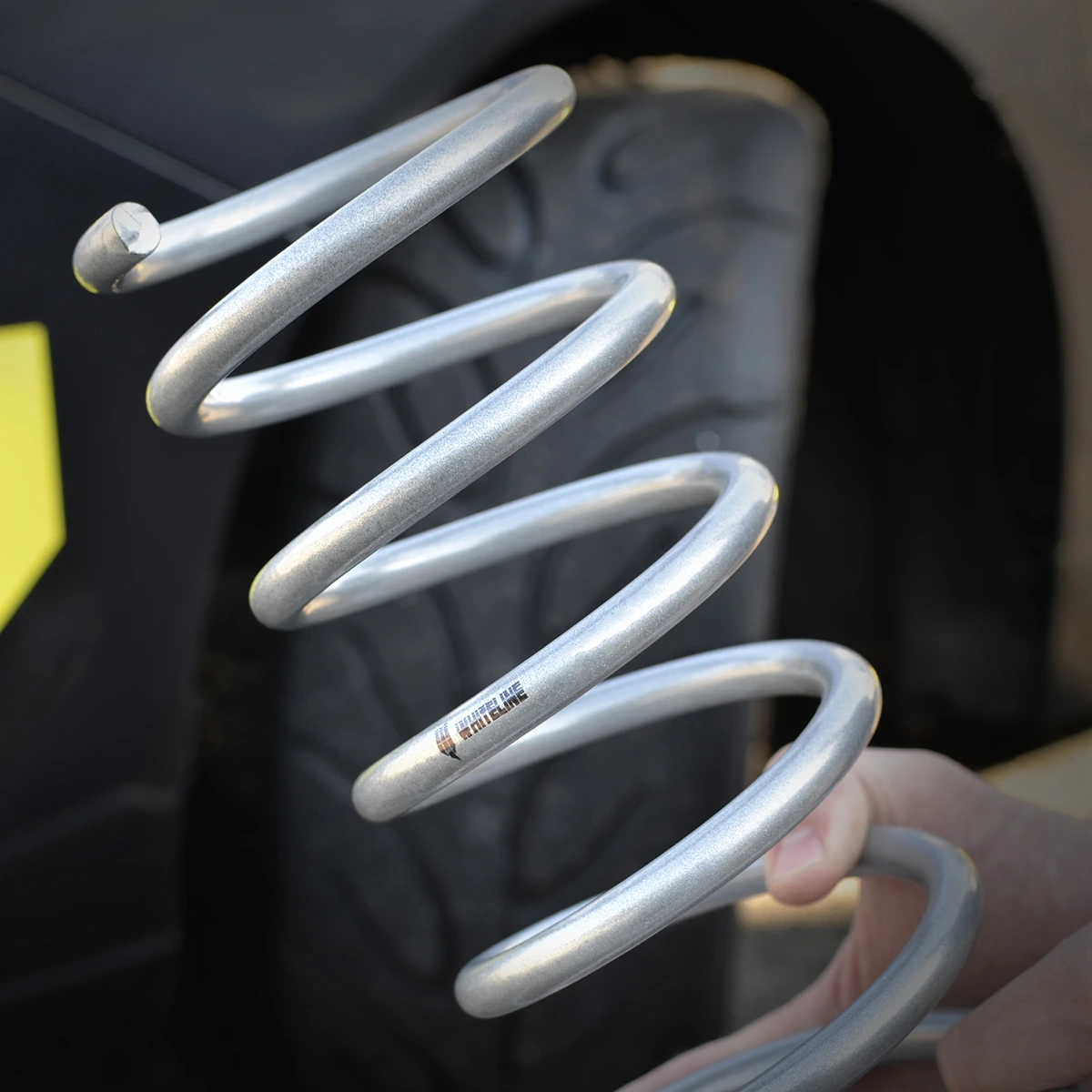
Spring rate is typically expressed in kg/mm, which indicates how much force is required to compress the spring by 1mm. A higher number means a stiffer spring. A lower number means a softer spring. Spring rate influences how the vehicle responds during braking, acceleration, and cornering, and it also affects ride comfort on coarse-chip surfaces and uneven roads.
Whiteline front lowering spring rates range from 2.6kg/mm to 6.4kg/mm depending on the application. Whiteline rear lowering spring rates range from 2.1kg/mm to 11.8kg/mm depending on the application. These ranges vary because different vehicles require different support and balance, and rear suspension layouts can differ dramatically across platforms.
A spring that is too soft for the vehicle can allow excessive movement and reduce the benefit of lowering. A spring that is too stiff can make the ride harsh and reduce compliance on rough surfaces. The goal is a spring rate that supports the chassis through corners while still allowing the suspension to absorb bumps without crashing into bump stops.
Why the Same Model Can Have Multiple Spring Sets
It’s common for one model name to have multiple spring options. This is usually caused by differences in factory configuration, including:
- different engine weights (especially across performance trims)
- different drivetrains (FWD vs RWD vs AWD)
- factory sport suspension packages
- different body styles (sedan vs hatch, for example)
- regional variations in suspension tuning
That’s why a make and model is only the starting point. Correct selection is about matching the spring set to the exact vehicle configuration.
Can Lowering Springs Be Installed on Stock Shocks?
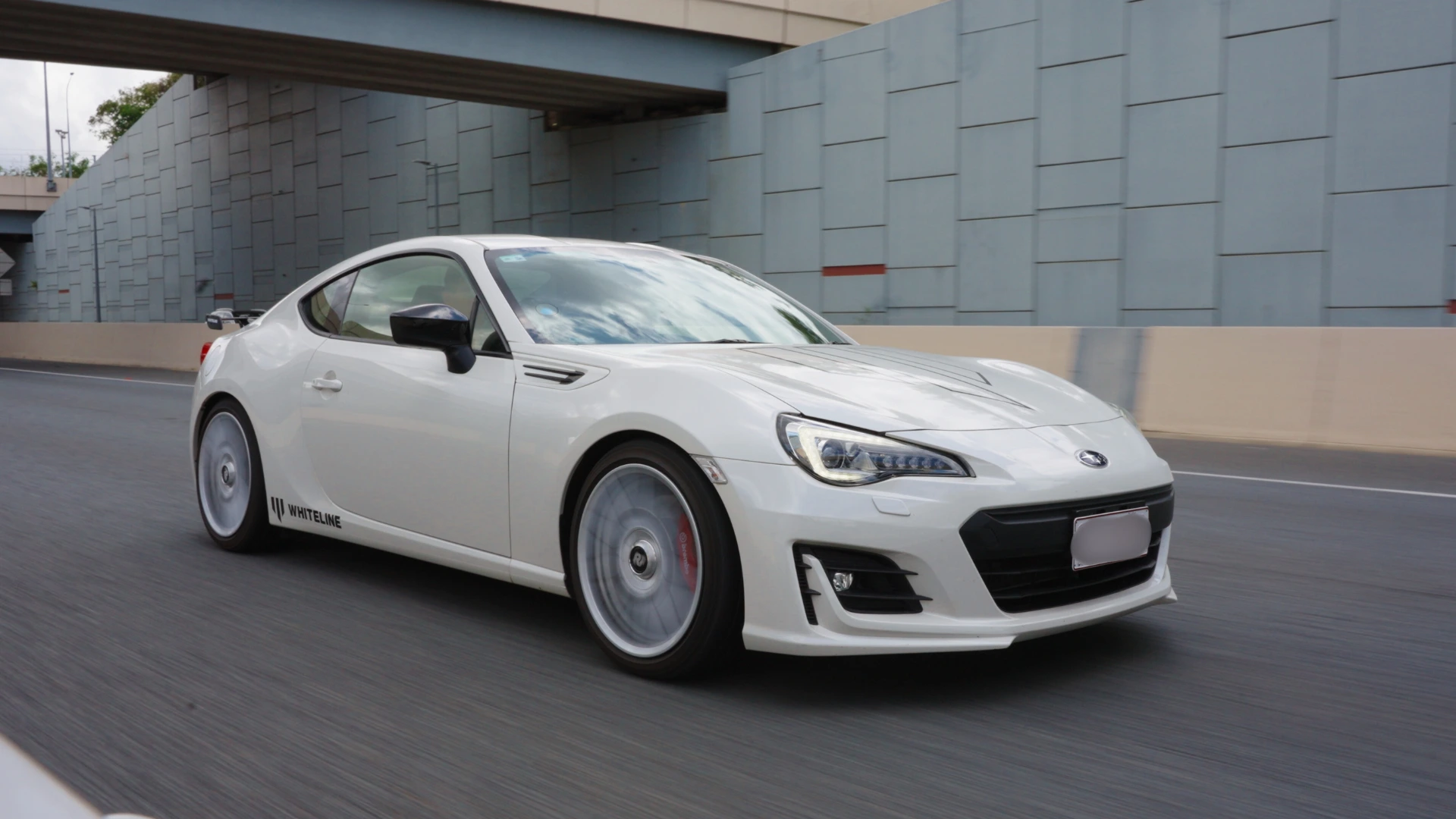
Many vehicles can run lowering springs with factory shocks, particularly when the shocks are in good condition and the ride height reduction is sensible. Factory shocks are tuned for factory spring rates and factory ride height, so a performance spring upgrade increases the demand placed on them.
On newer vehicles, this often works well and delivers a controlled, enjoyable setup. On higher-kilometre vehicles, worn shocks can struggle to control a stiffer spring and may feel bouncy or unsettled. For the most consistent results, the suspension system should be in good working order. If the vehicle already feels floaty, unstable, or overly soft, shock condition may need attention before or during the spring upgrade.
Wheel Alignment After Installation
Lowering changes suspension geometry. Even a mild drop can alter camber and toe, which affects steering feel, stability, and tyre wear. A wheel alignment after installation is essential. It ensures the vehicle tracks straight, steers predictably, and avoids unnecessary tyre wear.
Some vehicles may also benefit from additional alignment correction depending on how much the ride height changes and what the driver wants from the handling balance.
Where lowering springs sit in a full handling setup
Lowering springs are often chosen as a first suspension upgrade because they deliver a noticeable change in stance and chassis control without requiring a complete suspension overhaul. A deeper breakdown of how lowering affects handling feel, ride comfort, and daily usability is covered within Whiteline Lowering Springs.
Some drivers prefer improving the suspension as a complete system rather than changing one component in isolation. Whiteline Performance Suspension Kits include lowering springs as part of an all-in-one package, even though they are not purely lowering spring products, and they are typically chosen when overall balance and control are the priority.
Shop Whiteline Lowering Springs Now
Whiteline lowering springs are engineered to suit specific vehicles, with drop heights and spring rates tuned for the correct platform and suspension design. Once the right spring set is matched to your make and model, the result is a lower stance, improved stability, and more consistent chassis control.
Whiteline Lowering Springs is the best place to explore the full range and confirm the right spring set for your vehicle.
Whiteline Lowering Spring Fitment
Whiteline Lowering Spring Fitment FAQs
Need more information about Whiteline lowering spring fitment? Below we answer the most commonly asked questions.


