
 AU
 United Kingdom
 Europe
 United States

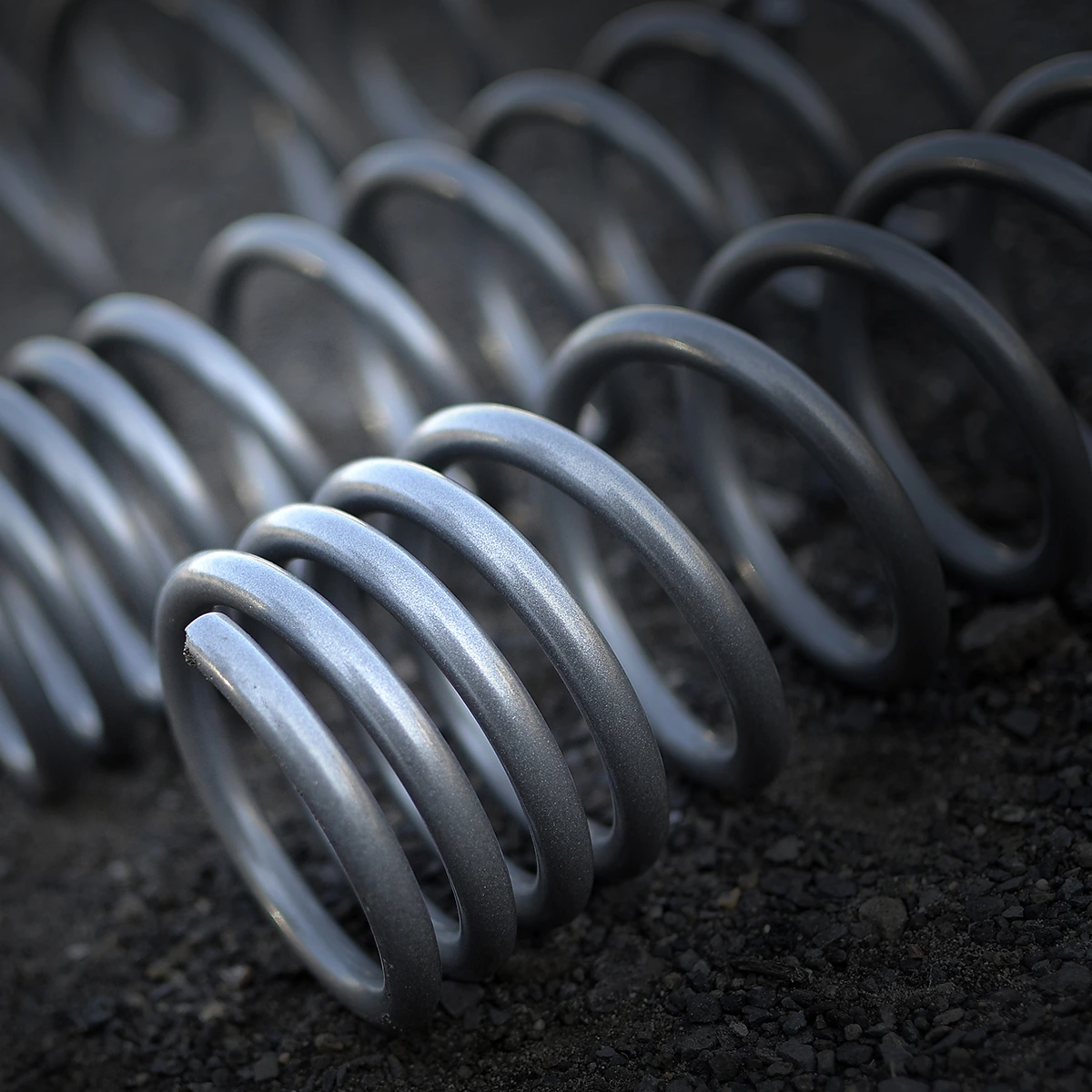

Yes, lowering springs improve handling when they’re engineered for your car. A lower centre of gravity and firmer spring rate reduce body roll, dive and squat, so the car turns in faster and stays flatter through corners. The biggest gains come when they’re paired with sway bars, polyurethane bushes and a proper wheel alignment.
Plenty of people fit lowering springs for the look, and there’s nothing wrong with that. A car sitting lower over its wheels looks more planted. But the right springs also change how the car drives, often more than owners expect. Here’s how lowering springs improve handling, where the limits are, and how to get the most from a set of lowering springs.
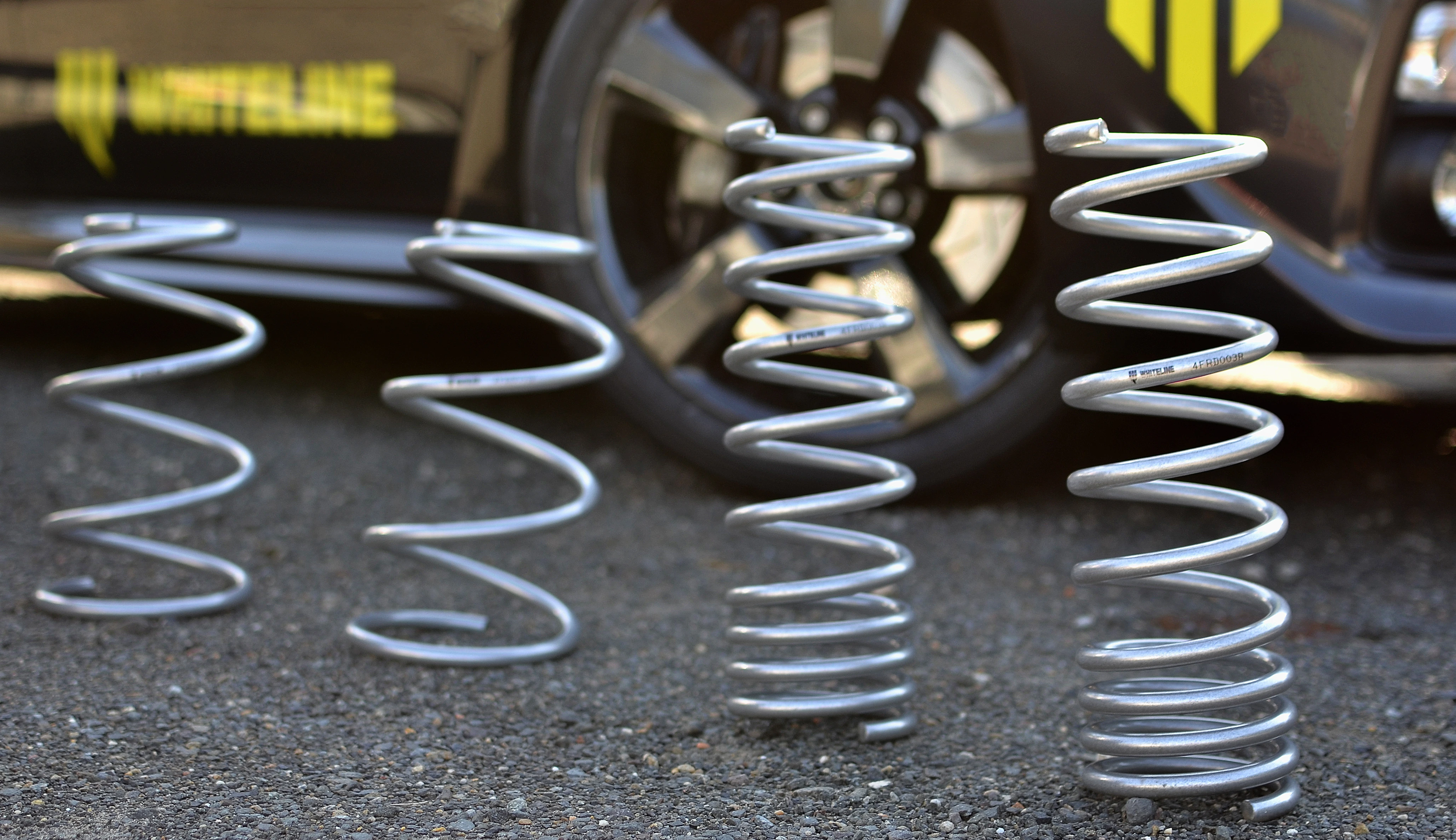
How do lowering springs improve handling?
A lower centre of gravity
When a car corners, brakes or accelerates, the weight of the body acts through its centre of gravity. The higher that point sits, the more leverage it has to shift load between the tyres. Lowering the car shortens that lever, so less weight transfers and the tyres stay more evenly loaded.
A firmer spring rate
Our lowering springs are firmer than factory, so they resist the body rolling in corners, diving under brakes and squatting under power. The car settles quicker after each input and feels more composed.
Faster steering response
With less body movement, the car reacts to steering inputs sooner. Turn-in feels crisper and quick changes of direction, like a run of S-bends, feel tighter and more connected.
What do lowering springs change in practice?
|
Driving situation |
Factory springs |
Matched lowering springs |
|
Turning into a corner |
Body leans, slight delay |
Flatter, quicker response |
|
Heavy braking |
Nose dives |
Less dive, more stable |
|
Accelerating out of a corner |
Rear squats, front lifts |
Less squat, steadier |
|
Quick direction changes |
Body rocks side to side |
Settles faster |
|
Freeway lane changes |
Some float |
More planted |
Where are the limits?
Lowering springs improve handling up to a point. Go too low and you’ll reduce suspension travel, which can leave the car on its bump stops over rough roads and cost grip. Large drops also change the suspension geometry, often dropping the roll centre and altering camber, which can make some cars feel worse rather than better.
That’s why we keep our drops modest and platform-specific. A sensible drop gives you the centre of gravity benefit while keeping the geometry in a good window.
How do you get the most handling from lowering springs?
Pair them with sway bars
Springs control ride height and pitch, but sway bars are the most efficient way to control roll and tune balance between the front and rear. Together they deliver far more than either alone.
Firm up the bushes
Rubber bushes deflect under the extra load, letting alignment move mid-corner. Our polyurethane bushes keep the geometry steady.
Get a proper wheel alignment
Lowering changes camber and toe, so a good alignment, ideally with a little extra front negative camber, lets the tyres make the most of the lower, flatter car.
Correct geometry where needed
On some lowered strut cars, camber bolts or roll centre correction help restore the geometry to where it should be.
Lowering springs as part of a system
The best results come from parts developed to work together. Our performance suspension kits combine lowering springs with adjustable sway bars, links and polyurethane bushes, matched for each platform so spring rates and bar stiffness complement each other.
How can you tell the handling has improved?
Drive a familiar road before and after fitting, ideally one with a mix of tight corners, fast sweepers and a few bumps. Notice how much steering you need through each corner, how quickly the car settles after a direction change and how stable it feels under braking. A well matched set of springs should need less mid-corner correction and feel calmer over crests. Tyre wear is another useful check, because a car that rolls less tends to wear its tyres more evenly across the tread once the alignment is set correctly.
FAQs
Looking for more information about lowering springs and handling? Below we answer the most commonly asked questions
Do lowering springs improve handling?
Do lowering springs reduce body roll?
Can lowering a car too much hurt handling?
Do lowering springs make a car faster on track?
Do lowering springs improve braking?
Do I need new shocks for better handling with lowering springs?
Unlock the handling your car should have with our lowering springs, engineered for each platform.


