
 AU
 United Kingdom
 Europe
 United States

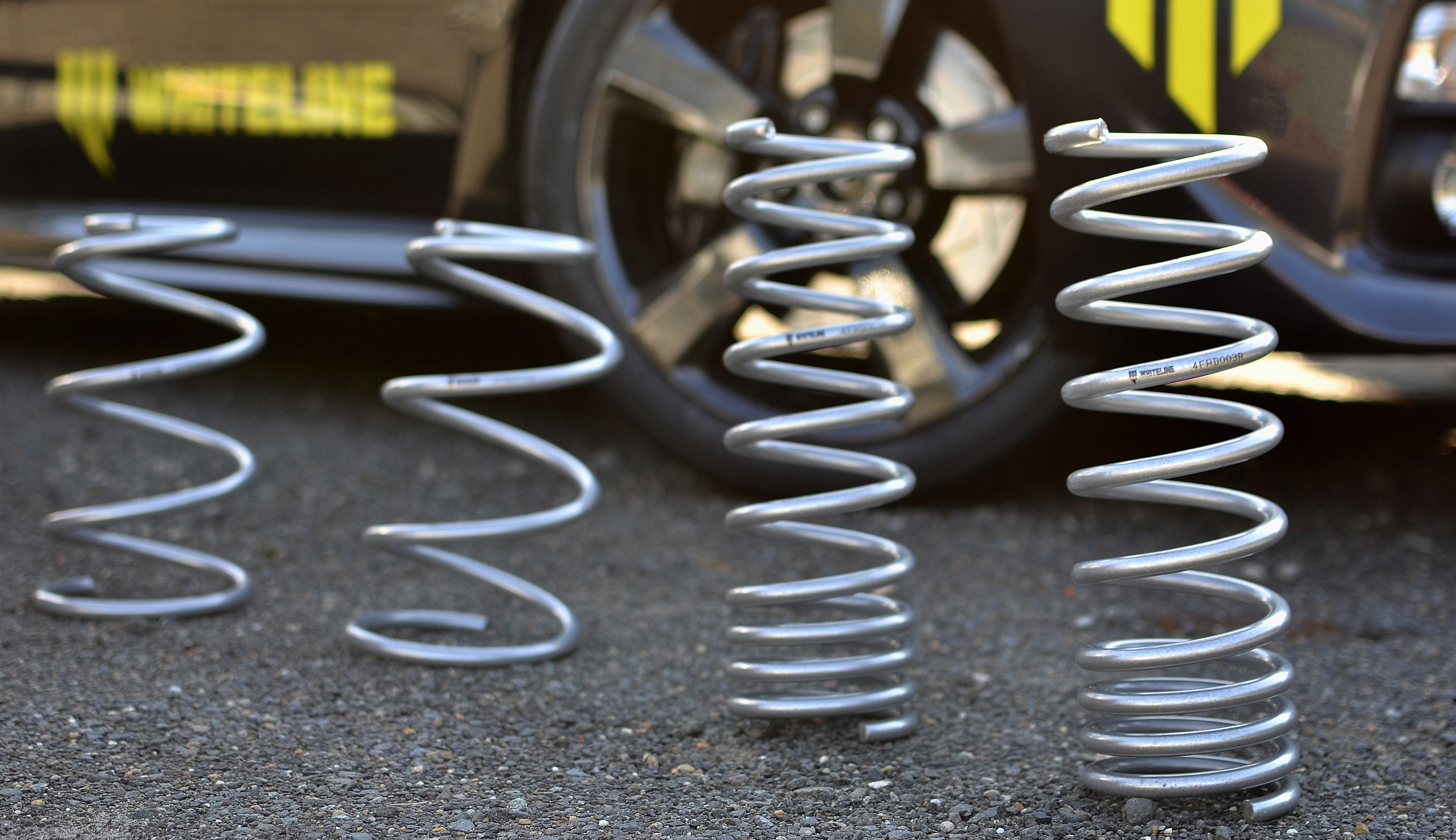

The cost to lower a car depends on the method, the springs or coilovers you choose, your car’s suspension design, workshop labour rates and the wheel alignment afterwards. Lowering springs are usually the most affordable engineered option. Budget for the parts, fitting, a wheel alignment and any worn shocks or mounts found during the job.
Lowering a car is one of the most popular modifications around, but the total cost is more than the price tag on the springs. Fitting, alignment and any worn parts all add up, and the method you choose changes the bill considerably. Here’s what drives the cost of lowering a car, so you can budget properly before you book a set of lowering springs in.
What are the main ways to lower a car?
Lowering springs
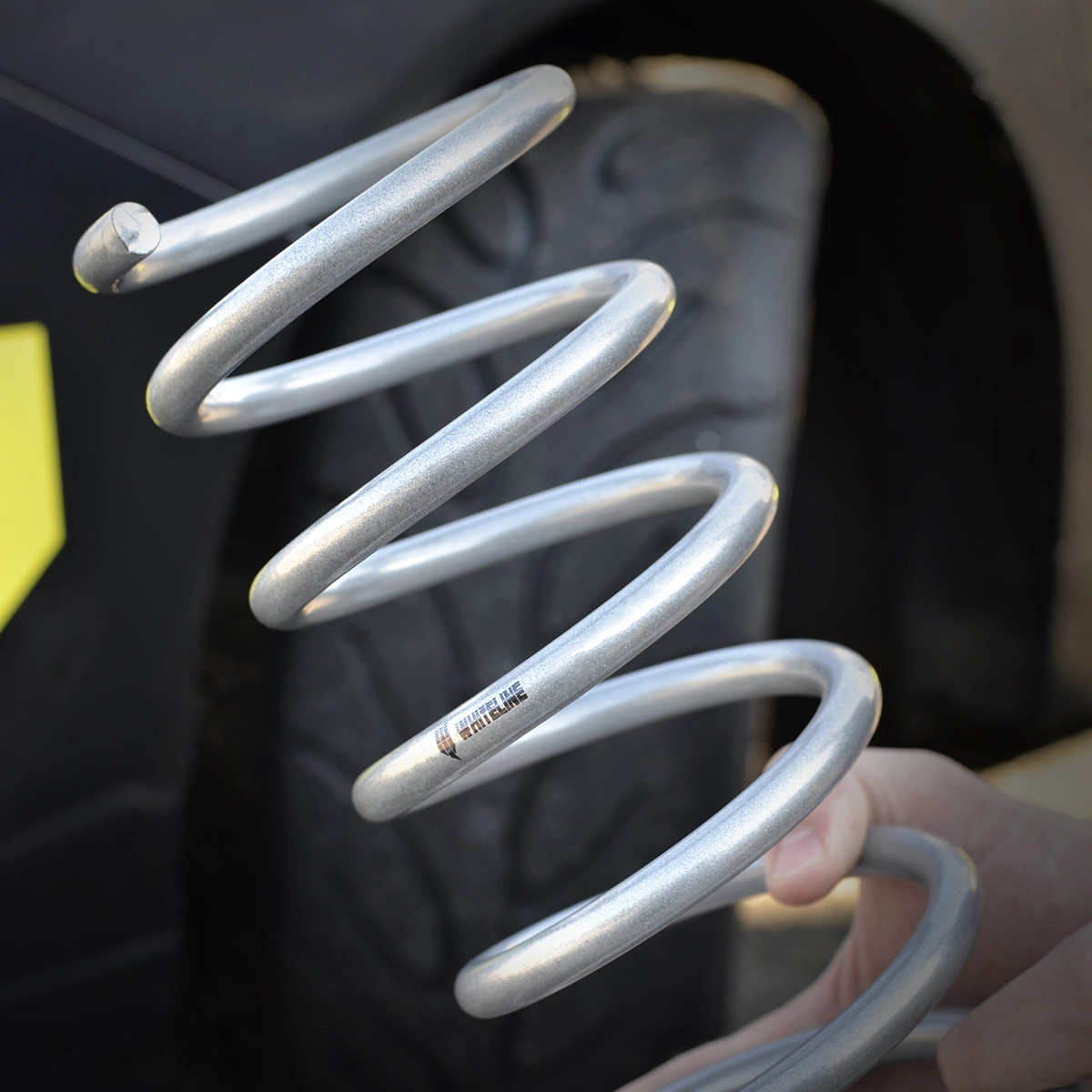
Lowering springs replace the factory springs and use your existing shocks. They’re the simplest engineered method and usually the most affordable. Our springs are designed with modest, platform-specific drops.
Coilovers
Coilovers replace the spring and damper with an adjustable unit. They cost more and take longer to set up, but offer adjustable ride height and often damping.
Air suspension
Air systems allow ride height to be changed on the fly. They’re the most expensive option and, in some states, need specific approval.
Cut springs
Cutting factory springs is cheap but unsafe and widely treated as unroadworthy, so we don’t recommend it.
What affects the cost of lowering a car?
Your car’s suspension design
Cars with MacPherson struts need the struts removed and the springs compressed at each corner, which takes more time. Cars with separate rear springs and shocks are often quicker at the rear.
Workshop labour rates
Rates vary between workshops and regions. Performance specialists may charge more per hour but often work faster on familiar platforms.
Condition of the existing parts
Worn shocks, strut mounts, bearings or bump stops are best replaced while the suspension is apart. It adds to the bill on the day but saves paying for labour twice.
The wheel alignment
Lowering changes camber and toe, so an alignment is essential. Some cars also need camber bolts or other alignment parts to reach the right settings.
Cost factors at a glance
|
Item |
Fixed or variable |
Notes |
|
Lowering springs |
Fixed by part |
Engineered for your model |
|
Fitting labour |
Variable |
Depends on suspension design and workshop |
|
Wheel alignment |
Usually fixed |
Essential after lowering |
|
Shocks or struts |
Optional |
Replace if worn |
|
Strut mounts and bearings |
Optional |
Replace if worn |
|
Alignment parts |
Optional |
Needed on some cars |
|
Engineering certification |
Only if beyond guideline limits |
Avoid with modest drops |
How to keep the cost down
Choose a modest drop that stays within your state’s guidelines, so you don’t need engineering certification. Bundle other suspension work at the same time, since labour overlaps and you’ll only pay for one alignment. Ask for an itemised quote so you can compare workshops and decide what to do now and later.
Many owners save by fitting a complete kit in one visit. Our performance suspension kits combine lowering springs with adjustable sway bars, links and polyurethane bushes, so you pay for one fitting job and one alignment instead of several.
Should you fit lowering springs yourself?
You can save on labour if you have the right tools, especially quality spring compressors, and follow the factory procedure carefully. A compressed spring stores a dangerous amount of energy, so if you’re not confident, use a workshop. You’ll still need a professional wheel alignment either way. Many Whiteline resellers can supply and fit springs for your car.
Hidden costs to watch for
FAQs
Looking for more information about the cost of lowering a car? Below we answer the most commonly asked questions
How much does it cost to lower a car?
Is it cheaper to lower a car with springs or coilovers?
Do I need an alignment after lowering my car?
Should I replace my shocks when lowering?
Will I need an engineering certificate?
Is cutting springs a cheaper way to lower a car?
Lower your car the smart way with our engineered lowering springs, or bundle the job with a matched kit.


