
 AU
 United Kingdom
 Europe
 United States

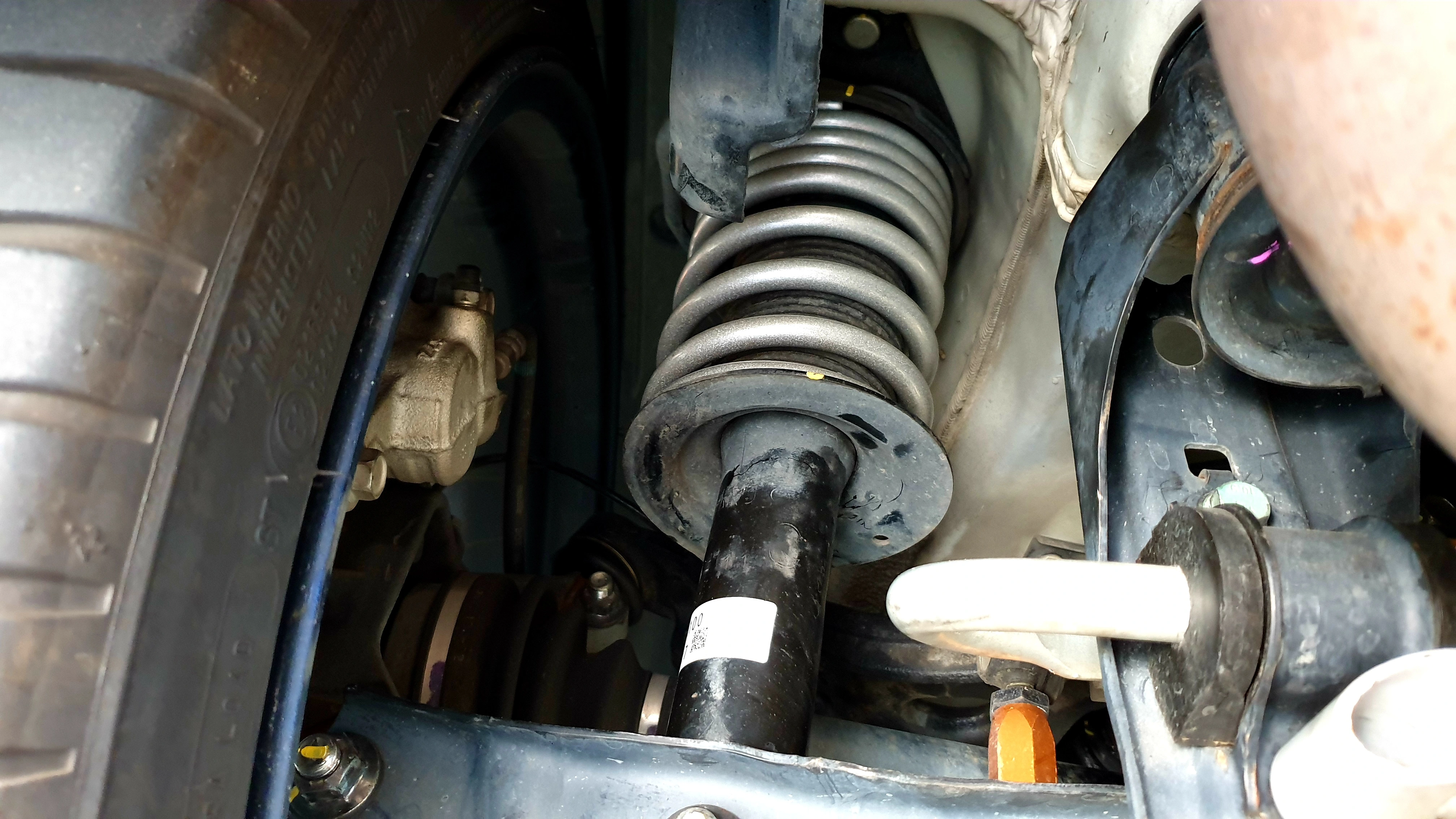

Lowering springs usually settle within the first few hundred kilometres, commonly somewhere around 300 to 800km of normal driving. The drop from settling is typically only a few millimetres. Get a wheel alignment straight after fitting, then have it rechecked once the springs have settled so camber and toe stay on target.
Just fitted your springs and the car sits a touch higher than the photos you’ve seen? There’s no need to panic, because new springs, isolators and mounts all need a little time to bed in, and the car will usually drop slightly over its first few drives. Here’s how settling works, how long it takes and what to do once your lowering springs have found their final height.
Why do lowering springs settle?
Two things happen when new springs go in. The springs take a very small permanent set the first few times they’re compressed under the car’s weight and on the road. At the same time, rubber isolators, bump stops and strut top mounts compress and seat into their final positions.
Together, these produce a small drop in ride height over the first stretch of driving. Once that’s done, quality springs hold their height for the long term. That’s different from sagging, which is a slow loss of height over years from spring fatigue.
How long does settling take?
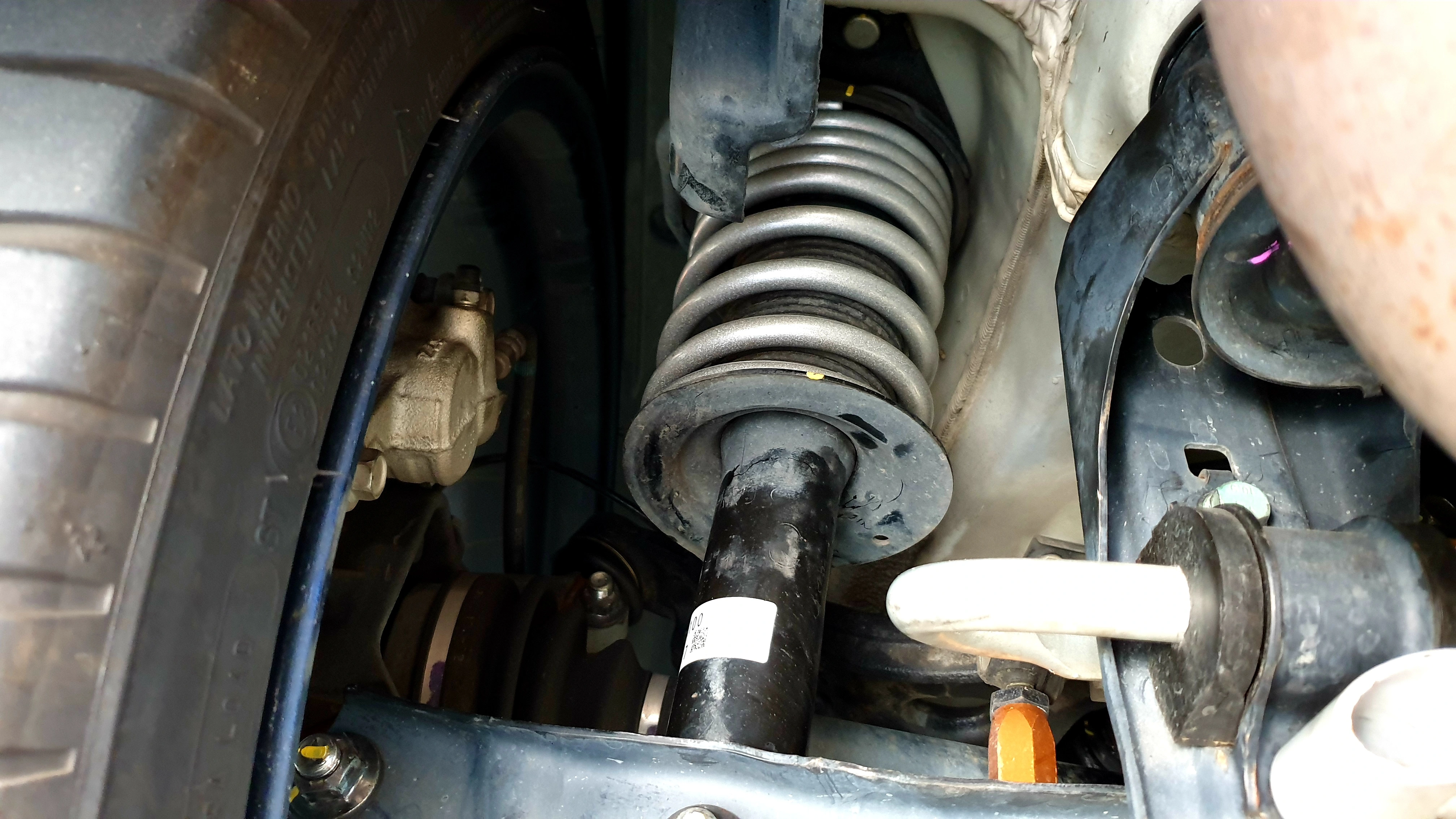
For most cars, the majority of settling happens within the first few hundred kilometres. A sensible window is roughly 300 to 800km of normal driving. A few long drives, rougher roads or carrying passengers and luggage tend to speed it up, because the springs see more compression cycles.
Some cars barely change at all, while others drop a few millimetres in the first week.
How much will the car drop?
Typically it’s only a few millimetres. If you see a much bigger change, or one corner sits noticeably lower than the other side, check that each spring is seated correctly in its seats and that the isolators and mounts were reassembled in the right order.
What to do after fitting lowering springs
|
When |
What to do |
Why |
|
Straight after fitting |
Wheel alignment |
Prevents uneven tyre wear and pulling |
|
First few drives |
Drive normally |
Lets springs and mounts bed in |
|
300 to 800km |
Measure ride height at each corner |
Confirms settling has finished |
|
After settling |
Recheck the alignment |
Height change can move camber and toe |
|
Ongoing |
Watch tyre wear |
Early warning of alignment drift |
Should you wait for the springs to settle before getting an alignment?
No, get the car aligned right after fitting so it tracks straight and doesn’t chew through tyres while the springs settle. Then have it rechecked once they’ve bedded in. Ask your alignment shop about a recheck when you book, as many offer one at a reduced cost.
How to measure ride height properly
Park on level ground with tyres at the placard pressure and a typical fuel load. Measure from the centre of the wheel hub to the lip of the guard at each corner. Record the numbers before fitting, straight after fitting and again after settling. That gives you a true picture of the drop, rather than relying on how the wheel gap looks.
If the car still sits well above the listed drop after settling, check that the part number matches your exact model and variant. Different engines and trim levels can use different springs.
Do Whiteline lowering springs settle?
Like all coil springs, ours settle slightly as they and the surrounding parts bed in. We manufacture them to fine tolerances for each platform, so the ride height you see after settling is the height we designed for. Our lowering springs carry a 3 year or 60,000km warranty, whichever comes first.
Can settling affect how the car handles?
The change is small, so most drivers won’t notice any difference in handling during the settling period. What it can affect is the alignment. As ride height drops a few millimetres, camber and toe can shift slightly, which is why a recheck after settling is worthwhile. On cars with adjustable sway bar links, settling can also add a small amount of preload to the sway bar, so it’s a good time to check that the link lengths are still correct with the car sitting on its wheels.
FAQs
Looking for more information about lowering springs settling? Below we answer the most commonly asked questions
How long do lowering springs take to settle?
How much do lowering springs settle?
Should I get an alignment before the springs settle?
Why does my car look higher than expected after fitting?
Is it normal for one side to sit lower?
Do lowering springs sag over time?
Choose springs engineered to hold their height from our lowering springs range.


