
 AU
 United Kingdom
 Europe
 United States

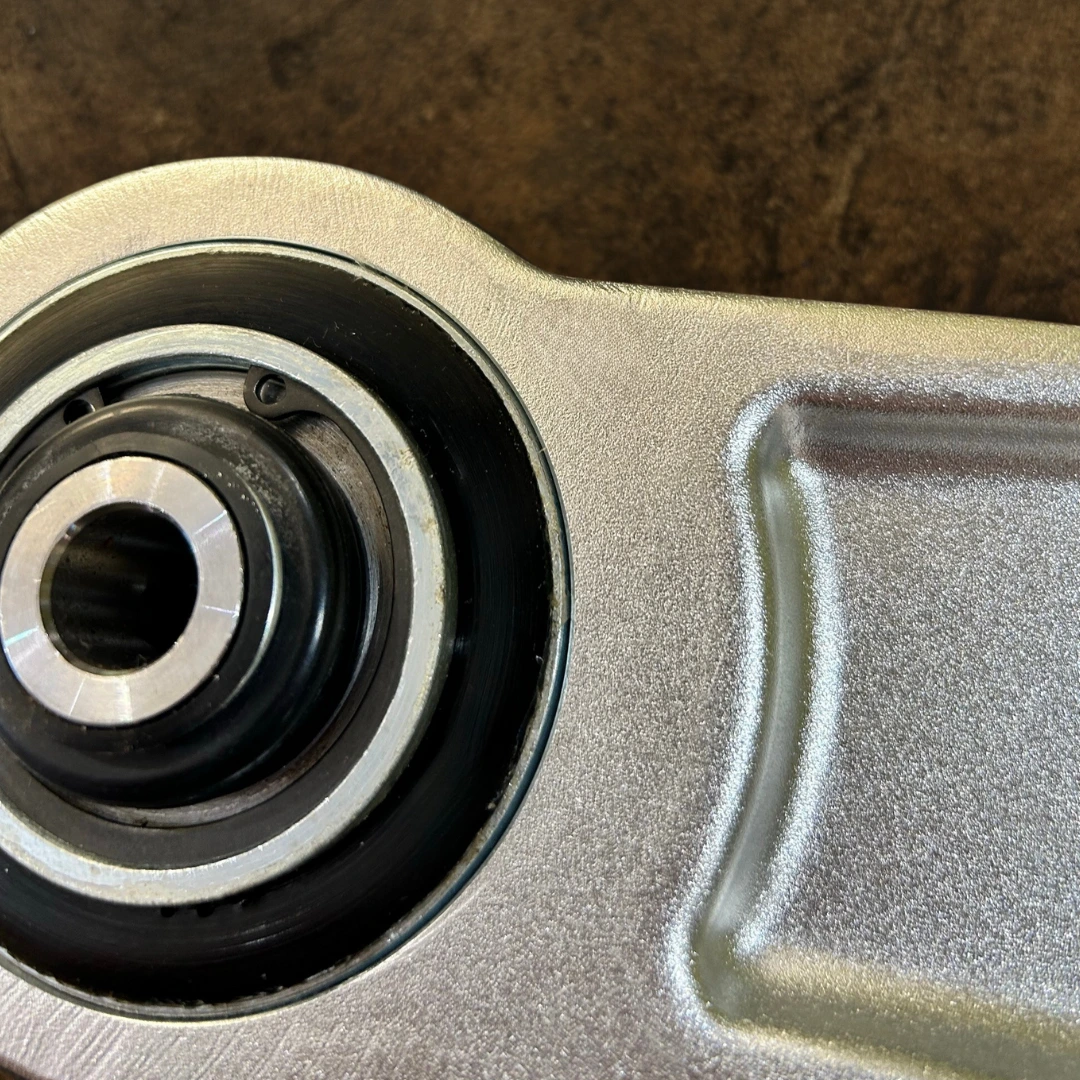

Front lower control arm bushes locate the bottom of each front wheel and control how it moves under braking, cornering and over bumps. When they wear, the wheel can shift, causing brake shudder, pulling, wandering, clunks and uneven tyre wear. Replacing them with polyurethane restores precise steering and braking stability, and some designs also add caster for better feel.
If there’s one bush that has the biggest effect on how a car steers and stops, it’s the front lower control arm bush. These bushes take braking, cornering and bump loads all at once, and they’re one of the most common wear points on Australian cars with plenty of kilometres on them. Here’s what they do, how to tell when they’re worn and how our polyurethane suspension bushes give you a stronger, longer lasting replacement.
What do front lower control arm bushes do?
The front lower control arm connects the bottom of the wheel hub to the car’s subframe or body. It usually pivots on two bushes, one at the front and one at the rear of the arm. Those bushes let the arm swing up and down with the suspension while locating it firmly front to back and side to side.
The rear bush in particular controls how far the wheel moves backwards under braking. On many cars, it’s deliberately soft from the factory to reduce harshness, which also makes it one of the first bushes to wear.
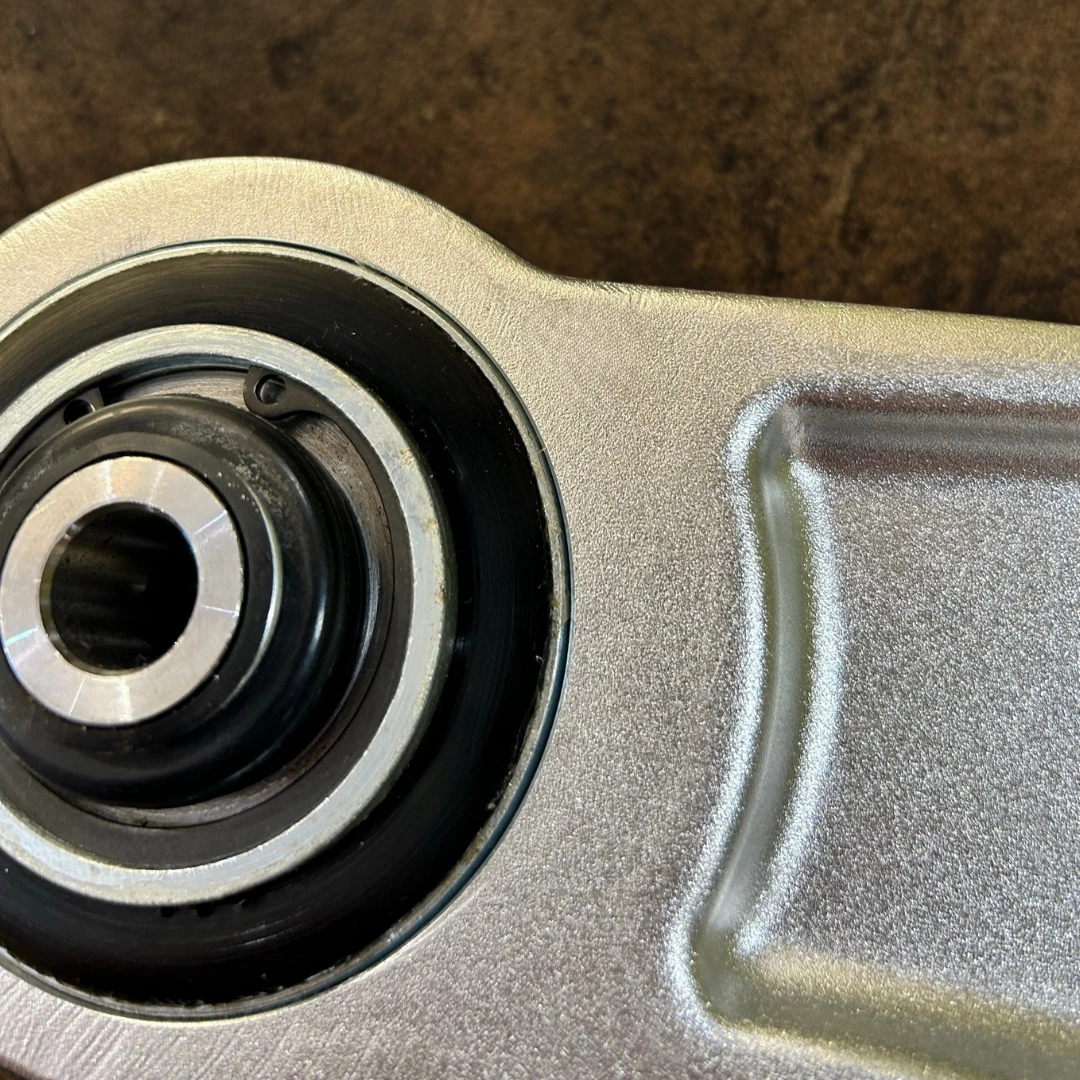
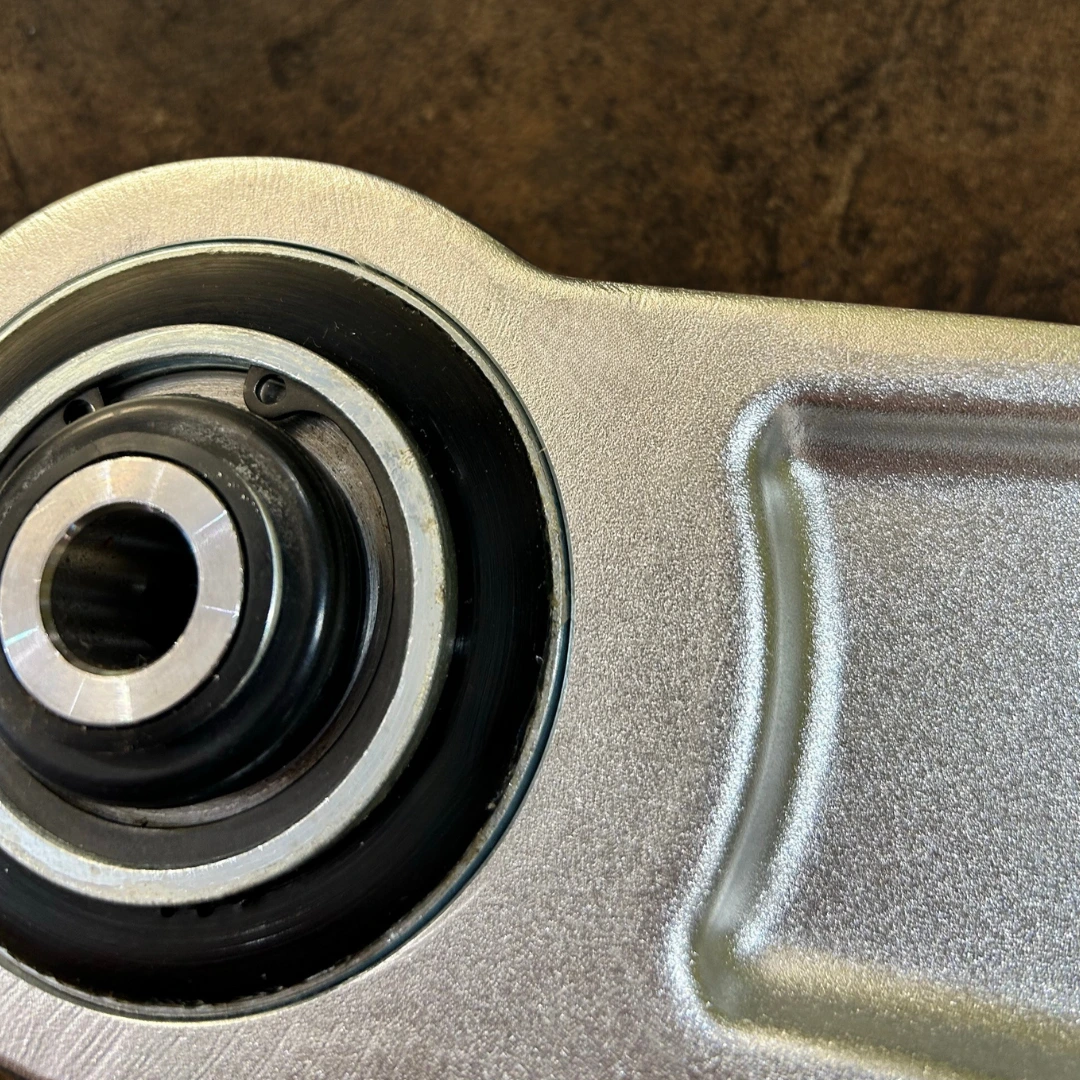
Signs your front lower control arm bushes are worn
Brake shudder or pulling
As the rear bush wears, the wheel can move back under braking. That often shows up as a shudder through the steering wheel or the car pulling to one side when you brake firmly.
Wandering and vague steering
Worn bushes let the wheel shift under load, so the car follows ruts, drifts on the highway or needs constant correction.
Clunking
A knock from the front when braking, accelerating or going over bumps can point to worn control arm bushes.
Uneven tyre wear
Movement in the arm upsets the alignment while driving, leading to wear on the inner or outer edges of the front tyres.
Visible damage
Cracked, torn or separated rubber, or rubber that’s bulged out of the arm, means replacement is overdue.
Rubber vs polyurethane front lower control arm bushes
|
Factor |
Factory rubber |
Whiteline polyurethane |
|
Wheel movement under braking |
Can be significant as they wear |
Minimal |
|
Steering precision |
Softer |
Sharper |
|
Braking stability |
Reduces with wear |
Improved |
|
Lifespan |
Common wear item |
Long lasting |
|
Caster correction options |
Not available |
Available for many vehicles |
|
Warranty |
Varies |
Lifetime |
What are caster correction bushes?
Caster is the backward tilt of the steering axis. More positive caster gives stronger self-centring, better straight-line stability and a more weighted, communicative steering feel, and it adds a little negative camber to the outside wheel in corners.
Many of our front lower control arm bushes for popular vehicles are available as caster correction or anti-lift designs. They reposition the arm slightly to increase caster, which is one of the most effective ways to improve steering feel and high-speed stability on cars that have limited factory adjustment.
When should you replace them?
Replace them as soon as you notice brake shudder, pulling, wandering or clunks traced to the arm, or if an inspection shows cracks or excess play. They’re also worth doing whenever you’re fitting other front suspension upgrades, because the front end will already be apart. Always replace both sides together and book a wheel alignment afterwards.
What’s involved in fitting them?
On most cars, the lower arm is removed, the old bushes are pressed out and the new ones are fitted with the correct grease. Some of our polyurethane designs allow easier installation than bonded rubber. Tighten pivot bolts to specification with the car at ride height where the instructions specify. A four-wheel alignment is essential afterwards, especially if you’ve fitted caster correction bushes.
FAQs
Looking for more information about front lower control arm bushes? Below we answer the most commonly asked questions
What do front lower control arm bushes do?
Can worn control arm bushes cause brake shudder?
Are polyurethane control arm bushes worth it?
What is a caster correction bush?
Do I need a wheel alignment after replacing control arm bushes?
Should I replace both sides at once?
Restore precise steering and stable braking with our polyurethane suspension bushes.


