
 AU
 United Kingdom
 Europe
 United States

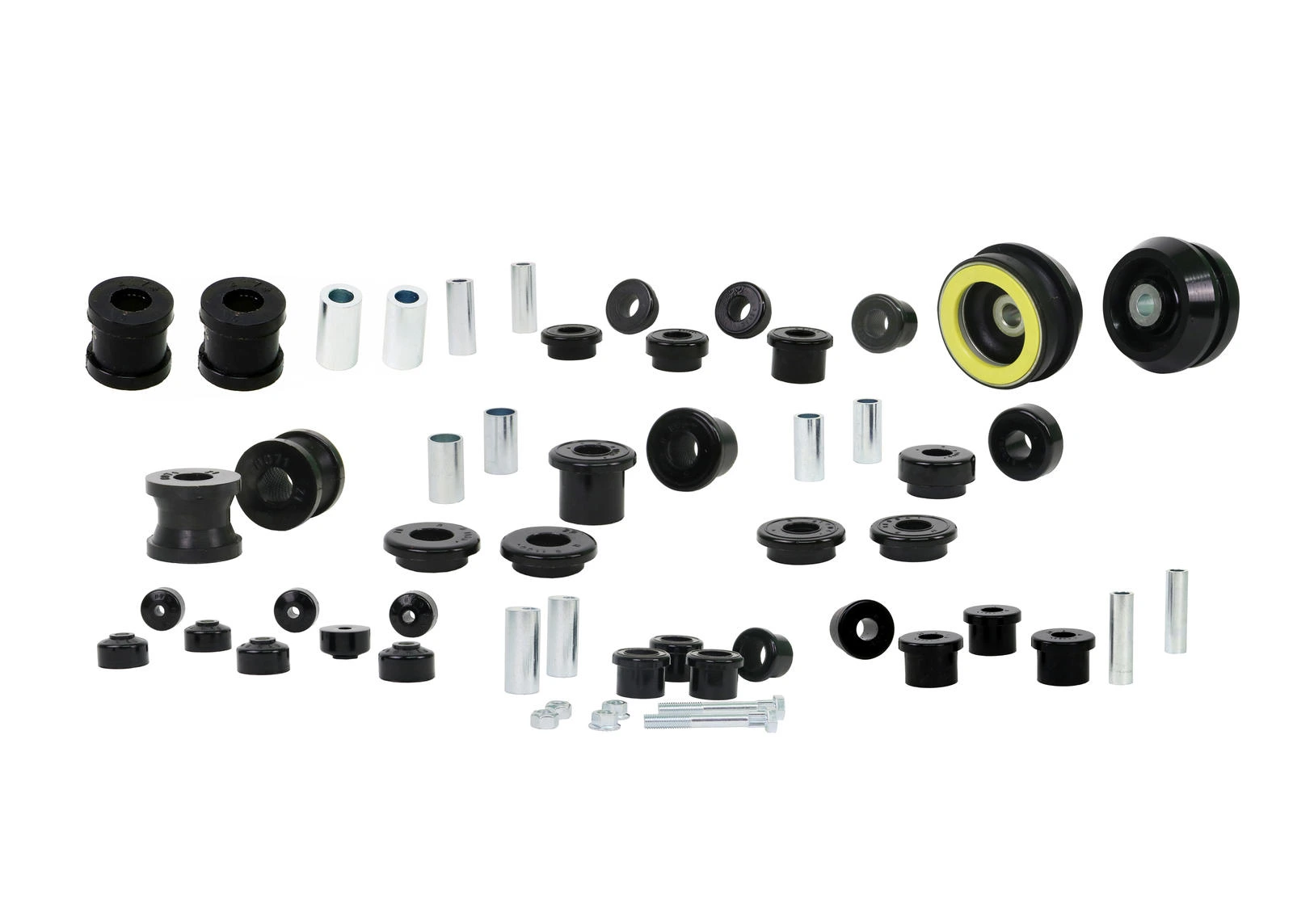

To measure a suspension bush, use a vernier caliper to record the inner diameter of the sleeve or bolt, the outer diameter of the housing it presses into, and the overall length. Note any flange diameter and thickness at the same time. Always measure the arm or housing rather than the worn bushing, then match those figures in our bushing size search.
Most of the time you can find the right bushes by searching for your make and model. Things get trickier with a classic restoration, an imported model, custom fabricated arms or a car that has been modified beyond its factory spec. In those cases, getting accurate dimensions is the difference between a bush that presses in perfectly and one that rattles loose or refuses to fit. We list our universal suspension bushes by size for exactly this reason, so here is how to measure a bushing properly before you order.
When do you need to measure a bush instead of searching by car?
Searching by vehicle is always the easiest option when your car is listed and still runs factory components. Measuring becomes the better approach when the factory part is no longer listed, when aftermarket or fabricated arms have replaced the originals, or when a previous owner has fitted parts from another model.
It also helps with less common positions such as shock absorber eyes, panhard rods, gear linkages and body mounts on older vehicles. In each case, the dimensions decide fitment, and the car’s badge becomes almost irrelevant.
What tools do you need to measure bushes?
A good vernier caliper is the essential tool, ideally digital and reading to at least a tenth of a millimetre. A steel ruler is fine for a rough check on length, but it is not accurate enough for diameters.
Have a rag and some degreaser on hand, because grime, rust and old rubber residue throw readings off. A notepad or your phone camera will help you record each dimension alongside a photo of the position, which makes it easy to match later.
Which dimensions should you measure?
Inner diameter (ID)
The inner diameter is the bore of the inner sleeve, which matches the bolt that passes through it. The most reliable way to confirm it is to measure the bolt itself, since a worn sleeve can be distorted. Measure across the smooth shank of the bolt rather than the threads.
Outer diameter (OD)
The outer diameter is the size of the housing or eye that the bush presses into. Check the inside of the arm eye once the old bush has been removed, taking two readings at right angles to check the eye is still round. Measuring the old rubber bush gives misleading results, because worn rubber swells, cracks and loses its shape.
Length
Record the overall length of the inner sleeve, then the width of the housing it sits in. The sleeve is usually a little longer than the housing, so it clamps against the mounting brackets without squashing the bush.
Flange diameter and thickness
Many bushes, often called top hat bushes, have a flange that sits against the outside of the housing. Record the flange diameter and thickness, and note whether the bush is a single piece or a split design fitted from both sides.
How do you measure sway bar bushes?
Sway bar mount bushes are sized by the diameter of the bar where the bush sits, not by the bush itself. Take the bar diameter carefully in that spot, because bars can be stepped or tapered along their length. Our sway bar bushes guide covers the rest of the selection process for that position.
Bush dimensions at a glance
|
Dimension |
Where to measure |
Why it matters |
|
Inner diameter (ID) |
Bolt shank or inner sleeve bore |
Sets the fit on the mounting bolt |
|
Outer diameter (OD) |
Inside of the arm eye or housing |
Sets the press fit in the housing |
|
Overall length |
Inner sleeve end to end |
Ensures correct clamping on the brackets |
|
Housing width |
Arm eye front to back |
Confirms the bush suits the housing |
|
Flange diameter |
Across the top hat flange |
Ensures the flange clears nearby parts |
|
Flange thickness |
Flange face to underside |
Affects spacing between the brackets |
|
Bar diameter |
Sway bar at the mount |
Sizes sway bar mount bushes |
What mistakes should you avoid when measuring?
The biggest mistake is measuring the old rubber, which can be several millimetres out once it has perished. Always measure the steel parts that stay on the car: the housing, the bolt and the bracket width.
Mixing up imperial and metric dimensions is another trap on older vehicles and imported models, so confirm the units before you compare figures. Finally, check both sides of the car rather than assuming they match, as accident repairs and previous modifications can leave them different.
How do you match your measurements to the right bush?
Once you have your figures, enter the inner diameter, outer diameter and length into our bushing size search. It returns the polyurethane bushes that match, so you can choose by fitment rather than guesswork. If your numbers sit between sizes, our team or an authorised Whiteline reseller can help confirm the best option.
Every Whiteline bush is made from polyurethane that resists oil, ozone and weathering, and comes with a lifetime warranty against manufacturing defects. When it is time to fit them, our guide on how to install polyurethane bushes takes you through the process.
FAQs
Looking for more information about measuring suspension bushes? Below we answer the most commonly asked questions
How do you measure a suspension bush?
Should I measure the old bush or the housing?
What tool is best for measuring bushings?
How do I find a bush by size?
Are bush sizes listed in metric or imperial?
How do I measure sway bar bushes?
What is a top hat bush?
Got your bush measurements written down and ready? Browse our suspension bushes range or match them in the size search.


