
 US
 Australia
 United Kingdom
 Europe

Bushing Grease for 0
IMPROVE GRIP, HANDLING & PERFORMANCE.
The most common way to ruin a new set of polyurethane bushings is to fit them with the grease that was already on the bench. Polyurethane bushing grease costs nothing to get right and it decides whether the bushings on your last years or start squeaking within a couple of weeks. Why Petroleum Grease and Polyurethane Do Not Mix This is chemistr... Read more
The most common way to ruin a new set of polyurethane bushings is to fit them with the grease that was already on the bench.
Polyurethane bushing grease costs nothing to get right and it decides whether the bushings on your last years or start squeaking within a couple of weeks.
Why Petroleum Grease and Polyurethane Do Not Mix
This is chemistry rather than preference, which is why the rule has no exceptions.
Polyurethane is a polymer, and petroleum based oils act as a solvent against it. Over time the oil migrates into the material rather than sitting on its surface.
The result is swelling and softening of the material. The bushing takes up fluid, grows slightly, and loses the dimensional stability that was the reason for fitting polyurethane in the first place.
A swollen bushing binds in its housing, which is the opposite of what grease is supposed to achieve. A softened one deflects under load exactly like the rubber it replaced.
That degradation happens slowly and very quietly indeed. Nothing fails on the day, and a year later the bushings are performing worse than they did when new with no obvious cause.
Lithium grease, chassis grease, bearing grease and most general purpose products are petroleum based, which covers nearly everything already in a workshop. None of them is poly bushing grease, whatever the label claims about universal use.
PTFE and Silicone Grease
Two chemistries suit polyurethane and they behave slightly differently.
Silicone grease is chemically inert against polyurethane and most elastomers. It stays put, handles a wide temperature range and does not attack the material it is protecting.
PTFE grease, sometimes sold as PTFE lubricant, carries polytetrafluoroethylene particles suspended in a carrier, and those particles give a very low friction surface between two faces sliding against each other.
Synthetic grease with PTFE combines the two ideas, using a synthetic base that is safe on polyurethane with PTFE providing the low friction layer.
For suspension bushings, either chemistry does the job. PTFE based grease has an edge where there is genuine sliding movement, such as a sway bar rotating inside a D bush, because that is exactly what the particles are for.
What matters most is what the product is not, which is petroleum based. Check the base chemistry rather than the brand name.
Where the Grease Actually Goes
This is the part that gets done wrong even by people who bought the right product.
The instinct is to grease the bore, where the bolt or the bar passes through. On most suspension bushings that surface barely moves, because the bushing grips the pin and the movement happens elsewhere.
The outer face is where the sliding happens. That is the surface between the bushing and its housing, or between the bushing and the washer clamping it.
A bushing greased only in the bore will squeak, because the noise is coming from a surface that never saw any lubricant.
Grease the outer surface, the bore, and any face a washer or bracket clamps against. On a sway bar D bush, that means sway bar bushing grease on the inside where the bar rotates and on the outside where the bracket clamps it.
Spread it thinly rather than packing it in. A thin even film does the job, and excess simply squeezes out and collects road grit.
How Much and How Often
Quantity matters less than coverage, but there is a sensible limit.
Enough to leave a visible film on every contact surface is right. Enough to see it squeezing out as the bolt is torqued is too much.
Excess grease attracts dirt, and grit suspended in grease is an abrasive rather than a lubricant.
Re greasing intervals depend entirely on the application. Sealed positions are a fit and forget job, while anything with a grease fitting is on the service schedule.
Water crossings, mud and salt all wash grease out faster than road use, so a vehicle doing that work needs attention more often than the interval suggests.
A squeak returning after a year usually means the grease has washed out rather than the bushing having failed, which is worth knowing before condemning the part.
Storing and Handling Grease
A tube of the right product is only useful if it is still usable when you need it.
Keep the cap on and the nozzle clean. Grit entering a tube ends up in a bushing, and an abrasive in a lubricant is worse than no lubricant.
Store it somewhere with a reasonably stable temperature. Extreme heat can separate the oil from the thickener in some products, leaving a tube that no longer behaves as intended.
Check for separation before using an old tube. Oil pooling at the top with a stiff residue beneath means the product has broken down.
Label it if it is going into a general workshop. A tube of silicone grease that gets mistaken for lithium costs somebody a set of bushings, and the two look identical in a drawer.
Buy a size that suits the work rather than the price per gram. Grease that sits unused for five years is not a saving.
Applying It Without Making a Mess
A few habits keep the job clean and the result right.
Apply with a gloved finger or a small brush rather than straight from the tube, which gives control over coverage and avoids laying down far more than needed.
Do it at the bench before assembly where possible, since greasing a bushing already in a housing means working blind.
Wipe excess from around the joint once everything is torqued. Grease left on the outside of a bracket collects grit and does nothing useful.
Keep it well away from brake components entirely. Anything that migrates onto a rotor or a pad is a safety problem rather than an inconvenience.
Have a rag and some brake cleaner to hand for the surfaces that need to stay clean, and apply the grease after those have been dealt with rather than before.
Greasable Bushings and Grease Fittings
Where a bushing carries a zerk fitting, the maintenance is the point of the design.
A grease fitting lets fresh grease be pushed through to the bearing surface, displacing water and contamination that would otherwise grind away at it.
That extends service life considerably on components living in road spray, which is why greasable shackles, sway bar brackets and pins exist.
The catch here is a familiar one by now. A fitting that has never seen a grease gun offers nothing over a sealed bushing, and sometimes less, since the grease passage can admit water if the fitting fails.
Over greasing is the other risk to manage. Forcing too much in can split a boot or push a bushing out of its housing, so grease until resistance is felt rather than until something moves.
Add greasable components to the service schedule at the point of fitting rather than intending to remember.
Bronze and Metal Bushings
Not everything in a suspension is polyurethane, and the rules change.
Bronze bushings run on a greased pin and they are designed around conventional grease rather than being harmed by it. Heavy commercial and trailer applications use them for exactly that reason.
Bronze bushing grease is typically a lithium or calcium based product with extreme pressure additives, since the load between a pin and a bronze sleeve is high and metal to metal.
Using a silicone grease there is the opposite mistake to using petroleum on polyurethane. It will not damage anything and it will not carry the load the joint generates.
Match the lubricant to the material, which means reading what the bushing is made from before reaching for anything.
Signs the Wrong Grease Was Used
The symptoms arrive months after the mistake, which is why the cause is rarely identified.
Bushings that have swollen and bind in their housings, making the suspension feel stiff or restricting its travel.
Material that has gone soft and tacky to the touch rather than staying firm.
A squeak that appeared and then worsened, as the degraded surface roughens.
Bushings that have gone out of shape, with the bore no longer round or the outer face distorted.
Replacement is the only fix at that point, since the material itself has changed rather than simply being dirty.
Fit the new set with the correct grease and the problem does not return.
Find Bushing Grease for Your
Find grease and other fit-anything essentials in Whiteline's universal auto parts lineup. Every polyurethane bushing install needs it.
Browse the bushing grease for your available alongside the full range of suspension bushings and hardware. Keep some spare rather than buying only what one job needs, since greasable components want topping up and the next set of bushings will want it too.
1 item
-
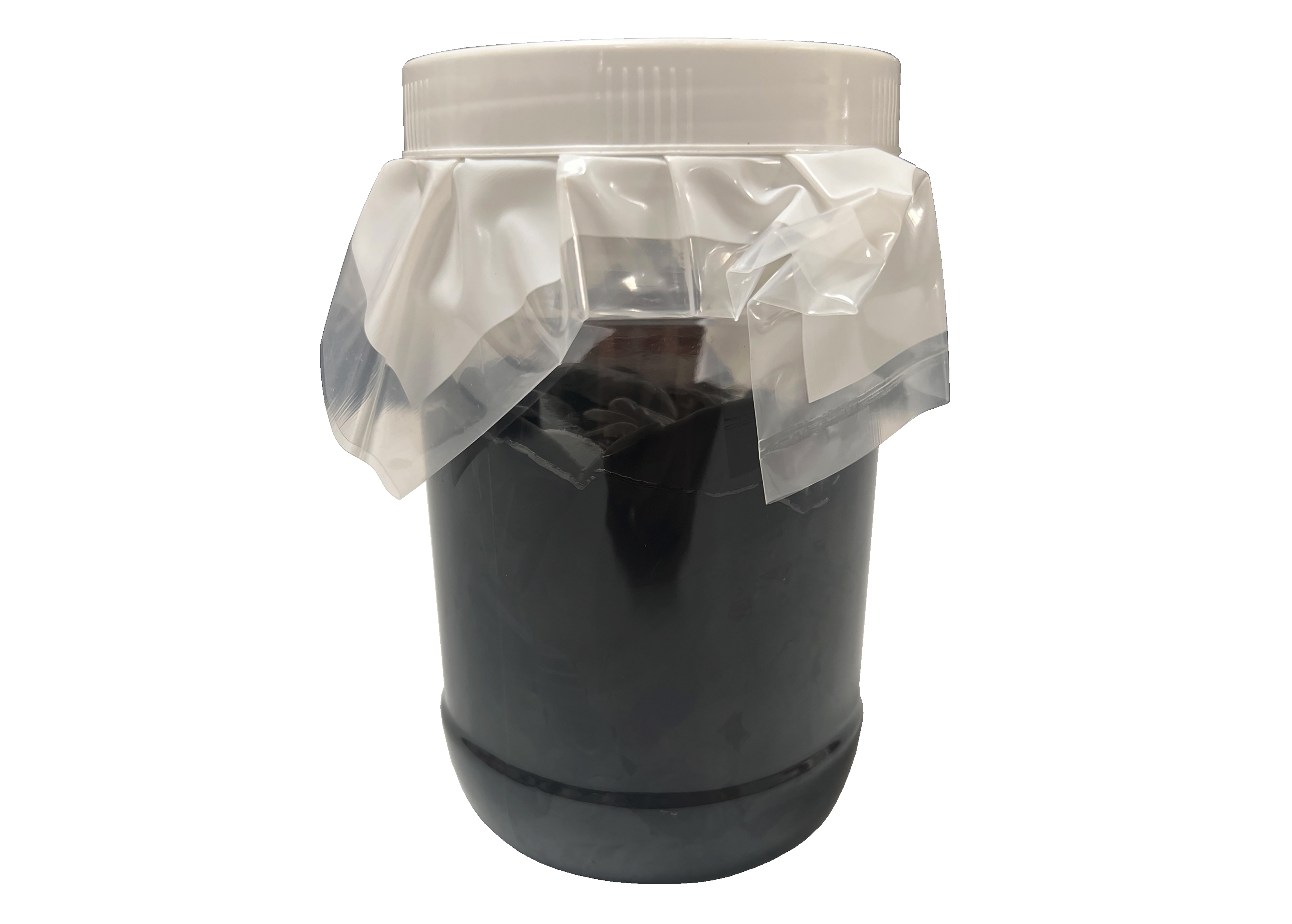
Bushing Grease - 8Oz
✅ Fits 0 In StockShips within 24hrs.Ships within 24hrs.SKU: W93501Bushing Grease - 8Oz
✅ Fits 0In StockShips within 24hrs.Ships within 24hrs.Qty Required 1Kit Contents 1 Tub Grease$14.29
Your vehicle
Matching vehicles
No match — try selecting it below.
Refine your search
Clear all- Performance Suspension Kits 22
- Lowering Springs 36
- Sway Bar & Sway Bar Kits 462
- Sway Bar Bracket 7
- Sway Bar Lateral Lock 10
- Sway Bar Support Brace 3
- Sway Bar Link 104
- Leveling Kits 2
- Lift Kits 18
- Diff Drop Kit 2
- Strut Brace 23
- Bushings 1050
- Alignment Pins and Bushings 18
- Anti Roll Bar Mount 1
- Axle Bushings 5
- Body Mount Bushings 45
- C-Bushings 2
- Coil Spring Insulators 3
- Coil Spring Spacers 20
- Control Arm Bushings 386
- Differential Bushings 50
- Door Jamb Bushing 1
- Lateral Arm Bushings 6
- Leaf Spring Bushings 15
- Leaf Spring Pads 1
- Leaf Spring Shackle Bushing 31
- Master Bushing Kits 39
- Radiator Bushings 2
- Radius Arm Bushings 14
- Shock Bushings 28
- Steering Bushings 41
- Steering Column Bushing 1
- Strut Mount Bushing 4
- Strut Rod Bushing 6
- Subframe Bushing 29
- Sway Bar Bushings 213
- Sway Bar Link Bushings 25
- Toe Link Bushing 1
- Torsion Bar Bushing 1
- Track Bar Bushings 12
- Trailing Arm Bushing 48
- Transfer Case Bushings 1
- Watts Link Bushing Kit 1
- Control Arms 160
- Ball Joint 32
- Control Arm Brace 1
- Control Arm Kit 125
- Control Arm Assembly with Ball Joint 2
- Control Arm Kit - Lower 56
- Control Arm Kit - Upper 47
- Control Arm Relocation Brackets 1
- Radius Arm 1
- Alignment Parts 31
- Camber Bolts 8
- Caster Camber Plates 23
- Transmission Parts 22
- Shifter Bushing 3
- Transmission Mount 19
- Strut Mount 3
- Strut Mount 3
- Tie Rods 9
- Roll Center Kits 8
- Tie Rod Ends 1
- Track Bar 8
- Support Brace 1
- Engine Bushings 33
- Engine Mount Bushings 33
- Car Accessories 1
- Headlight Sensor Bracket 1
- Universal Auto Parts 49
- Bushing Grease 1
- Dust Covers 3
- Spare Tire Carrier Mount 1
- Strut Mount 1
- Universal Bump Stops 19
- Valve Stem Caps 1
- Nuts, Bolts & Screws 5
- Control Arm Bolt Kit 3
- Control Arm Washer 1
- Sway Bar Link Washer 1
- Merchandise 11
- Beanie 1
- Decals 5
- Gloves 1
- Key Chain 1
- T-Shirts 3
- Workshop Tools 2
- Bushing Press Kit 1
- Wheel Alignment Tool 1
No categories match.
Can’t find what you’re looking for?
Our team can help you find the right part — or tell us what was missing so we can improve the site.
Call Us +1 909-476-2860 Give Feedback (opens in a new tab)


